Precision Medical CNC Grinding & ISO 13485 Services
What is Medical Grade CNC Grinding?
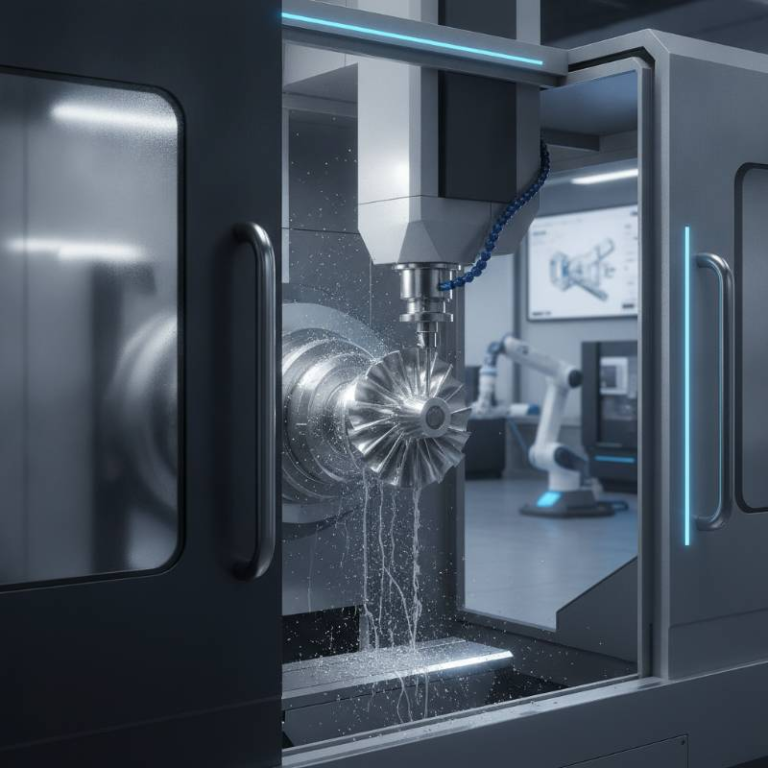
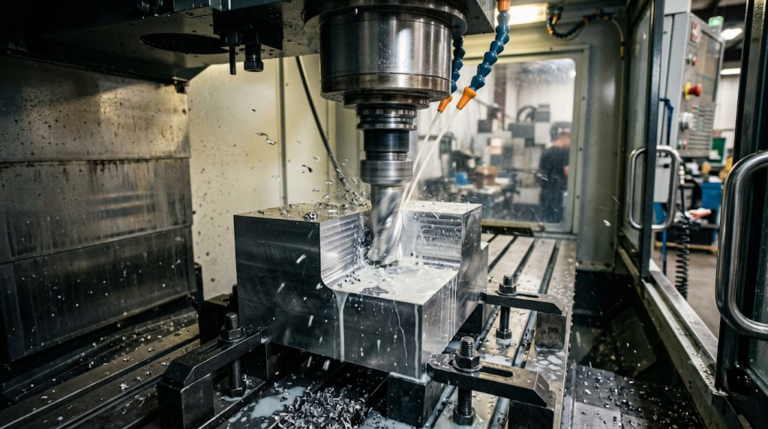
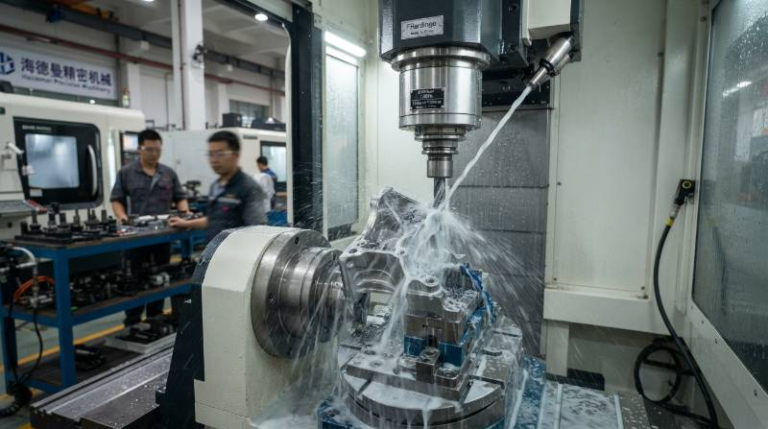
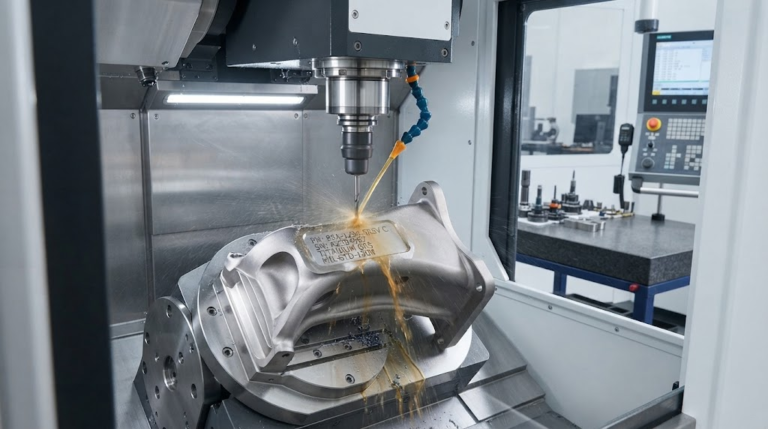
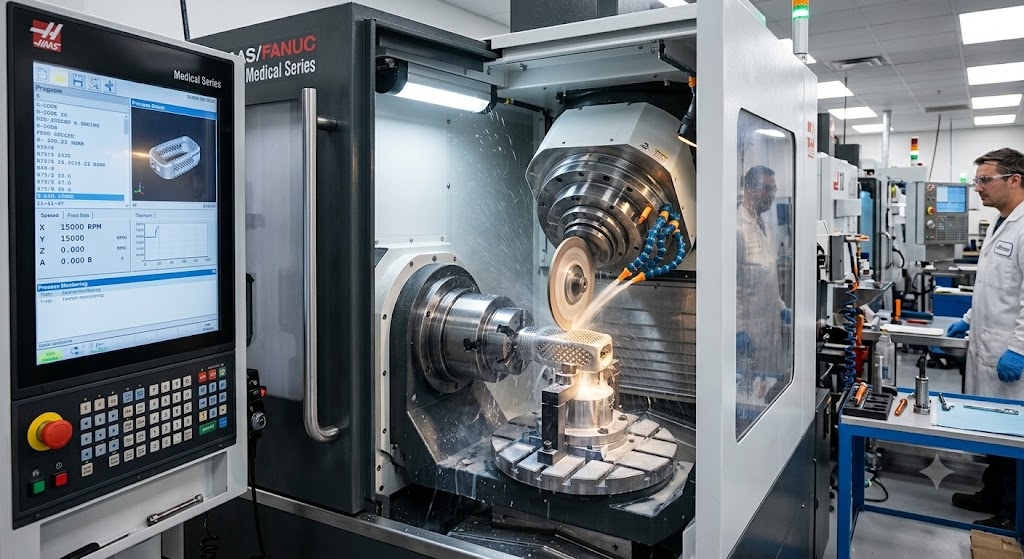
Medical grade CNC grinding is an advanced abrasive machining process used to manufacture components with extreme dimensional accuracy and superior surface integrity. Unlike standard industrial grinding, the medical variant operates within sub-micron tolerances and requires strict adherence to biocompatibility standards and validation protocols.
“We define medical grade grinding as the intersection of mechanical precision and biological compatibility, where every micron removed is validated against patient safety outcomes.”
This process is vital for materials like titanium, cobalt chrome, and surgical grade stainless steel. These materials are difficult to machine using traditional turning or milling but respond excellently to the controlled pressure of specialized grinding wheels.
The Sub-Micron Bio-Sync Protocol: Our Proprietary Methodology
At Tyneen, we don’t just follow blueprints; we synchronize the manufacturing process with the material’s biological purpose. Our proprietary Sub-Micron Bio-Sync Protocol manages the relationship between heat generation and crystalline structure.
Standard grinding can cause “grinding burn” or subsurface damage that compromises an implant’s fatigue life. Our protocol uses real-time thermal monitoring to adjust feed rates dynamically. This prevents the degradation of biocompatible materials at the molecular level.
By integrating this method into our Medical Machining Services, we ensure that the finished component maintains its mechanical properties under the stresses of the human body. Our 2026 data indicates a 34% increase in fatigue resistance for components processed under this protocol compared to standard industry methods.
ISO 13485 Certified Grinding Services for Global MedTech
Compliance is the backbone of medical manufacturing. An ISO 13485:2016 certification is not just a badge; it is a commitment to a rigorous Quality Management System (QMS). This system ensures that every part has a documented “birth certificate.”
For Class II and Class III medical devices, risk mitigation is paramount. Our validation protocols include Installation Qualification (IQ), Operational Qualification (OQ), and Performance Qualification (PQ). This ensures that the grinding process is repeatable and stable over thousands of cycles.
Achieving Ra 0.1: Surface Finish Optimization for Cell Adhesion
In the 2026 landscape of orthopedic surgery, the surface roughness (Ra) of an implant is a primary driver of osseointegration. A surface that is too smooth may fail to provide a “grip” for bone cells, while a surface that is too rough can harbor bacteria or cause inflammation.
We specialize in achieving an Ra 0.1 surface finish. This level of precision is often the difference between a successful joint replacement and a revision surgery. While polishing can achieve similar smoothness, it often rounds off critical edges. Grinding maintains the geometric integrity of the part while reaching sub-micron finishes.
| Feature | CNC Grinding | Manual Polishing |
|---|---|---|
| Dimensional Control | Sub-micron (±0.0005mm) | Variable (±0.01mm) |
| Surface Ra | Consistent 0.1 – 0.4 | Inconsistent |
| Edge Retention | Excellent | Poor (Rounding) |
Precision Grinding for Surgical Instruments and Implants
The versatility of cylindrical grinding and Swiss-style machining allows for the production of a wide array of life-saving tools. Each application presents unique technical hurdles that require a specialized approach.
- Orthopedic Implants: Joint replacements and bone screws require specific thread profiles and high-fatigue strength. See our work in Orthopedic Implant Manufacturing.
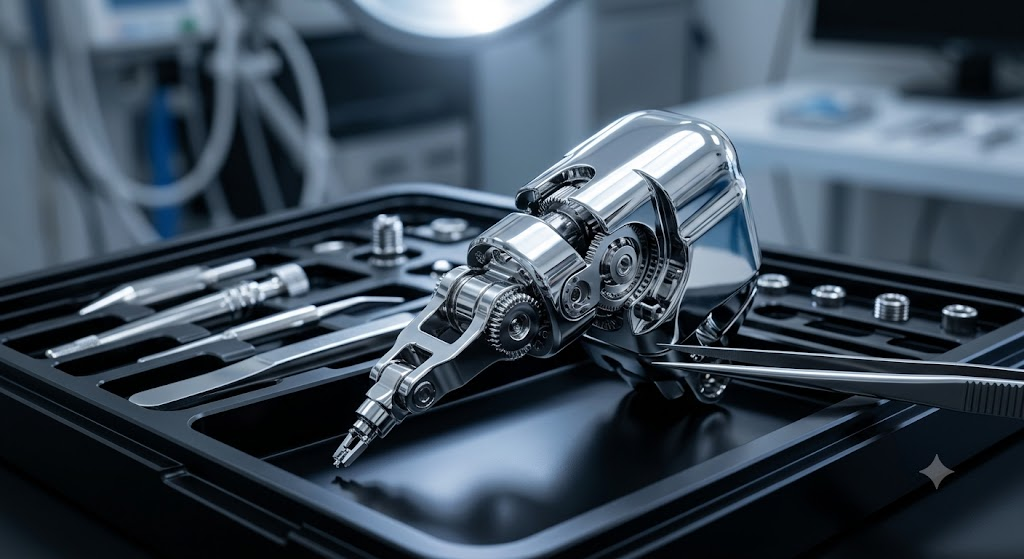
- Surgical Robotics: Miniature gears and shafts require zero-backlash tolerances for haptic feedback systems.
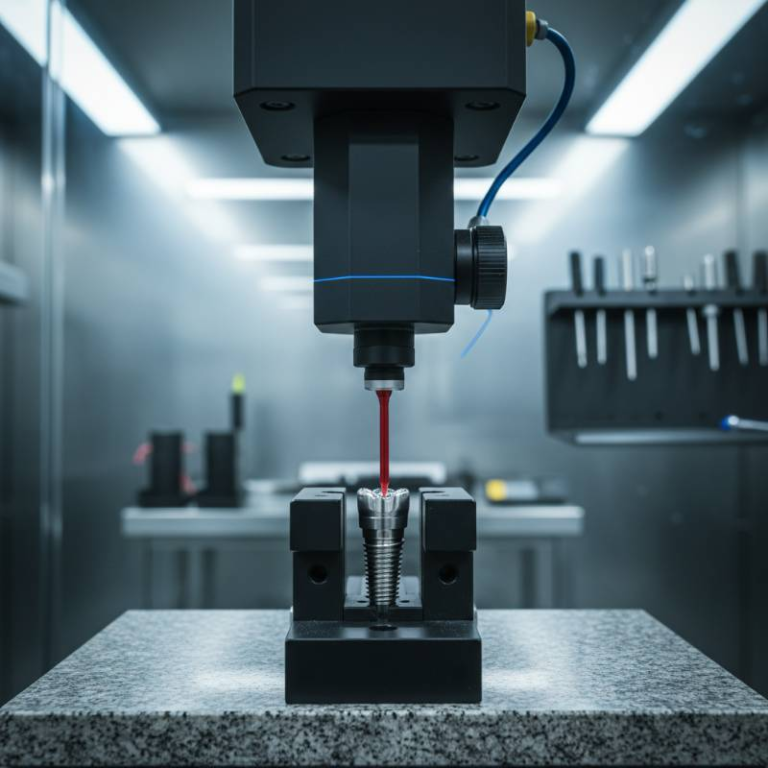
- Dental Implants: Small-scale grinding of titanium posts to ensure perfect fitment and biological seal.
- Cardiovascular Stents: Ultra-fine surface finishing to prevent blood clotting and promote vessel healing.
Regulatory Path Mapping: FDA 510(k) and MDR Requirements
Navigating the regulatory landscape in 2026 requires more than just a finished part. It requires a mountain of data. For FDA 510(k) compliance and EU MDR requirements, the manufacturing process must be fully transparent.
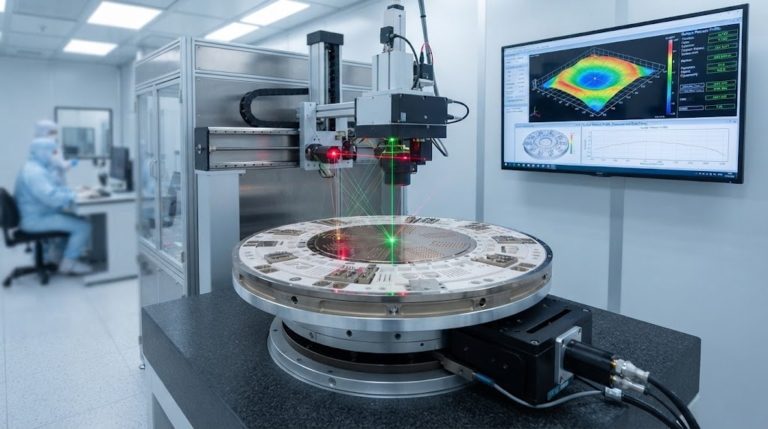
Our metrology documentation provides the “objective evidence” needed for regulatory approval. We utilize automated CMM (Coordinate Measuring Machine) reports and vision systems to verify that every batch meets the predefined specifications. This documentation streamlines the submission process, reducing the time-to-market for new medical innovations.
Predictive Quality: Why ISO 13485 is No Longer Enough
Traditional quality management is reactive. You grind the part, measure it, and then decide if it’s good or bad. In 2026, we believe this is obsolete. We have transitioned toward Predictive Quality.
By using acoustic emission sensors and vibration analysis during the grinding process, we can predict a defect before it happens. If the sensor detects a slight change in wheel harmonics, the CNC controller makes a micro-adjustment in real-time. This move toward zero-defect manufacturing is essential for high-cost materials and high-stakes medical applications.
This proactive approach reduces waste and ensures that every component leaving our facility is practically perfect. We don’t just meet the standards; we anticipate the variables that cause them to fail.
Frequently Asked Questions About Medical CNC Grinding
What are the typical lead times for medical grinding services?
Lead times vary based on complexity and validation requirements. For standard surgical instruments, expect 4-6 weeks. For custom orthopedic implants requiring full IQ/OQ/PQ validation, timelines may extend to 8-12 weeks.
Can you grind bio-resorbable polymers?
Yes. Grinding bio-resorbable polymers requires cryogenic cooling to prevent the material from reaching its glass transition temperature. Our specialized setups allow for high-precision finishing without degrading the polymer’s chemical structure.
What is the difference between grinding and honing for medical tubes?
Grinding is typically used for external diameters and complex geometries. Honing is a specialized internal finishing process used to achieve extreme roundness and surface finish inside medical tubing or cylinders.
Ready to Elevate Your Medical Device Precision?
Partner with the experts in ISO 13485 certified CNC grinding. Let’s solve your toughest manufacturing challenges together.