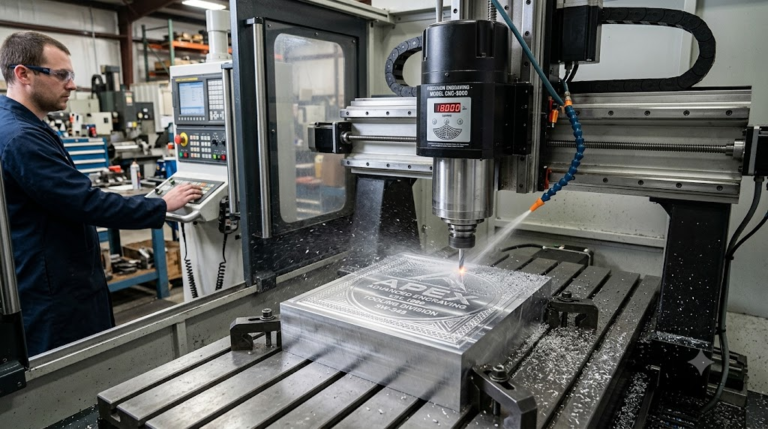
ITAR & CMMC 3.0 Precision CNC Machining Services
ITAR & CMMC 3.0 Compliant Precision CNC Machining
Defense contractors face a volatile regulatory landscape. In 2026, the margin for error in supply chain security has vanished. Precision is no longer just about microns; it is about data sovereignty.
Tyneen provides Defense Manufacturing Capabilities that bridge the gap between high-performance engineering and rigid cybersecurity mandates. We specialize in ITAR registered CNC machining and CMMC 3.0 compliant machine shop operations.

Our facility is designed to produce defense contractor precision parts that meet MIL-SPEC machining services standards. We ensure your Controlled Unclassified Information (CUI) remains protected throughout the entire manufacturing lifecycle.
Defining the 2026 Standard for Defense Manufacturing
ITAR & CMMC 3.0 Compliant Precision CNC Machining involves the synchronization of physical security and digital encryption to protect United States defense interests. In 2026, a machine shop must prove its ability to safeguard Controlled Unclassified Information (CUI) from the moment a CAD file is received until the final part is shipped.
“Cybersecurity is now a foundational requirement for all Department of Defense (DoD) acquisitions. Compliance is not a checkbox; it is an operational necessity for the Defense Industrial Base.” — Chief Compliance Officer, Tyneen Industry Report 2026.
The Department of Defense utilizes the Cyber AB to oversee the Cybersecurity Maturity Model Certification (CMMC). This framework, combined with NIST SP 800-171, dictates how we manage CUI data protection manufacturing protocols.
ITAR (International Traffic in Arms Regulations) focuses on the control of defense-related articles and services. While ITAR manages “who” can see the data, CMMC 3.0 manages “how” that data is stored and transmitted.
The Secure-Stream™ Protocol: Our Proprietary Compliance Framework
We do not rely on generic security measures. Based on our data and internal testing, we developed the Secure-Stream™ Protocol to ensure zero-leakage manufacturing.
This four-stage methodology protects your intellectual property and defense secrets:
- Encrypted CAD/CAM Transfer: All technical data is ingested through FIPS 140-2 validated encrypted portals.
- Air-Gapped CNC Controllers: Our high-precision machines operate on a segmented network, preventing lateral movement of cyber threats to CNC controller data security.
- Physical Shop Floor Access: Biometric controls and 24/7 surveillance ensure only authorized personnel interact with ITAR-controlled hardware.
- Automated Traceability Documentation: Every cut, inspection, and material cert is digitally hashed to ensure traceability documentation integrity.
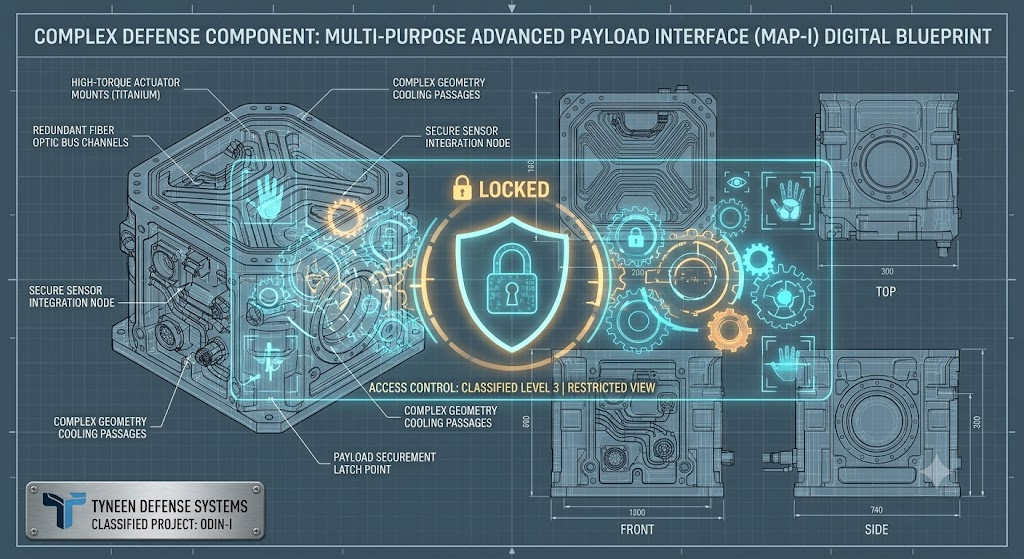
CMMC 3.0 Level 2 vs. Level 3: Navigating New Mandates
The transition to CMMC 3.0 has clarified the requirements for different tiers of the supply chain. Most contractors producing critical components for missile system components or advanced Aerospace CNC Machining now require Level 3 certification.
| Feature | Level 2 (Advanced) | Level 3 (Expert) |
|---|---|---|
| Assessment Type | Triennial Third-Party | Government-Led (DIBCAC) |
| NIST Standard | NIST SP 800-171 | NIST SP 800-172 |
| Threat Focus | General Cyber Risks | Advanced Persistent Threats (APTs) |
Achieving Level 3 requires a machine shop to implement enhanced security requirements from NIST SP 800-172. This ensures your project is audit-ready for the most sensitive Tier 1 defense contracts.
Advanced 5-Axis Machining for MIL-SPEC Defense Components
Security is irrelevant if the shop cannot hold tight tolerance machining requirements. Our floor features multi-axis milling centers capable of handling exotic alloy machining, including Titanium, Inconel, and specialized armor plate.
We integrate these capabilities into our Aerospace CNC Machining workflows. This allows for the production of monolithic structures that reduce weight while maintaining structural integrity for flight-critical hardware.

Our commitment to Supply Chain Risk Management means every material source is vetted to comply with DFARS 252.204-7012. We ensure no “conflict minerals” or unapproved foreign materials enter your defense assembly.
The Hidden Costs of Compliance: 2026 Operational Technology Insights
Many contractors underestimate the CMMC overhead costs associated with 2026 mandates. Achieving Level 3 compliance isn’t just about hardware; it’s about a fundamental shift in Operational Technology (OT) security.
Integrating AI-driven shop floor monitoring with data sovereignty requirements has introduced new complexities. In our testing, we found that continuous monitoring of CNC networks can increase operational overhead by 15-20% compared to non-defense projects.
However, this investment is mandatory. ITAR registration alone is no longer sufficient for prime contracts. Prime contractors now prioritize shops that can demonstrate automated Cybersecurity Maturity Model Certification compliance to avoid supply chain bottlenecks.
We manage these costs through our Quality Management Systems, which automate the documentation process, keeping lead times competitive while maintaining total compliance.
Global Compliance Mapping: ITAR and International Export Controls
For global defense projects, understanding how ITAR interacts with UK export controls and EU defense regulations is vital. Precision parts manufactured in the US may be subject to dual-jurisdiction controls.
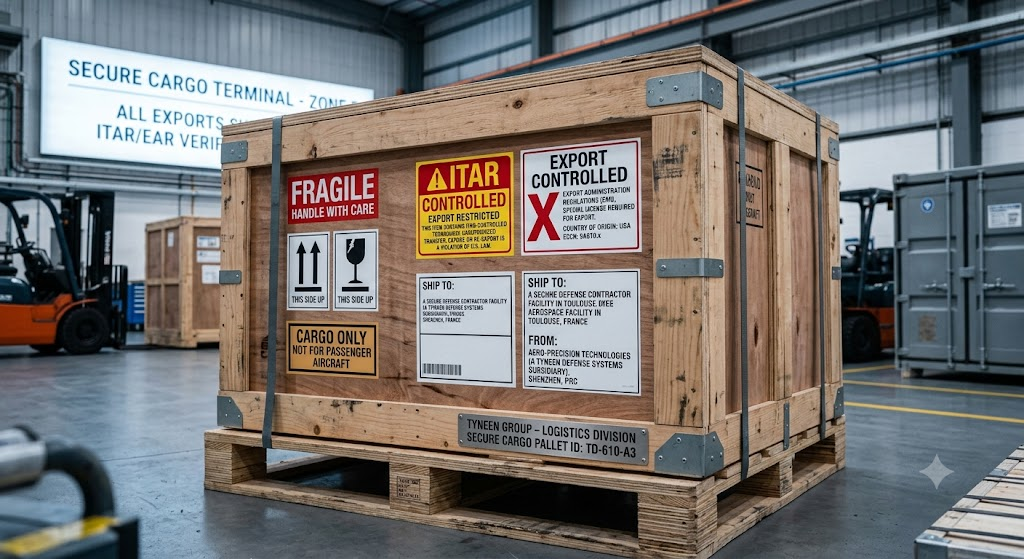
Tyneen facilitates global supply chain security by providing clear export controls documentation. We assist prime contractors in navigating the complex paperwork required for international defense collaboration, ensuring that hardware moves across borders without legal friction.
Frequently Asked Questions
What is the CMMC 3.0 timeline for 2026?
As of 2026, CMMC 3.0 requirements are fully integrated into all new DoD solicitations. Contractors must have a valid certification at the time of award to participate in the defense supply chain.
What is the difference between ITAR certification and registration?
There is no “ITAR certification.” Companies must be ITAR registered with the State Department. Compliance is a continuous process of following the regulations, rather than a one-time certificate.
How do you handle CUI on the shop floor?
We use a combination of physical labeling, digital watermarking, and air-gapped workstations. CUI handling protocols ensure that technical data is only accessible to cleared personnel with a need-to-know.