Mastering Precision CNC Turning for Internal Features
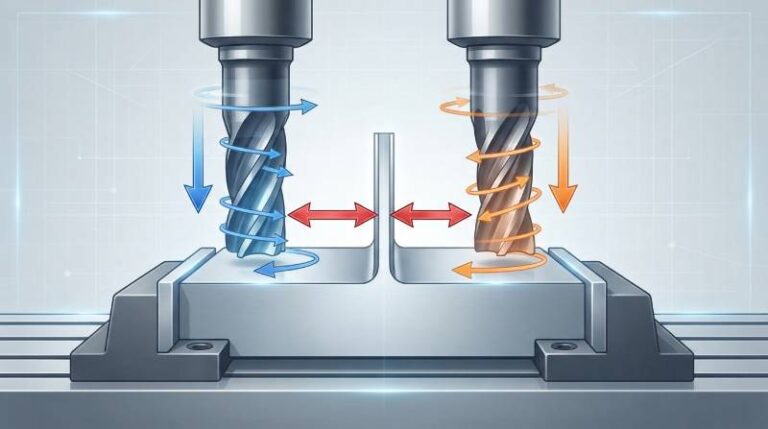
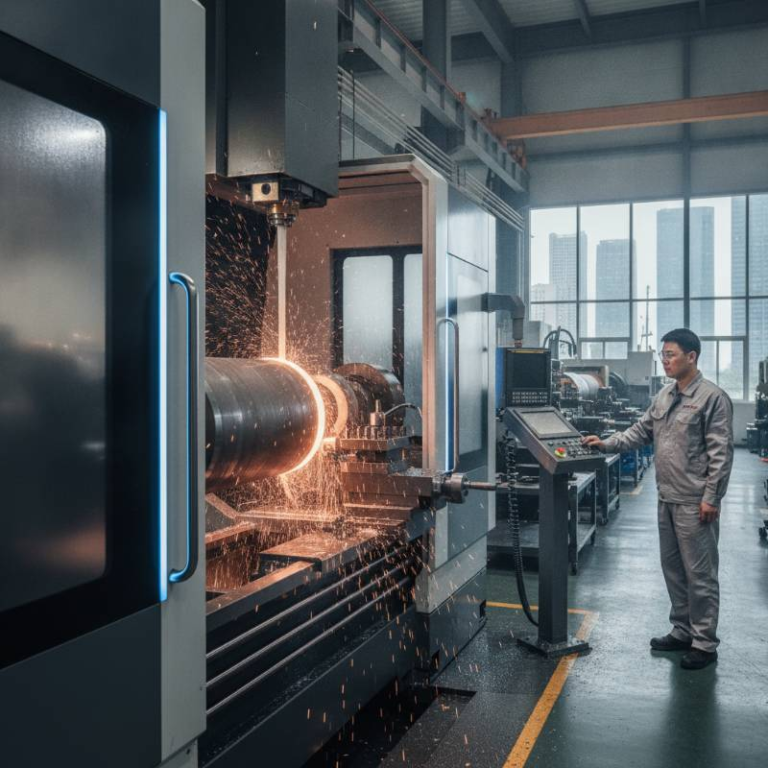
Manufacturing excellence often hides where the eye cannot see. While outer diameter (OD) turning is straightforward, Precision CNC Turning Internal Features requires a sophisticated understanding of tool harmonics and material behavior.
At Tyneen, we specialize in solving the “blind-hole” puzzle. We combine advanced Precision Machining Services with proprietary methodologies to ensure every internal bore and thread meets rigorous global standards.
What is Internal Feature Machining in CNC Turning?
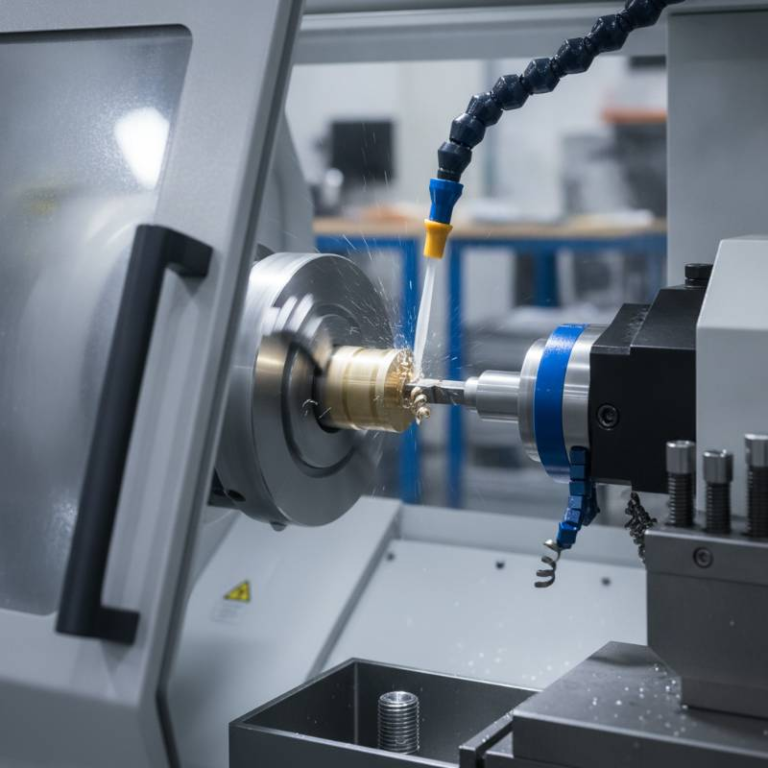
Internal feature machining refers to the process of removing material from the inside of a rotating workpiece to create hollow geometries, precise bores, and complex threads. Unlike external turning, internal operations are limited by the physical space of the hole, making chip evacuation and tool stability the primary technical hurdles.
“Precision isn’t just about the machine; it’s about managing the physics within the bore where you can’t see the tool. In our 2026 facility, we treat internal features as a balance of thermal stability and harmonic dampening.”
— Michael Vance, Senior CNC Engineer
Precision Boring Operations: Achieving Tight Tolerances
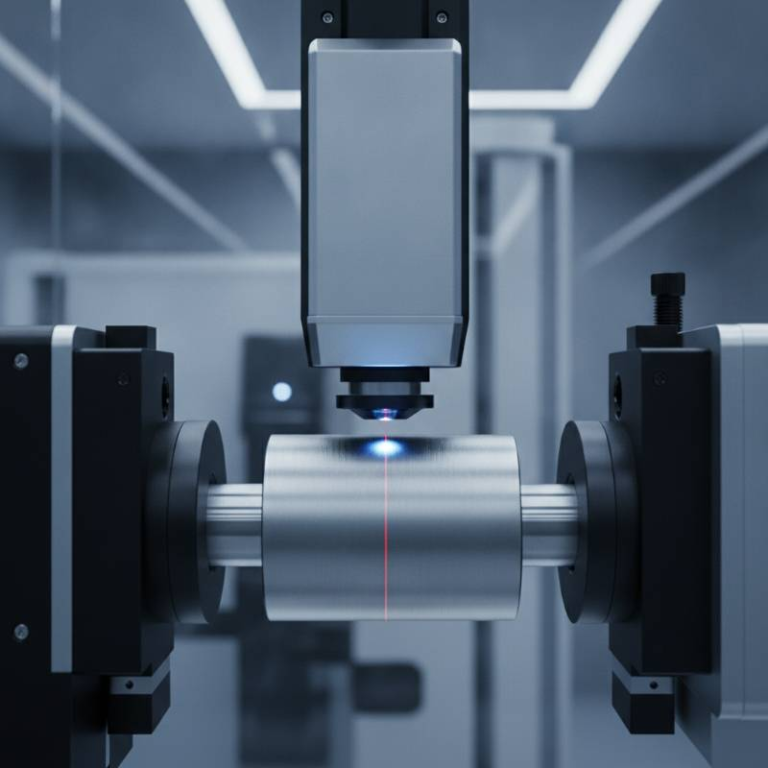
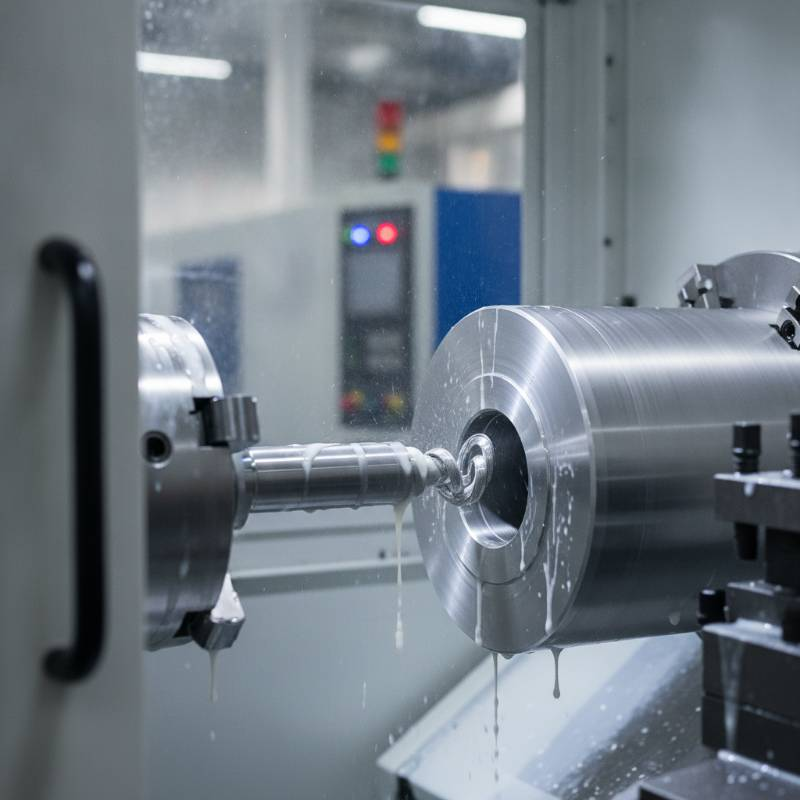
Boring operations are the gold standard for enlarging existing holes to achieve tight tolerances and superior surface finish. While drilling creates the initial opening, boring ensures the hole is perfectly concentric with the Spindle Speed and axis of rotation.
In aerospace applications, we frequently encounter Geometric Dimensioning and Tolerancing (GD&T) requirements that leave no room for error. Using Carbide Tooling with high-rigidity Boring bars, we maintain diametric accuracy within +/- 0.0002 inches.
Our data shows that Surface finish quality in internal bores is directly tied to the feed rate and the tool’s nose radius. For 2026 industrial requirements, we utilize digital twin simulations to predict deflection before the first cut is made.
Advanced CNC Threading and Custom Thread Turning
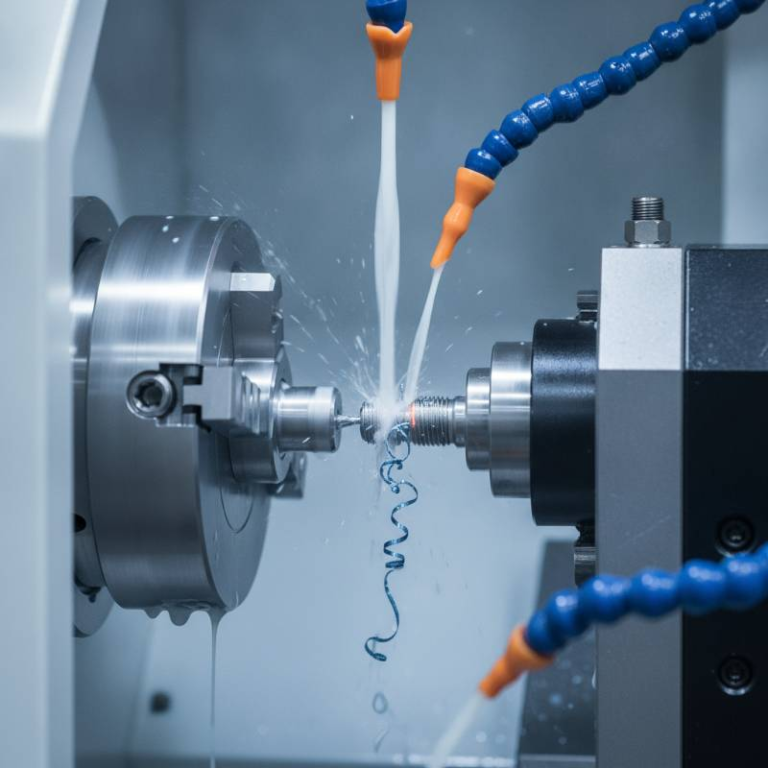
Internal threading is a critical component of Precision CNC Turning Internal Features. While Rigid tapping is efficient for standard sizes, Single-point threading offers the flexibility needed for Custom threads turning and non-standard ISO Thread Standards.
- Single-point threading: Best for large diameters and ensuring thread-to-bore concentricity.
- Thread milling: Ideal for high-hardness materials where tool breakage is a risk.
- Custom Threads: We often execute trapezoidal or multi-start threads for heavy-duty industrial actuators.
Selecting the right approach depends heavily on your Material Selection Guide. Titanium and Inconel require different lead-in strategies compared to 6061 Aluminum to prevent tool chatter.
The L:D Stability Protocol: Solving Deep Hole Turning
To overcome the inherent risks of deep hole turning, we have developed The L:D Stability Protocol. This methodology dictates the maximum overhang a tool can have relative to its diameter to prevent Tool deflection and machining vibration.
| Bar Material | Max L:D Ratio | Application |
|---|---|---|
| Steel | 3:1 to 4:1 | General Purpose |
| Heavy Metal | 5:1 to 6:1 | Deep Boring |
| Solid Carbide | 7:1 to 10:1 | High-Precision Micro |
By strictly adhering to this protocol, we eliminate the “trial and error” phase of production, ensuring consistent quality in every batch.
Tooling Logic: Selecting Boring Bars for Efficiency
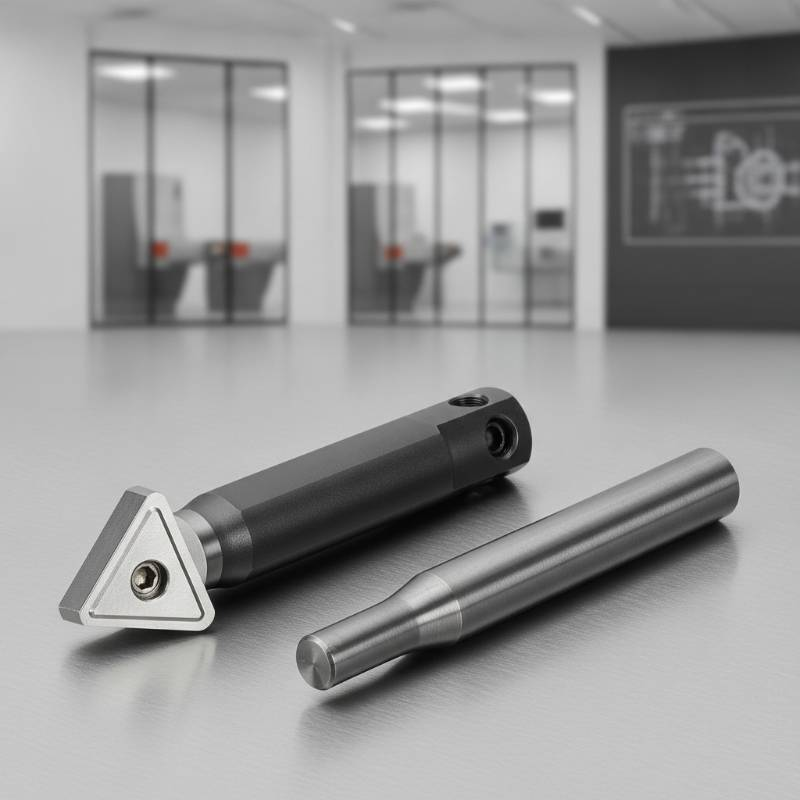
Efficiency in Lathe operations starts with tool geometry. For internal features, Coolant-through tooling is non-negotiable. It flushes chips out of the bore, preventing “recutting” which ruins surface integrity.
We utilize indexable inserts for high-volume production to minimize downtime. However, for specialized micro-features, solid carbide remains superior due to its extreme rigidity. Our CNC Lathe Capabilities include multi-turret setups that allow for simultaneous internal and external machining, significantly reducing cycle times.
Troubleshooting Internal Machining: Chip Nesting and Vibration
Chip nesting is the silent killer of internal turning tools. When long, stringy chips wrap around the boring bar, they can cause catastrophic tool failure or mar the internal finish defects.
Expert Tip: Use a “pecking” cycle or high-pressure coolant to break the chips. If you hear a high-pitched squeal, you’re experiencing machining vibration. Reducing the nose radius of the insert or adjusting the Spindle Speed can often neutralize these harmonics instantly.
Sustainability and Carbon Footprint in Precision Turning
In 2026, sustainable manufacturing is a core requirement for global procurement. Precision internal machining reduces material waste reduction by allowing for near-net-shape processing.
By optimizing tool paths and reducing scrap rates through our L:D Protocol, we lower the carbon footprint per part. Efficient Chip control also allows for 100% recycling of metal swarf, contributing to a circular manufacturing economy.
Frequently Asked Questions About Internal CNC Turning
What is the limit for deep hole turning ratios?
Generally, a 10:1 ratio is the upper limit for solid carbide bars with specialized dampening. Beyond this, specialized honing or deep-hole drilling equipment is often required.
How do you ensure thread concentricity?
We perform the bore and the internal thread in a single setup. This ensures that the internal diameter and the thread pitch line share the exact same centerline.
Can you machine internal features in hardened steel?
Yes. Using CBN (Cubic Boron Nitride) or ceramic inserts, we can perform hard turning on internal features with hardness ratings up to 60 HRC.
Ready to Solve Your Toughest Internal Machining Challenges?
From aerospace-grade bores to custom industrial threads, Tyneen delivers precision you can trust.