
Magnesium Alloy Machining
Magnesium alloys including AZ31, AZ91, and WE43 — the lightest structural metals available — offering an exceptional strength-to-weight ratio, excellent machinability, and EMI shielding for aerospace, automotive, and consumer electronics applications.
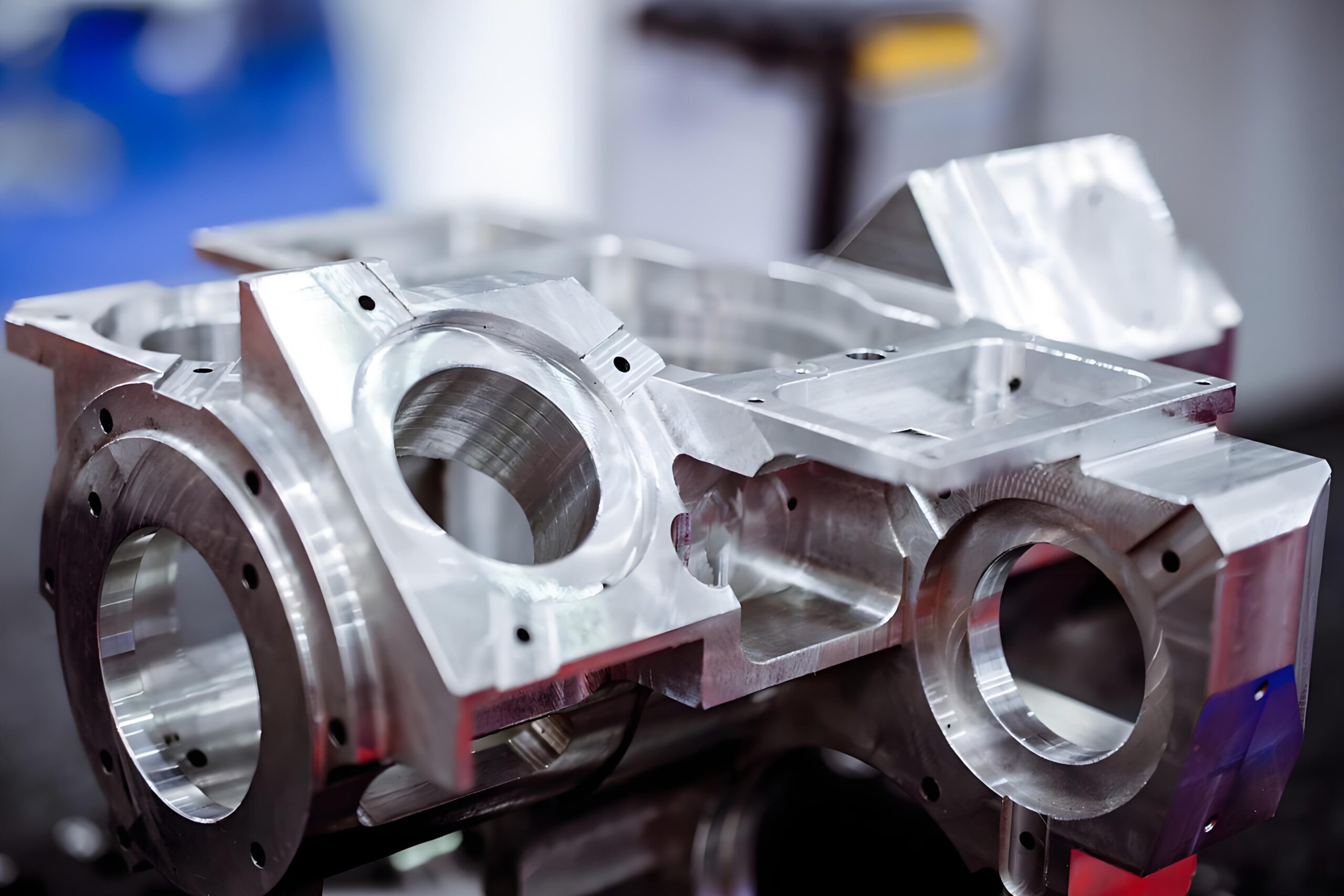
Material Properties
1.74-1.83
g/cm³
450-650
°C
260
MPa
230
MPa
200
MPa
45
GPa
96
W/m·K
Highest among structural metals
Machining Recommendations
Recommended Methods
CNC milling, turning, drilling, tapping — magnesium is among the most machinable metals
Tool Materials
Carbide or sharp high-speed steel; positive rake angles recommended
Cutting Speeds
300-600 m/min (among the highest for any metal)
Feeds
0.1-0.5 mm/rev
Coolant
Dry machining strongly preferred; if coolant is required, use mineral oil — NEVER water-based coolants (fire hazard with fine chips)
Fire Safety
Magnesium chips are flammable; chip management, Class D fire extinguishers, and proper ventilation are mandatory
Surface Finish
Ra 0.4-1.6 μm standard; Ra 0.2 μm achievable with fine finishing
Application Case Studies
Aerospace Avionics Enclosures
Industry: Aerospace & Defense
Challenge
AZ31B magnesium enclosures for avionics modules requiring EMI shielding, weight < 200 g, and AS9100D certification
Solution
5-axis CNC machining with micro-arc oxidation (MAO) coating for corrosion protection; 100% CMM inspection
Result
Achieved 35% weight reduction vs aluminum alternative; passed MIL-STD-461 EMI testing; delivered 2,000+ units
Automotive Steering Column Brackets
Industry: Automotive
Challenge
AZ91D die-cast magnesium brackets requiring secondary precision machining to ±0.05 mm for steering column assembly
Solution
Developed dedicated fixturing for die-cast parts; CNC milling of critical mounting surfaces and bore features
Result
Achieved 40% weight saving vs steel; reduced vehicle fuel consumption by 0.3%; supplied 500,000+ parts annually
Laptop and Tablet Chassis
Industry: Consumer Electronics
Challenge
Ultra-thin AZ31 magnesium chassis for premium laptops requiring wall thickness of 0.6 mm and Class-A surface finish
Solution
High-speed CNC machining with custom vacuum fixturing; chemical conversion coating followed by anodizing
Result
Achieved 0.6 mm wall thickness with ±0.05 mm tolerance; supplied to top-tier laptop OEM at 100,000 units/month
Medical Imaging Equipment Frames
Industry: Medical & Life Sciences
Challenge
WE43 bioabsorbable magnesium frames for portable MRI equipment requiring non-magnetic properties and light weight
Solution
Precision CNC machining of WE43 alloy with specialized surface treatment to control degradation rate
Result
Achieved MRI compatibility; reduced equipment weight by 28%; received FDA 510(k) clearance
Sports Equipment Components
Industry: Sports & Recreation
Challenge
AZ31 magnesium bicycle frame components requiring high fatigue strength and minimum weight
Solution
CNC-machined and welded frame sections with PEO (plasma electrolytic oxidation) surface treatment
Result
Achieved 20% weight reduction vs aluminum frame; passed 500,000-cycle fatigue testing
Technical Specifications
Available Forms
2mm to 300mm diameter/width; sheets up to 1500×3000 mm
Tolerances±0.01mm to ±0.05mm
Lead Times2-3 weeks for standard orders; 1 week for prototypes
Quality StandardsFrequently Asked Questions
Related Services
CNC Milling
Learn more about our cnc milling capabilities
CNC Turning
Learn more about our cnc turning capabilities
CNC Drilling
Learn more about our cnc drilling capabilities
Advanced Machining
Learn more about our advanced machining capabilities
Ready to Get Started?
Contact our engineering team to discuss your metals machining requirements.