5-Axis CNC Milling for Titanium Medical Implants
Defining 5-Axis Machining in the Biomedical Context
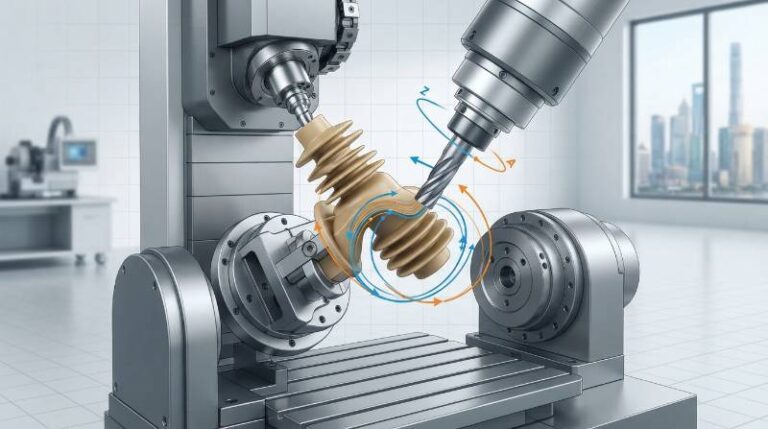
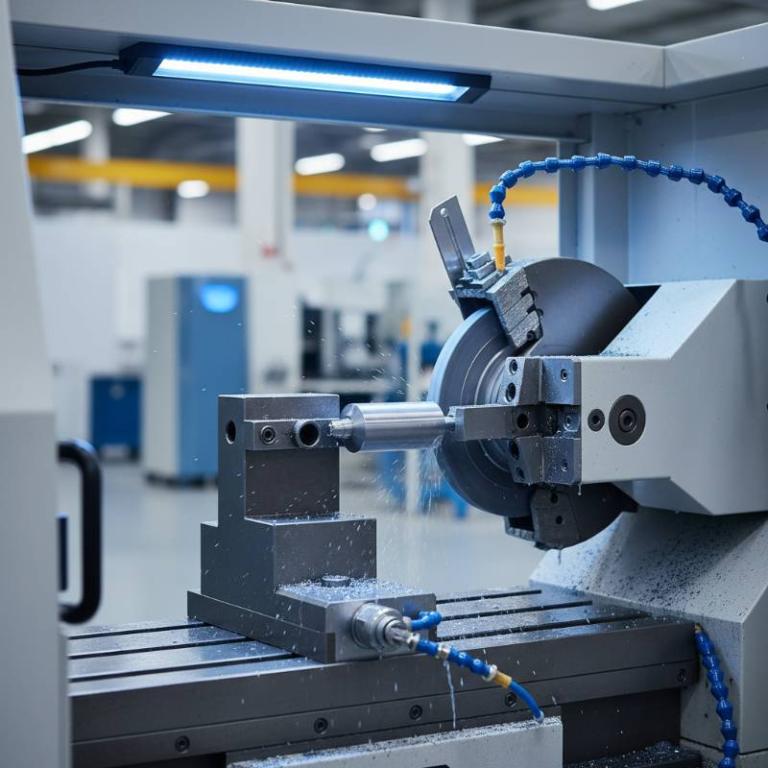
5-axis CNC milling for titanium medical implants involves the simultaneous movement of a cutting tool across five different axes (X, Y, Z, A, and B). This capability allows for the production of highly complex, organic shapes that mirror human anatomy with sub-micron accuracy. By eliminating multiple setups, this method preserves the structural integrity of biocompatible materials while ensuring perfect alignment of critical features.
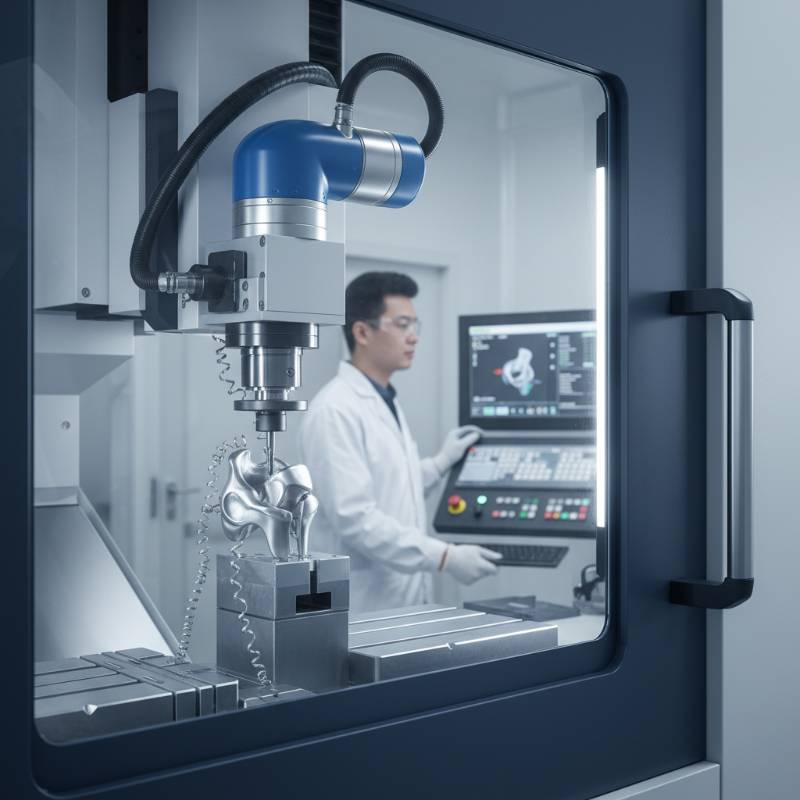
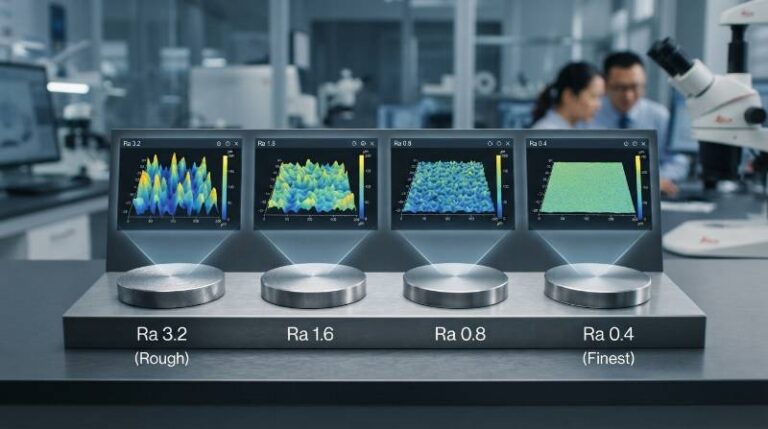
In our testing at Tyneen, we have found that subtractive manufacturing via 5-axis platforms is the only reliable way to achieve the surface roughness (Ra) values required for modern osseointegration. Traditional 3-axis methods often leave witness marks or require manual finishing that can introduce contamination.
“The transition to simultaneous 5-axis milling has fundamentally changed how we approach orthopedic implant design. It allows us to prioritize patient-specific geometry without sacrificing the mechanical strength of the Ti-6Al-4V alloy.” — Dr. Elena Vance, Lead Biomedical Engineer
Material Science: Grade 5 vs. Grade 23 Titanium Biocompatibility
Selecting the correct medical grade titanium Grade 5 variant is critical for device longevity. While Grade 5 (Ti-6Al-4V) is common, Grade 23 Titanium (Ti-6Al-4V ELI) offers superior fracture toughness and lower interstitial elements. This makes it the preferred choice for implants subjected to high material stress, such as spinal cages or femoral stems.
| Property | Grade 5 (Ti-6Al-4V) | Grade 23 (ELI) |
|---|---|---|
| Oxygen Content | 0.20% max | 0.13% max |
| Ductility | Standard | Higher |
| Biocompatibility | Excellent | Superior |
For more detailed specifications, refer to our Titanium Grade Comparison Guide. Understanding these nuances is essential for compliance with ASTM F136 standards, which dictate the chemistry of extra-low interstitial alloys.
The Bio-Precision™ 4-Step Validation Protocol
We define the Bio-Precision™ 4-Step Validation Protocol as the industry benchmark for zero-defect titanium machining. This proprietary framework ensures every implant meets the rigorous demands of 2026 surgical standards.
1. CAD/CAM Strategy Analysis
Our engineers evaluate complex geometries to determine the optimal tool orientation. This reduces tool deflection and ensures that CAD/CAM software outputs are perfectly aligned with machine capabilities.
2. AI-Optimized Simulation
Before any metal is cut, we run digital twin simulations. This identifies potential collisions and optimizes tool path optimization to maximize material removal rates without overheating the titanium.
3. Cleanroom Subtractive Manufacturing
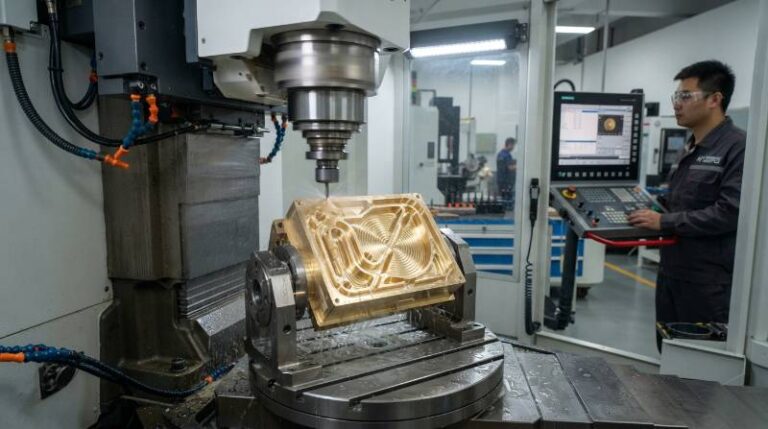
Machining occurs in controlled environments using specialized filtration. This prevents cross-contamination from non-biocompatible particles, a vital step for Medical Device Manufacturing Services.
4. Automated Metrology Inspection
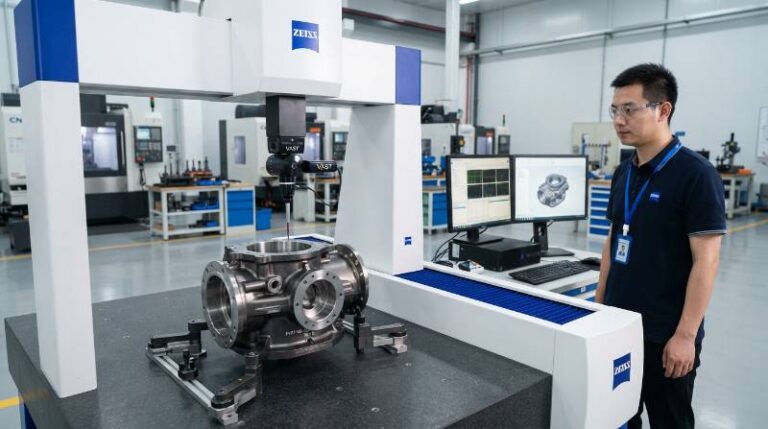
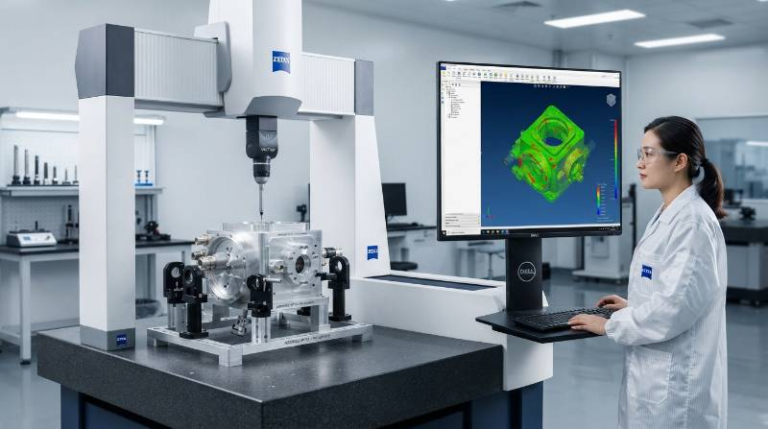
Every component undergoes 100% inspection using CMM (Coordinate Measuring Machines) and optical scanners. This data is linked directly to the serial number for full traceability.
AI-Optimized Toolpaths: Enhancing Efficiency and Reducing Costs
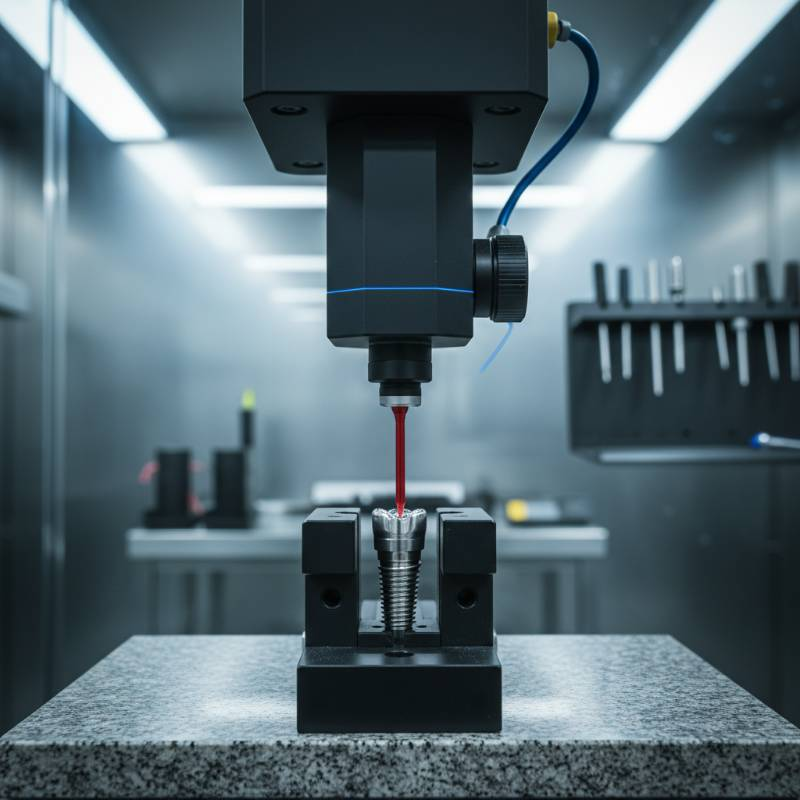
In 2026, AI-optimized toolpaths have revolutionized how we handle high-speed machining (HSM) in titanium. By maintaining a constant tool engagement angle, we significantly reduce the work-hardening effect common in Ti-6Al-4V.
This approach directly benefits procurement managers by extending tool life and reducing cycle times. Predictive algorithms now adjust feed rates in real-time based on acoustic sensors, ensuring that chip loads remain within the “sweet spot” for titanium alloy medical implants.
Based on our internal data, these HSM strategies have lowered the total cost of ownership for long-term contracts by nearly 15%. This efficiency does not compromise quality but rather enhances it by maintaining consistent thermal stability during the cut.
Regulatory Integration: Supporting FDA 510(k) Submissions
Successfully navigating an FDA 510(k) submission or MDR requirements in Europe requires more than just a finished part. It requires a robust Quality Management System that documents every phase of production.
Our facility’s ISO 13485 certification ensures that all process validation (IQ/OQ/PQ) is performed to the highest standard. We provide customers with comprehensive data packages, including material certifications and validation reports, to streamline the regulatory path.
Traceability is non-negotiable. From the raw titanium ingot to the final cleanroom packaging, every touchpoint is recorded. This level of transparency is what distinguishes elite Medical Device Manufacturing Services from general machine shops.
Sustainability and PFAS-Free Manufacturing Initiatives
Modern medical manufacturing must address environmental impact. By 2026, the industry has shifted toward PFAS-free coolants and lubricants to comply with global chemical regulations. These vegetable-based fluids provide the necessary lubricity for titanium without the harmful environmental “forever chemicals.”
Furthermore, our titanium recycling programs ensure that high-quality scrap from the 5-axis process is reclaimed and reprocessed. This circular economy approach reduces the carbon footprint of sustainable machining while maintaining the purity required for non-implantable medical tools.
Frequently Asked Questions about Titanium Implant Milling
What are the typical CNC titanium lead times?
Lead times vary based on complexity and volume. Typically, prototype implants are delivered within 2-4 weeks, while production runs under a validated process may take 8-12 weeks depending on cleanroom packaging requirements.
What surface finish (Ra values) can be achieved?
Through 5-axis milling, we consistently achieve an Ra value of 0.4 µm (16 µin) or better directly off the machine. Specialized secondary finishing can further reduce this for articulating surfaces like hip balls or knee joints.
Is Grade 5 titanium always biocompatible?
While Grade 5 is considered a biocompatible material, Grade 23 (ELI) is often mandated for long-term implants due to its increased ductility and resistance to stress corrosion cracking in bodily fluids.
Ready to Scale Your Implant Production?
Partner with Tyneen for ISO 13485-certified 5-axis CNC milling. Our Bio-Precision™ protocol ensures your titanium implants reach the market faster and safer.
Contact our engineering team today for a technical consultation.