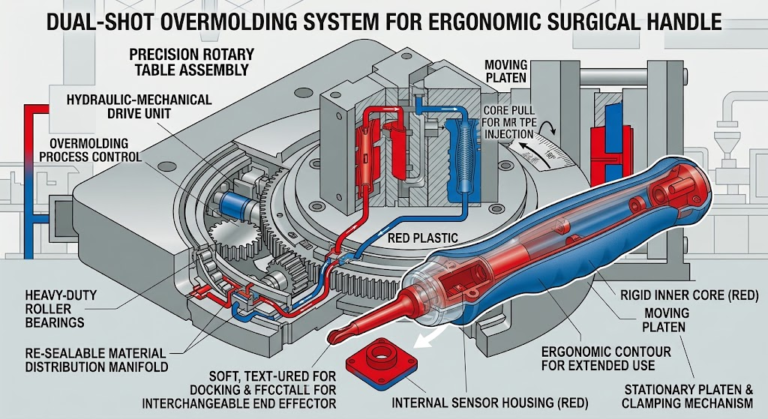
Thin-Wall Magnesium CNC Machining: Precision Services
High-Precision Thin-Wall Magnesium CNC Machining Services
In the 2026 manufacturing landscape, the demand for lightweight structural components has reached an all-time high. Industries ranging from aerospace to electric vehicle (EV) production are moving away from traditional aluminum toward magnesium alloys.
Thin-wall magnesium alloy CNC machining services bridge the gap between high-performance engineering and mass-production scalability. At Tyneen, we specialize in overcoming the inherent volatility and vibration challenges associated with this reactive metal.
Material Science: Selecting the Right Magnesium Alloy
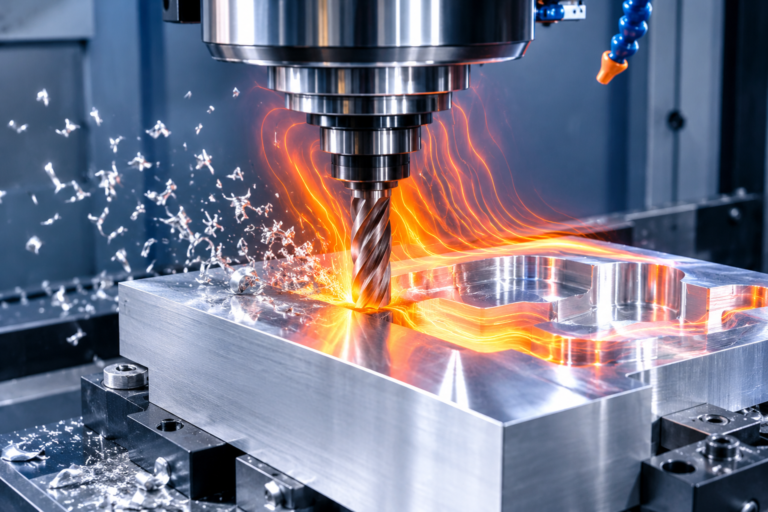
Thin-wall magnesium CNC machining provides lightweight, high-strength components for aerospace and EV sectors using specialized toolpaths to prevent deformation. These services achieve wall thicknesses under 0.5mm while maintaining structural integrity and thermal efficiency through advanced vibration damping.
Choosing the correct alloy is the first step in successful Material Selection Guide implementation. While magnesium is 33% lighter than aluminum, different grades offer varying levels of corrosion resistance and tensile strength.
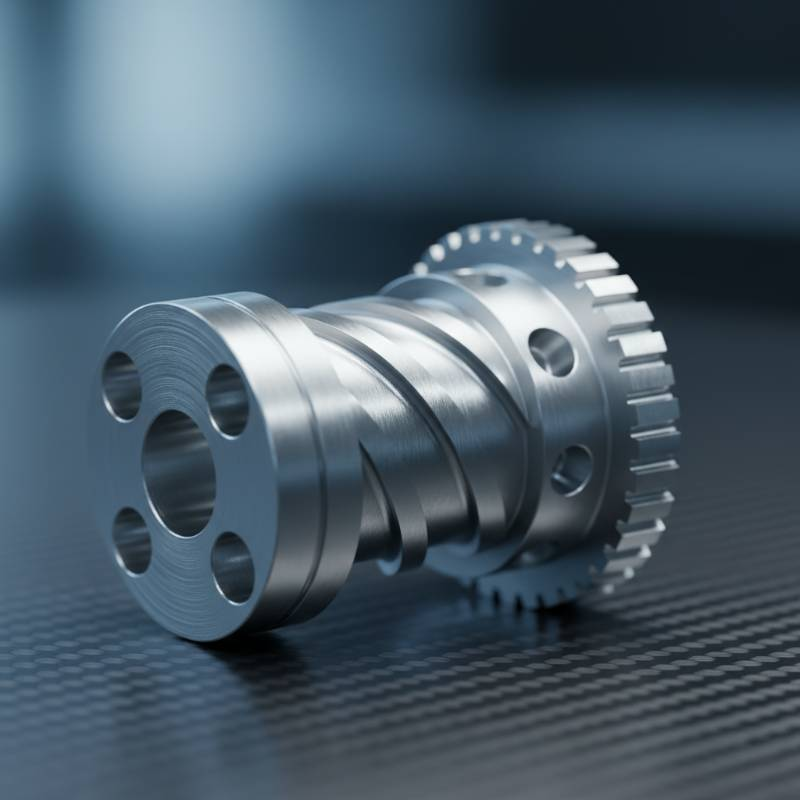
| Alloy Grade | Key Properties | Best Use Case |
|---|---|---|
| AZ31B | High strength, good ductility | Aerospace frames, prototypes |
| ZK60A | Excellent vibration damping | High-speed rotating parts |
| AZ91D | Superior corrosion resistance | EV battery housings |
Magnesium’s high specific strength and thermal conductivity make it ideal for heat dissipation in compact electronics. However, its low modulus of elasticity means thin walls can deflect under cutting pressure without expert intervention.
The Mag-Shield™ Precision Protocol: Our Proprietary Framework
To solve the “thin-wall chatter” problem, we developed the Mag-Shield™ Precision Protocol. This methodology moves beyond standard machining to address the unique physics of magnesium alloys.
- Thermal Stabilization: We maintain a climate-controlled environment to prevent the linear expansion of magnesium, which is higher than steel.
- AI-Driven Toolpath Optimization: Our software calculates variable feed rates that reduce pressure as the tool approaches thin sections.
- Real-time Vibration Monitoring: Sensors on the high-speed spindle detect harmonic resonance, automatically adjusting RPM to prevent “waviness.”
- Inert Atmosphere Finishing: Critical surfaces are finished under a controlled mist to prevent rapid oxidation.
“Machining magnesium at sub-millimeter thicknesses isn’t just about speed; it’s about managing energy. If the heat builds up, the part warps. If the vibration peaks, the wall cracks. Our protocol locks these variables in real-time.”
— Lead Metallurgical Engineer, Tyneen Precision
Advanced 5-Axis Milling for Complex Thin-Wall Geometries
Achieving tight tolerances of +/- 0.005mm requires more than just a 3-axis mill. Our Precision CNC Machining Services utilize 5-axis simultaneous movement to approach complex geometries from the most rigid angles.
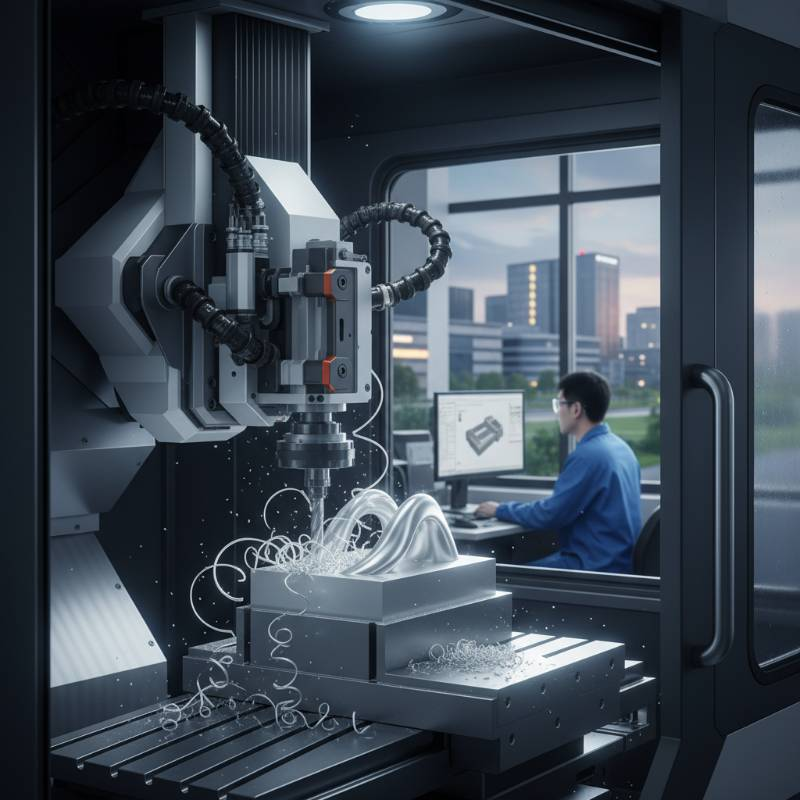
Tooling geometry is critical. We use PCD (Polycrystalline Diamond) or DLC-coated tools with high rake angles. This reduces friction and ensures chips are sheared cleanly rather than rubbed, which could ignite the material.
According to research on magnesium material properties, the metal’s low cutting resistance allows for high-speed machining, but only if the vibration damping capacity of the setup is sufficient.
Industry Applications: UAV Chassis and EV Battery Housings
The 2026 push for “Zero-Emission Mobility” has made magnesium the star of Aerospace Engineering Solutions. By replacing aluminum UAV frames with thin-wall magnesium, flight times increase by up to 15%.
Case Study: AI-Optimized UAV Chassis Production
Challenge: A defense contractor needed a drone chassis with 0.8mm walls that could withstand high-G maneuvers.
Solution: Using the Mag-Shield™ Protocol and ZK60A alloy, we reduced the part weight by 22% compared to the original aluminum design.
Result: The chassis passed all stress tests with zero micro-fractures, maintaining a tolerance of +/- 0.01mm across the entire 400mm frame.
In the automotive sector, EV battery housings benefit from magnesium’s electromagnetic shielding and thermal management properties. Machining these from solid billets ensures better structural integrity than die-casting for low-to-medium volume production runs.
Safety First: Magnesium Fire Prevention and Chip Handling
Magnesium is highly flammable in chip or dust form. Safety isn’t just a checkbox; it’s a regulatory necessity. We adhere strictly to NFPA 484 Standards for combustible metals.
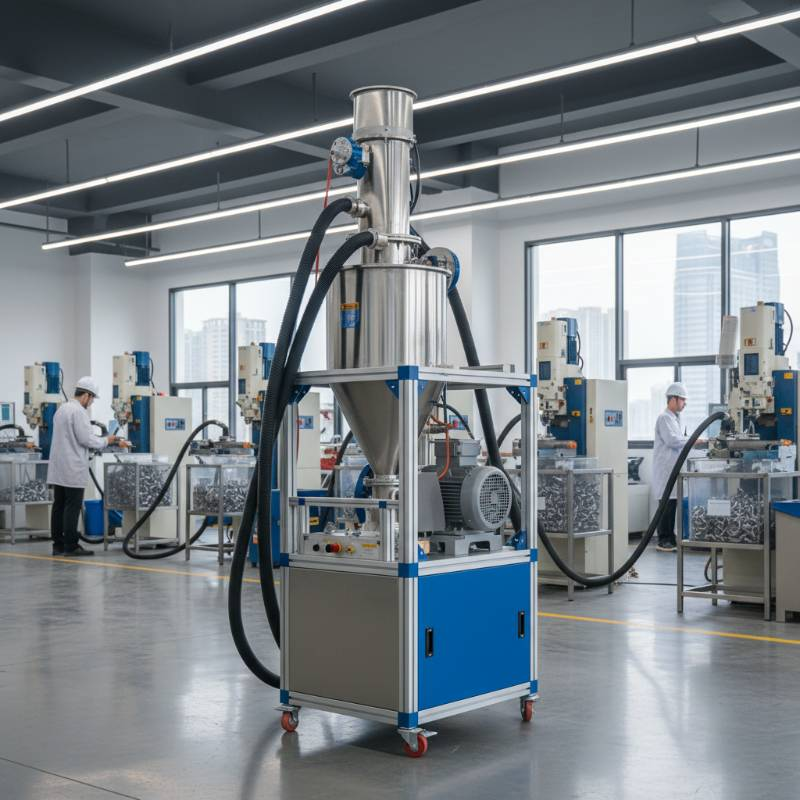
Our Fire Safety Protocol Includes:
- Dedicated Vacuum Systems: High-velocity extraction at the tool point to remove chips instantly.
- Class D Suppression: Every CNC station is equipped with argon-based fire suppression and specialized dry powder extinguishers.
- Water-Free Coolants: We use synthetic, oil-based coolants with high flash points to eliminate the risk of hydrogen gas generation.
- Storage: Chips are stored in sealed, non-combustible containers and recycled weekly.
Total Cost of Ownership: Magnesium vs. Carbon Fiber
Engineers often debate between magnesium and carbon fiber for lightweighting. While carbon fiber has a higher ultimate tensile strength, magnesium wins on Total Cost of Ownership (TCO) for complex 3D geometries.
Machined magnesium parts are isotropic, meaning they have uniform strength in all directions. Unlike carbon fiber, magnesium parts are 100% recyclable and do not require expensive molds or long curing cycles. This makes CNC machining the superior choice for iterative designs and rapid scaling.
Sustainability: Carbon Footprint Tracking in Machining
At Tyneen, we integrate sustainable manufacturing into our Quality Assurance Standards. Magnesium is one of the most abundant elements on Earth and is infinitely recyclable without losing its mechanical properties.
In 2026, we provide a carbon footprint report for every production run. By optimizing toolpaths to reduce waste and utilizing 100% renewable energy in our facility, we help our clients meet their ESG (Environmental, Social, and Governance) goals.
Frequently Asked Questions about Magnesium Machining
What is the minimum wall thickness achievable for magnesium?
With our Mag-Shield™ Protocol, we routinely achieve 0.5mm walls. For specific geometries, we can go as low as 0.3mm, though this requires specialized structural bracing during the machining process.
How do you prevent corrosion on machined magnesium parts?
We offer several surface finishing for magnesium options, including Keronite (PEO), chromate conversion coating, and specialized anodizing. These treatments create a hard, non-reactive layer that protects the metal from oxidation.
What are the typical lead times for thin-wall CNC services?
Standard prototypes take 5-7 business days. Production runs depend on volume, but our AI-optimized scheduling typically delivers parts 20% faster than industry averages.
Ready to Lighten Your Next Project?
Get precision thin-wall magnesium components with the safety and speed your industry demands.