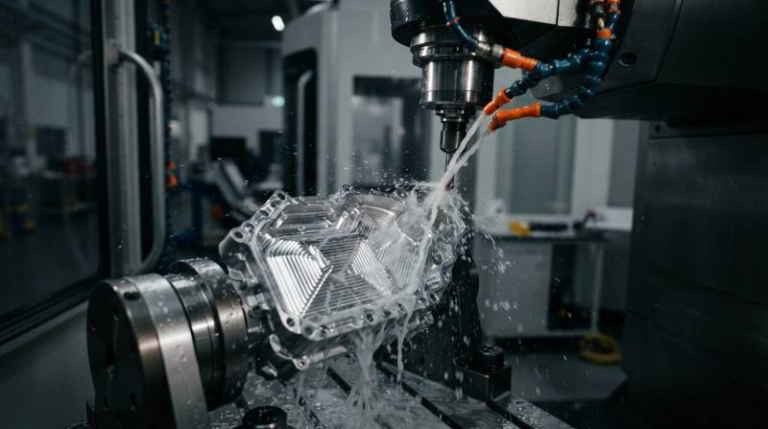
Inconel CNC Machining for Subsea Sensors: 2026 Guide
Precision Inconel CNC Machining for Subsea Sensors
Subsea exploration in 2026 demands hardware that can withstand the crushing pressures of the “Midnight Zone.” As the oil and gas industry pushes into deeper, more corrosive reservoirs, the reliance on advanced sensors has never been higher.
Manufacturing these sensors requires mastery over superalloys. Specifically, Inconel CNC machining has become the cornerstone for producing housings that protect delicate electronics from high-pressure high-temperature (HPHT) conditions and saline degradation.
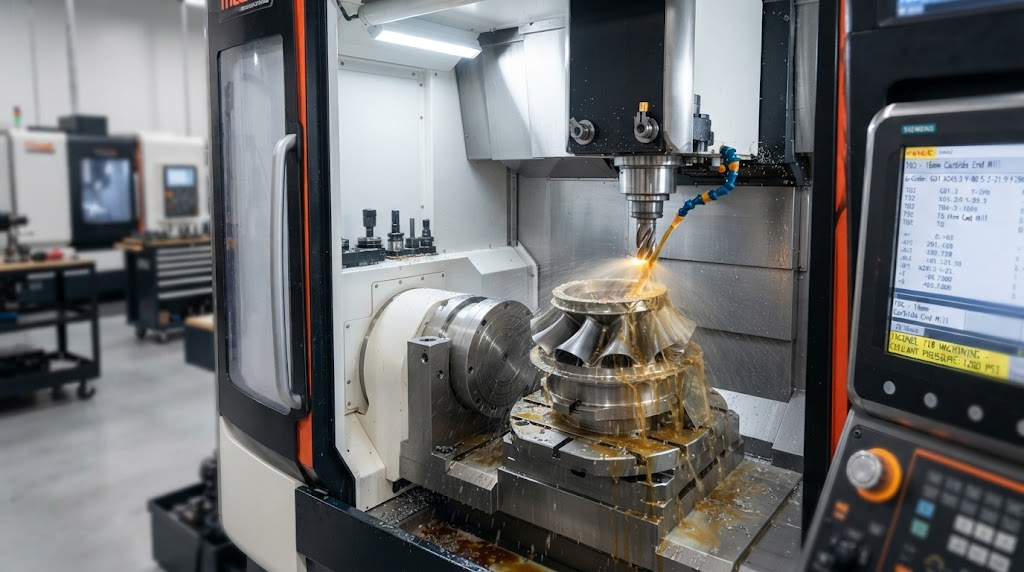
At Tyneen, we integrate metallurgical expertise with cutting-edge Our Precision Machining Services to deliver components that meet the rigorous demands of modern offshore energy projects.
What is Subsea Sensor Machining?
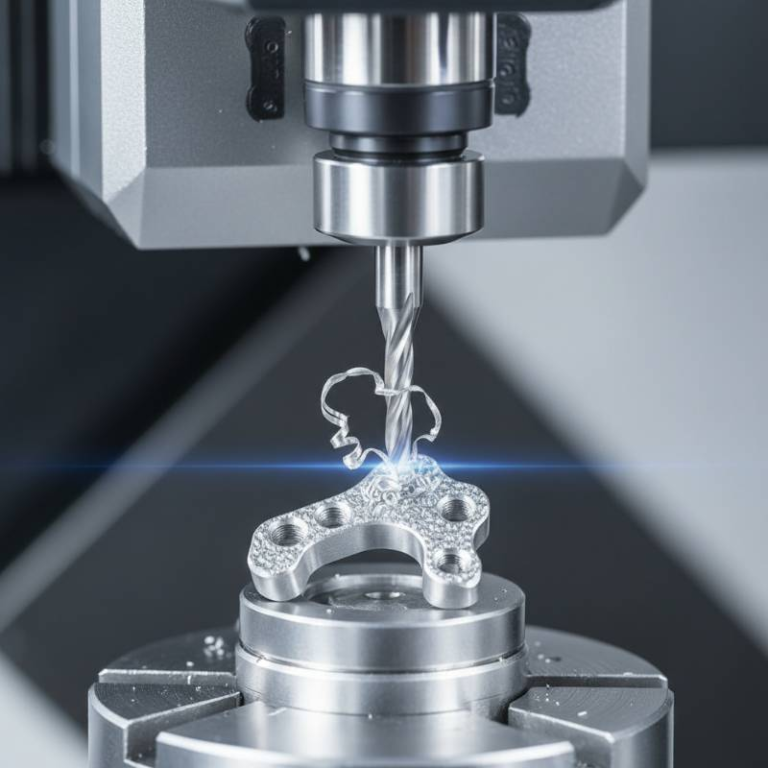
Inconel CNC machining for subsea sensors involves the subtractive manufacturing of nickel-chromium alloy housings designed for extreme marine depths. These components serve as the primary barrier between sensitive electronic transducers and the corrosive, high-pressure environment of the seabed.
Subsea engineering requires materials that exhibit high yield strength and exceptional resistance to pitting and crevice corrosion in seawater.
The process demands extreme precision. A single micron-level error in a seal gland or thread profile can lead to catastrophic sensor failure, resulting in millions of dollars in non-productive time (NPT) for offshore operators.
Material Science: Inconel 718 vs. 625 for Subsea Use
Choosing the right grade of Inconel is the first step in successful Oil & Gas Industry Solutions. While both alloys offer excellent nickel-chromium properties, their mechanical behaviors differ significantly during CNC turning and milling.
| Property | Inconel 718 | Inconel 625 |
|---|---|---|
| Yield Strength (0.2% Offset) | 150,000 psi | 60,000 psi |
| Machinability Rating | Lower (High Work Hardening) | Moderate |
| Primary Benefit | High structural strength | Superior corrosion fatigue |
| Common Application | Pressure-bearing housings | Diaphragms & bellows |
For more detailed technical data, refer to our Material Selection Guide.
The ‘Subsea-Shield’ Protocol: Our Proprietary Machining Methodology
To ensure 100% reliability, we developed the Subsea-Shield Protocol. This framework addresses the inherent instability of machining thin-walled Inconel components.
- Heat-Stress Mapping: We use digital twins to simulate heat generation, ensuring tool paths never exceed the material’s work-hardening threshold.
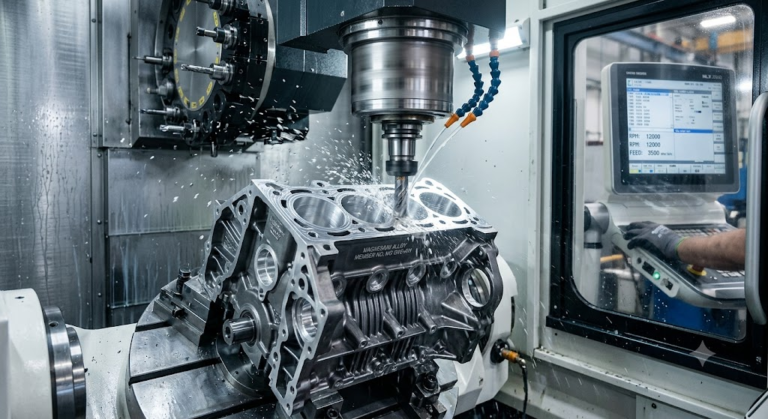
- Dynamic Tool Path Optimization: Implementing trochoidal milling patterns to maintain constant chip load and reduce tool wear management overhead.
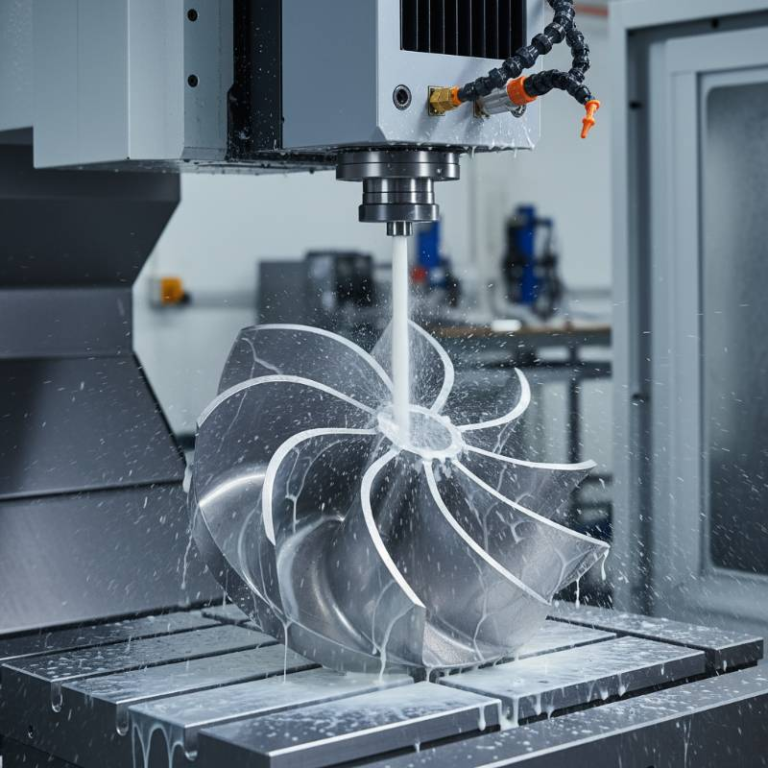
- Cryo-Stabilized Finishing: Utilizing liquid CO2 cooling during final passes to achieve a superior surface finish Ra without inducing surface tension.
- Ultrasonic Integrity Verification: Every sensor housing undergoes non-destructive testing to ensure zero subsurface micro-cracks.
Advanced Machining: 5-Axis Milling and EDM for Complex Geometries
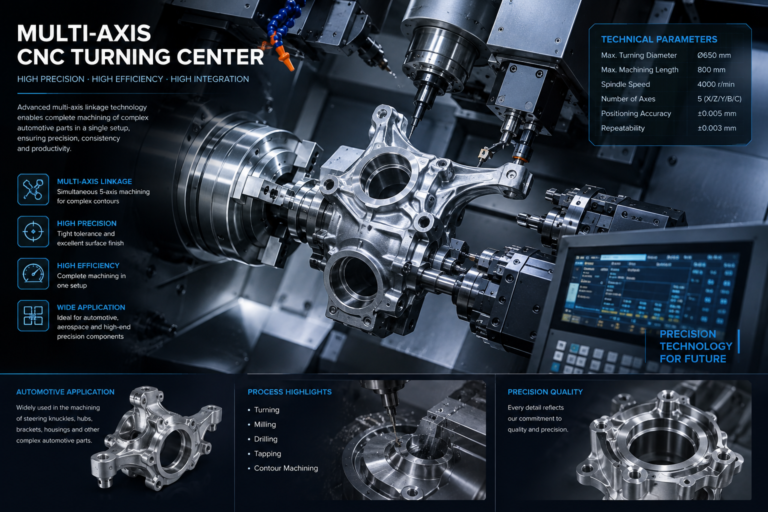
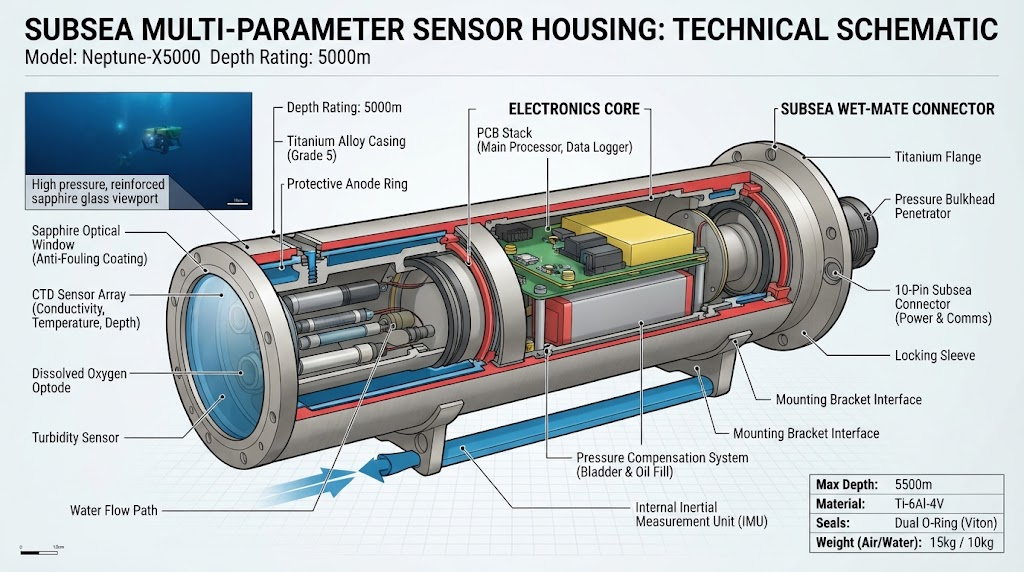
Modern subsea sensors often feature complex internal geometries for cable routing and transducer seating. Traditional 3-axis milling often falls short in achieving the required tolerances.
5-axis CNC milling allows for single-setup machining, which eliminates the stacking errors associated with multiple re-fixtures. For extremely tight internal radii or hardened features, we utilize Electrical Discharge Machining (EDM) to bypass the mechanical stresses of traditional cutting.
Optimizing Tool Life: Ceramic vs. Carbide Inserts in 2026
In our 2026 production tests, we have observed a significant shift in tooling strategy for nickel-chromium alloys. While carbide has been the historical go-to, advanced ceramics are redefining efficiency.
Ceramic inserts allow for cutting speeds up to 10 times higher than carbide. However, they are brittle. We typically use ceramics for heavy roughing of Inconel 718, then switch to PVD-coated carbide inserts for finishing to ensure the sharpest possible edge and best surface integrity.
Cryogenic cooling has also proven to extend tool life by 40% compared to traditional high-pressure flood coolant, specifically when machining the high-nickel content found in Inconel 625.
Compliance and Quality: NACE MR0175 and Pressure Testing
In the oil and gas industry, compliance isn’t optional. All Inconel components destined for subsea use must adhere to NACE MR0175/ISO 15156 standards. This ensures the material is resistant to sulfide stress cracking in “sour” environments containing H2S.
Our quality control process includes:
- Full material traceability (Mill Test Reports).
- Hydrostatic pressure testing up to 20,000 psi.
- Positive Material Identification (PMI) to confirm alloy chemistry.
Case Study: Reducing Micro-Cracking in Thin-Walled Diaphragms
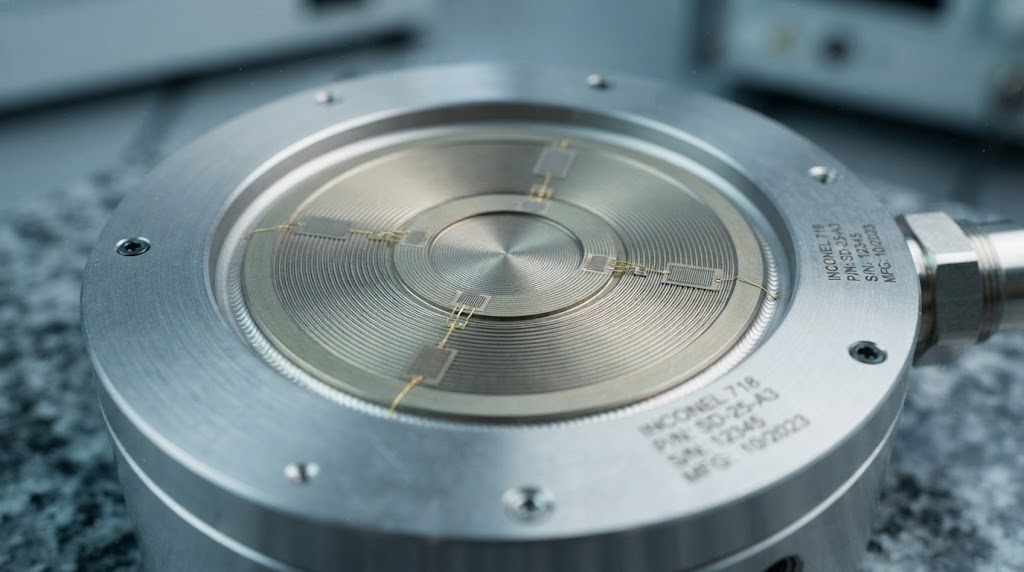
A client recently approached us with a high failure rate in their Inconel 625 pressure sensor diaphragms. The traditional milling process was causing micro-cracking, which led to signal drift under high pressure.
By applying our Subsea-Shield Protocol, specifically high-speed milling with a constant engagement angle, we reduced the mechanical force on the thin-walled sections. The result was a 100% pass rate during signal integrity testing and a 30% increase in the sensor’s operational lifespan.
Frequently Asked Questions about Inconel Machining
Why is Inconel so hard to machine?
Inconel work-hardens rapidly. The heat generated during cutting is not carried away by the chips but remains at the tool-material interface, causing rapid tool wear and potential surface damage.
What is the best Inconel grade for subsea pressure sensors?
Inconel 718 is generally preferred for housings due to its high yield strength. Inconel 625 is often chosen for flexible components like diaphragms because of its superior fatigue resistance.
How do you maintain NACE compliance during machining?
We ensure that the heat treatment of the raw material is preserved and that no contaminants are introduced during the CNC process that could compromise the alloy’s corrosion resistance.
About the Author
This guide was authored by our Lead Subsea Hardware Specialist, who brings over 15 years of experience in metallurgy and precision engineering for the offshore energy sector. Their work focuses on the intersection of material science and advanced CNC protocols to solve the industry’s toughest deepwater challenges.
Technical References & Industry Standards
- NACE International – MR0175/ISO 15156 Standards
- ISO 15156: Materials for use in H2S-containing environments
- ASTM B637: Standard Specification for Precipitation-Hardening Nickel Alloy Bars.