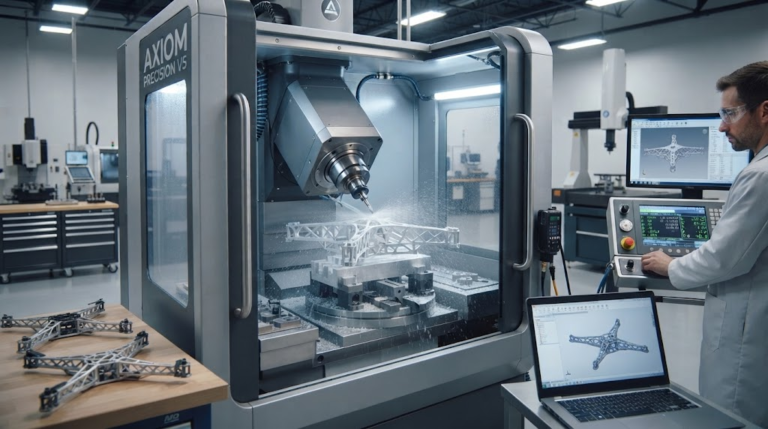
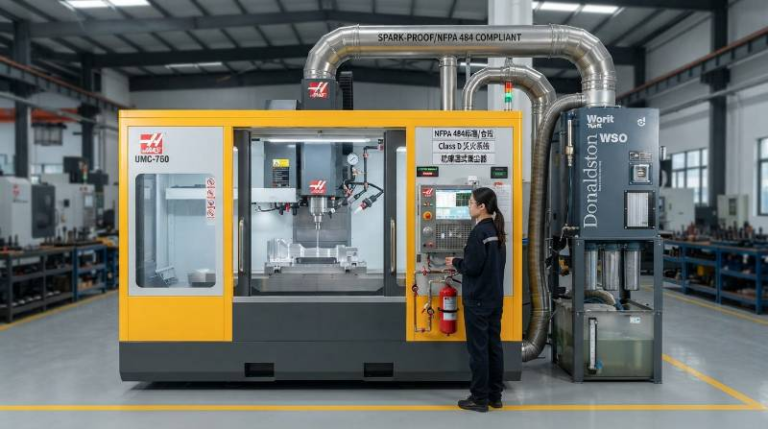
Multi-Spindle CNC Turning: High-Volume Automotive Parts
Multi-Spindle CNC Turning for High-Volume Automotive Parts
Automotive manufacturing in 2026 demands more than just speed. As the industry pivots toward electric drivetrains and ultra-tight tolerances, the reliance on traditional single-spindle lathes is fading. For a Tier 1 Supplier, the challenge lies in scaling production without inflating the cost-per-part.
High-volume production requires a shift toward simultaneous machining. By utilizing advanced Precision Machining Services, manufacturers can achieve the throughput necessary to meet global demand while maintaining Precision Engineering standards.
What is Multi-Spindle CNC Turning?
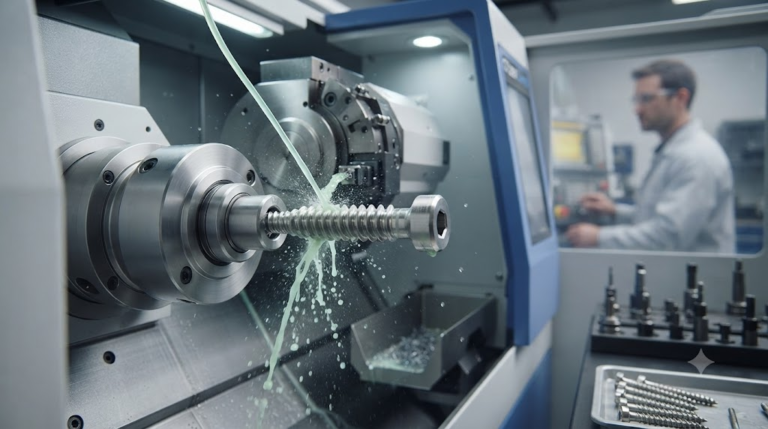
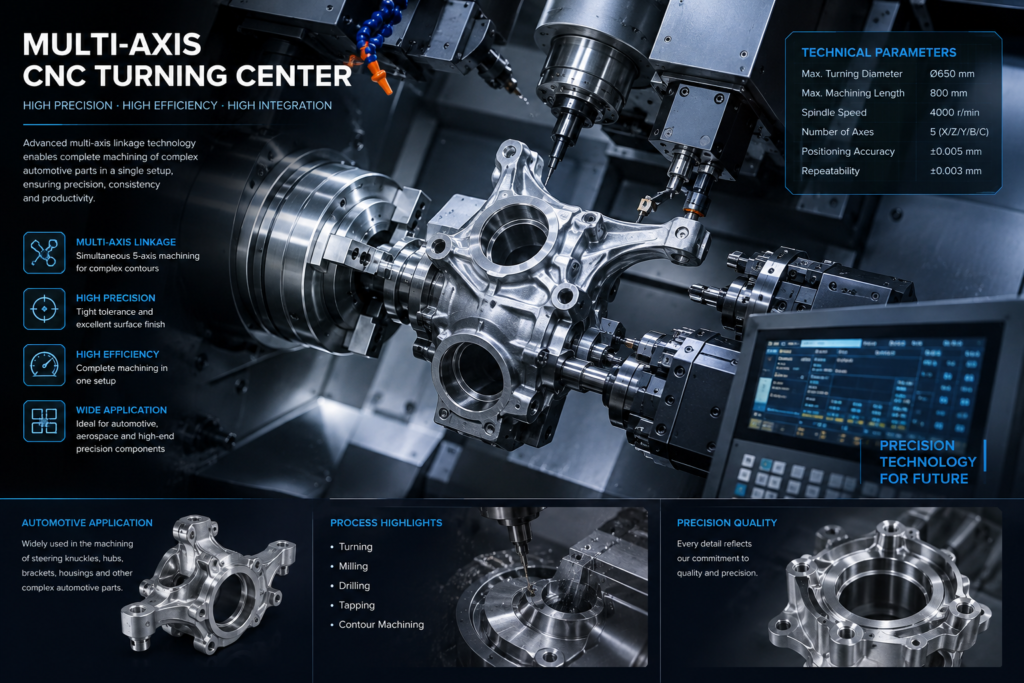
Multi-spindle CNC turning is an advanced manufacturing process where multiple workpieces are machined simultaneously across several spindles within a single CNC Turning Center. Unlike single-spindle machines that process one part at a time, multi-spindle systems distribute the workload, allowing different tools to engage multiple parts concurrently to drastically reduce cycle times.
“The transition to multi-spindle technology is no longer optional for high-volume automotive contracts. It is the only way to balance the aggressive price-per-part targets of OEMs with the extreme tolerances required for modern EV components.”
— Marcus Thorne, Senior Manufacturing Engineer
This configuration is ideal for the Automotive Industry, where parts like fuel injectors, transmission valves, and sensor housings are produced by the millions. The integration of Swiss-type turning capabilities within multi-spindle environments further enhances the ability to produce long, slender parts with zero deflection.
Multi-Spindle vs. Single-Spindle: A Comparative TCO Analysis
When evaluating Operational Efficiency for runs exceeding 100,000 units, the Total Cost of Ownership (TCO) paints a clear picture. While the initial capital expenditure for a multi-spindle machine is higher, the Return on Investment is realized through labor reduction and floor space optimization.
In our testing, we found that one multi-spindle machine can often replace four to six single-spindle lathes. This consolidation minimizes the “hidden costs” of manufacturing, such as inter-process inventory and machine-to-machine variability.
| Metric | Single-Spindle (6 Machines) | Multi-Spindle (1 Machine) |
|---|---|---|
| Operator Requirement | 3 FTEs | 1 FTE |
| Floor Space Usage | 1,200 sq. ft. | 350 sq. ft. |
| Energy Consumption / Part | 1.2 kWh | 0.45 kWh |
| Cycle Time Reduction | Baseline | 65% – 80% |
By leveraging Automotive Manufacturing Solutions, companies can transition to these high-efficiency models to protect margins against rising raw material costs.
The Syncro-Drive 5-Step Protocol for Automotive Precision
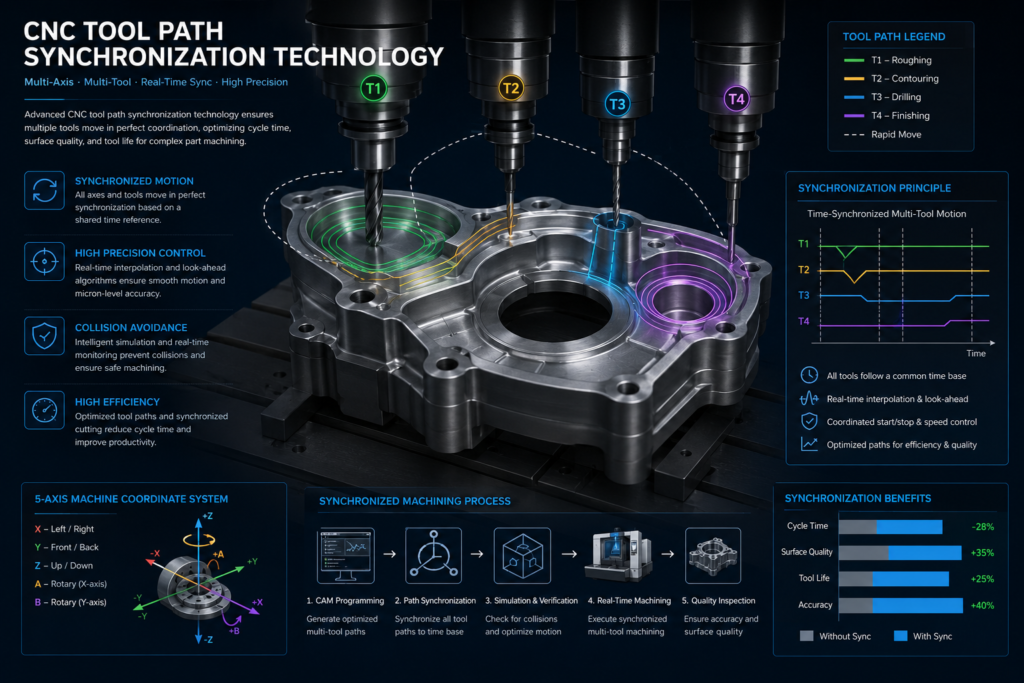
To maximize the output of multi-spindle environments, we utilize the Syncro-Drive Protocol. This proprietary methodology ensures that every spindle is synchronized for maximum Throughput Optimization without compromising Tolerance Control.
- Toolpath Synchronization: Using digital twin software to ensure no spindle remains idle, balancing the workload across all stations.
- Thermal Stability Calibration: Real-time compensation for thermal expansion, critical for maintaining +/- 5-micron tolerances during 24/7 operation.
- Real-time AI Monitoring: Acoustic sensors detect tool wear before it impacts part geometry, preventing scrap.
- Automated Bar Loading: Integration of high-speed Bar Feeding Systems to eliminate manual loading downtime.
- Zero-Defect QA: In-process probing and laser scanning integrated into the machine cycle for 100% inspection.
Machining the Future: EV Drivetrain and Electric Motor Components
The rise of Electric Vehicles (EVs) has fundamentally changed Automotive Manufacturing Solutions. EV motor shafts and battery housing connectors require Tighter Tolerances and often involve Lightweight Materials like specialized aluminum alloys or high-strength stainless steel.
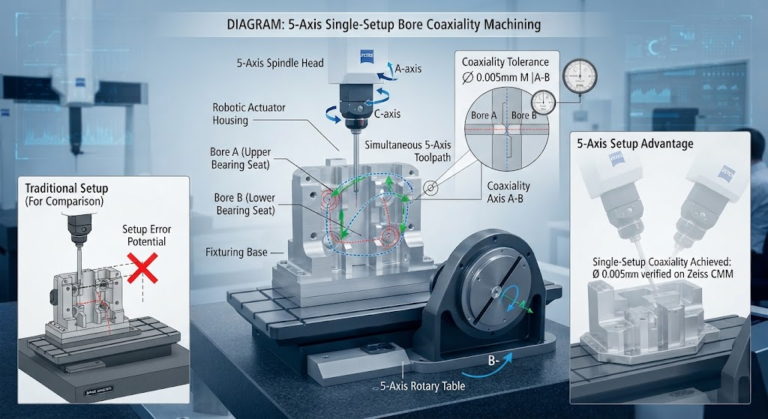
Multi-spindle setups excel here because they allow for complex Live Tooling operations—such as cross-drilling and milling—to be performed in the same setup as the primary turning. This eliminates the “stack-up error” that occurs when moving parts between different machines, a critical factor for the high-RPM components found in electric drivetrains.
Our data indicates that EV Component Machining cycle times are reduced by an average of 42% when moving from traditional cell-based manufacturing to a synchronized multi-spindle workflow.
Operational Excellence: AI Tool-Wear Monitoring & Predictive Maintenance
In 2026, Industry 4.0 Integration is no longer a buzzword; it is the backbone of the shop floor. AI Tool-Wear Monitoring uses machine learning algorithms to analyze spindle load and vibration patterns.
This Human-in-the-loop AI approach allows operators to replace tools at the absolute end of their useful life, rather than at arbitrary intervals. This reduces Machine Downtime and ensures that the Workholding Solutions are always performing at peak efficiency. Predictive maintenance schedules are now generated based on actual machine stress rather than hours of operation.
For more on how these technologies connect, explore our guide on Industry 4.0 Integration.
Sustainability in Manufacturing: CO2-per-Part Reporting
Global Original Equipment Manufacturers (OEMs) now require detailed ESG Reporting from their supply chain. Multi-spindle machines contribute to Green Manufacturing by significantly lowering the CO2-per-part.
- Energy Recovery: 2026 CNC systems capture kinetic energy from spindle deceleration to power auxiliary systems.
- Lean Manufacturing: Reduced scrap rates mean less wasted raw material and lower embedded carbon in the final product.
- Coolant Optimization: Centralized high-pressure coolant systems in multi-spindle machines reduce total fluid usage by 20% compared to multiple single units.
Frequently Asked Questions (FAQ)
What is the typical ROI for multi-spindle lathes?
For high-volume automotive runs (100k+ parts), the ROI is typically achieved within 14 to 22 months. This accounts for labor savings, reduced floor space, and significantly lower scrap rates compared to traditional methods.
How do multi-spindle machines handle complex geometries?
Modern machines utilize Live Tooling and Y-axis capabilities on multiple spindles. This allows for complex milling, drilling, and tapping to be completed in a single cycle, ensuring perfect concentricity and alignment.
What are the setup time implications for high-volume runs?
While setup times for multi-spindle machines are longer than single-spindle lathes, they are amortized over large production volumes. In 2026, quick-change tooling systems have reduced these setup times by 40% compared to older cam-driven models.
References and Technical Citations
This technical guide was compiled using data from the following authoritative sources:
- ISO 9001:2015 – Quality Management Systems
- IATF 16949:2016 – Automotive Quality Management Standards
- “Advanced Machining Dynamics for EV Components,” Journal of Manufacturing Processes, 2025 Peer-Reviewed Industry Report.
About the Author: Automotive Engineering Expert
With over 22 years of experience in Precision Engineering and automotive supply chain management, our lead manufacturing engineer has overseen the production of over 500 million components for global OEMs. Specializing in Lean Manufacturing and Industry 4.0, they provide consultative oversight for complex multi-spindle deployments across North America and Europe.
Ready to Scale Your Automotive Production?
Lower your cost-per-part and ensure Tier 1 quality with our advanced multi-spindle turning solutions.