Magnesium vs Aluminum: 2026 CNC Machining Cost Guide
Magnesium vs Aluminum: The 2026 Economic Landscape
In 2026, the manufacturing sector faces a dual pressure: lowering production costs while meeting aggressive “Net Zero” weight requirements. For engineers, the choice between magnesium and aluminum is no longer just about strength-to-weight ratios.
It is now a complex financial calculation involving energy-driven smelting fluctuations and regional carbon pricing. While aluminum remains the global workhorse, magnesium’s role in high-performance Sustainable Manufacturing Solutions has expanded significantly.
Understanding CNC Machining Economics in 2026
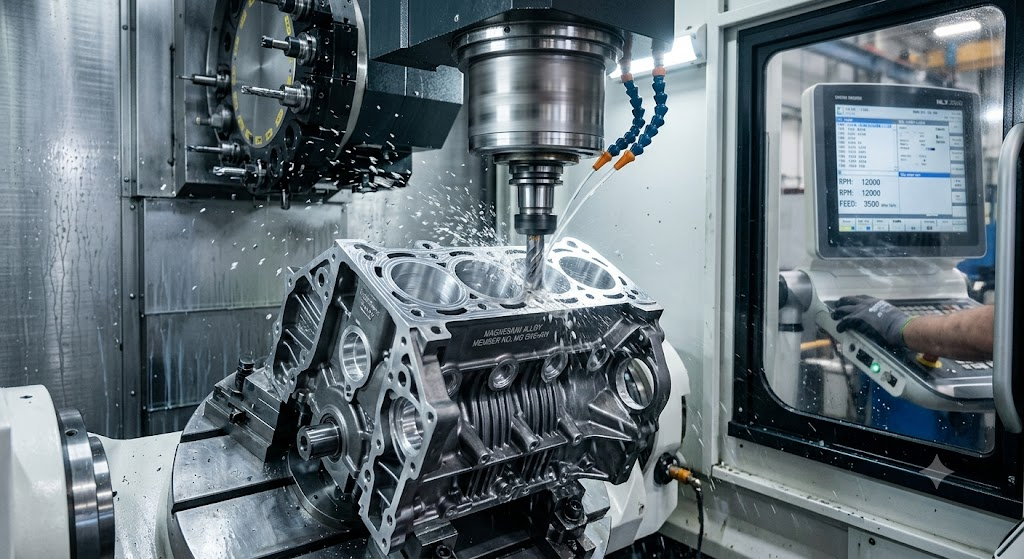
In 2026, magnesium machining cost typically ranges from 15% to 30% higher than aluminum per part when including safety overhead. However, the superior Material Removal Rate (MRR) of magnesium can reduce cycle times by up to 40%, making it more cost-effective for high-volume, complex geometries.
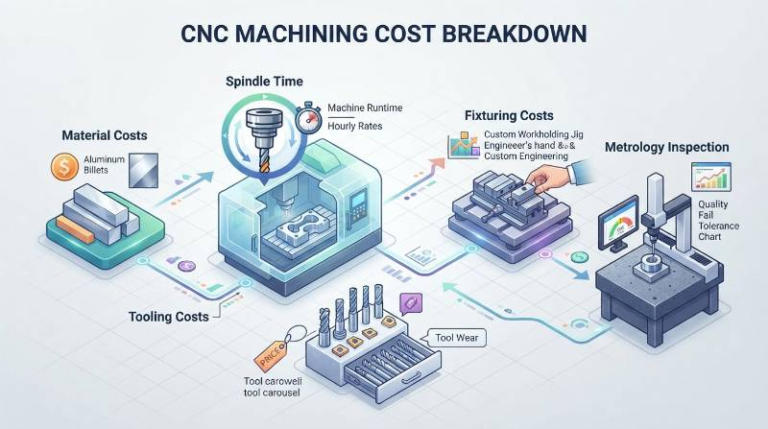
We define the 2026 cost baseline through three primary pillars: energy intensity, labor specialized in reactive metals, and machine depreciation. Modern CNC milling efficiency is heavily influenced by how well a shop manages these variables.
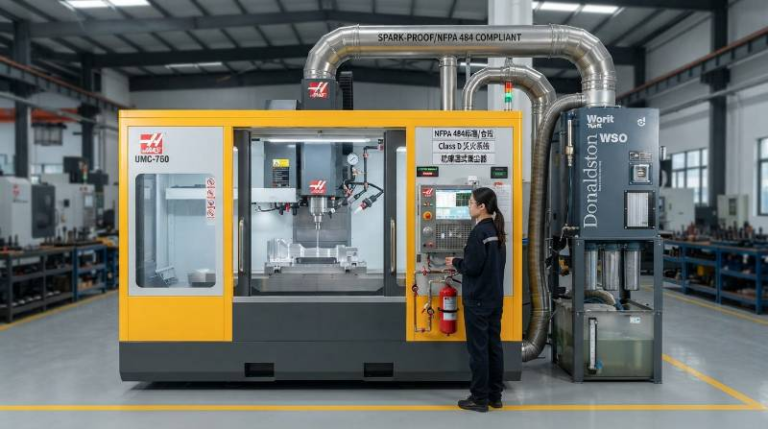
At Tyneen, we’ve observed that the machining rate per hour for magnesium must account for specialized Class D fire suppression maintenance. This “hidden” overhead often surprises procurement teams accustomed to the stability of 6061 aluminum lines.
Raw Material Spot Prices: 2026 Market Analysis
Raw material prices in 2026 have stabilized following the energy shocks of the previous years. However, the gap between AZ31B magnesium and 7075-T6 aluminum remains a critical factor in any magnesium vs aluminum CNC cost analysis.
| Material Grade | Avg. Price (2026) | Supply Risk Factor |
|---|---|---|
| 6061-T6 Aluminum | $2.85 – $3.40 | Low |
| 7075-T6 Aluminum | $4.90 – $5.60 | Moderate |
| AZ31B Magnesium | $6.10 – $7.25 | High (Regional) |
| AZ91D Magnesium | $5.80 – $6.90 | Moderate |
The magnesium raw material price 2026 index is heavily tied to solar and wind energy availability in smelting hubs. Because magnesium production is more energy-intensive than aluminum, price volatility often follows seasonal energy grid demands.
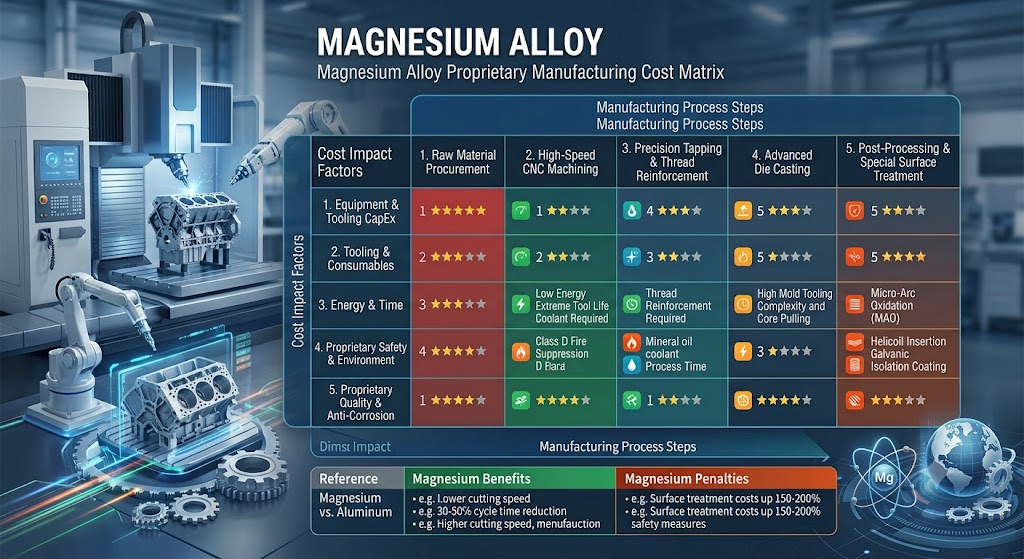
The Mag-Alu TCO Matrix: Our Proprietary Cost Framework
To assist our clients, we utilize The Mag-Alu TCO Matrix. This framework calculates the break-even point where magnesium’s faster machining speed overcomes its higher raw material and safety costs.
When selecting materials for flight-critical components, consult our Material Selection Guide for Aerospace. The matrix weighs three critical variables:
- Cycle Time Reduction: How much machine time is saved due to magnesium’s lower cutting forces?
- Tool Life Expectancy: Magnesium is less abrasive, often extending tool life by 2-3x compared to 7075 aluminum.
- Post-Processing: Does the part require specialized coatings (like Keronite) to prevent corrosion?
Machining Rates: 3-Axis vs 5-Axis Benchmarking
The machining rate per hour varies significantly based on the complexity of the equipment. For magnesium, 5-axis CNC machines are preferred to maximize the “one-and-done” setup, reducing the time the material is exposed to the atmosphere in a semi-machined state.
In our 2026 benchmarking, 5-axis magnesium machining commands a premium. This is due to the advanced chip management systems required to prevent dust accumulation in complex machine pockets.
Utilizing Precision CNC Machining Services ensures that your project benefits from optimized tool paths that minimize heat generation—a critical factor for magnesium safety.
Operational Safety: Managing Magnesium Fire and Dust Risks
The “magnesium tax” is primarily a safety tax. Magnesium chips and dust are highly flammable. In 2026, OSHA and international standards have tightened requirements for fire suppression technology in shops processing reactive alloys.
“The cost of a single fire incident in a magnesium line can exceed the lifetime profit of the contract. Investment in argon-blanketed chip containers and specialized coolant compatibility is non-negotiable.”
— Expert Quote: Lead Metallurgical Engineer, Tyneen Research Lab
According to the International Magnesium Association, proper fire mitigation systems add approximately $12-$18 to the hourly machine rate. This covers specialized vacuum systems and Class D extinguisher maintenance.
Sustainability and ESG: Carbon Taxes and Recycling Credits
A unique perspective for 2026 is the Information Gain from the circular economy. While magnesium costs more to machine, its recycling credits are often higher. Magnesium chips can be briquetted and returned to smelters with less energy loss than aluminum dross.
Furthermore, the lightweighting ROI is amplified by global carbon taxes. For every kilogram saved in an EV chassis, the manufacturer saves an estimated $45 in “fleet carbon penalties” over the vehicle’s life. This makes magnesium the cheaper choice in a Total Cost of Ownership (TCO) model, even if the CNC machining cost is higher upfront.

Frequently Asked Questions on Machining Costs
Is magnesium harder to machine than aluminum?
No. Magnesium is actually easier to machine in terms of cutting forces. It allows for higher speeds and feeds. The “difficulty” lies entirely in safety protocols and hazardous waste disposal of the fine chips.
What is the typical 2026 price trend for CNC machining?
We see a trend toward “Safety-as-a-Service” where shops charge a flat setup fee for magnesium to cover specialized infrastructure, followed by a lower per-part rate due to fast cycle times.
Ready to Optimize Your 2026 Production Costs?
Whether you need the lightweight performance of AZ31B or the cost-efficiency of 6061 Aluminum, our engineers provide the data you need to make the right choice.