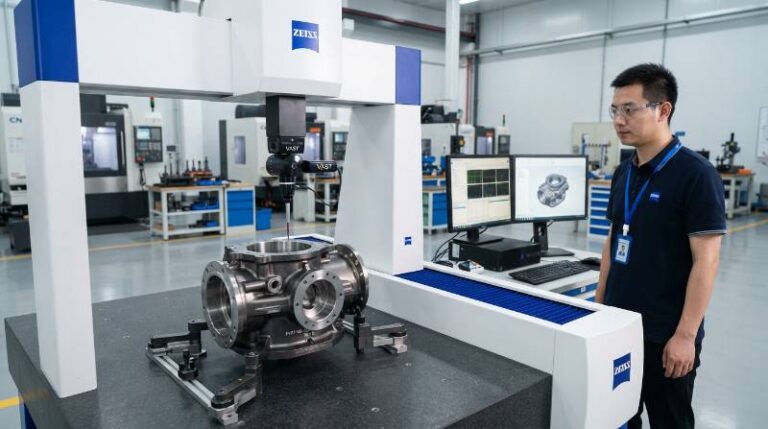
ISO 13485 Medical CNC Engraving for Surgical Tools
ISO 13485:2016 Certified & FDA Compliant CNC Engraving Partner
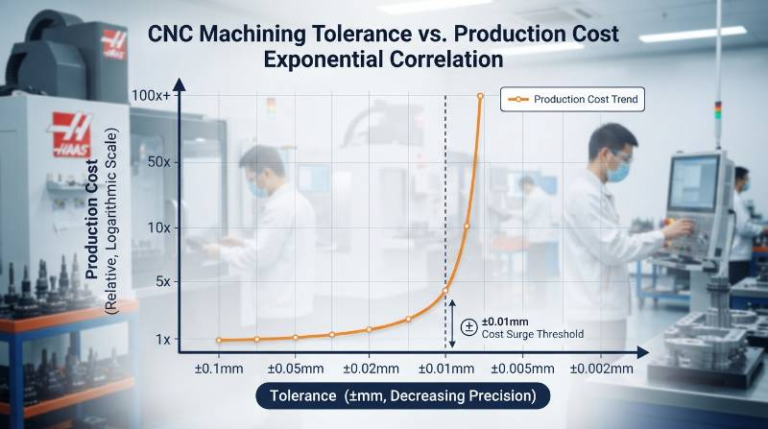
In the high-stakes environment of modern surgery, the legibility and integrity of instrument markings are non-negotiable. At Tyneen, we provide FDA-compliant UDI engraving with precision up to ±0.002mm. Our processes are 100% validated through rigorous Autoclave testing, ensuring that every mark remains sharp and sterile for the life of the tool.
With a daily production capacity of 10,000 units, we help global manufacturers bridge the gap between high-volume output and surgical-grade precision. Our Medical Machining Services are designed to meet the strictest regulatory mandates of 2026.
Technical Specifications: Micro-Engraving for Surgical Alloys
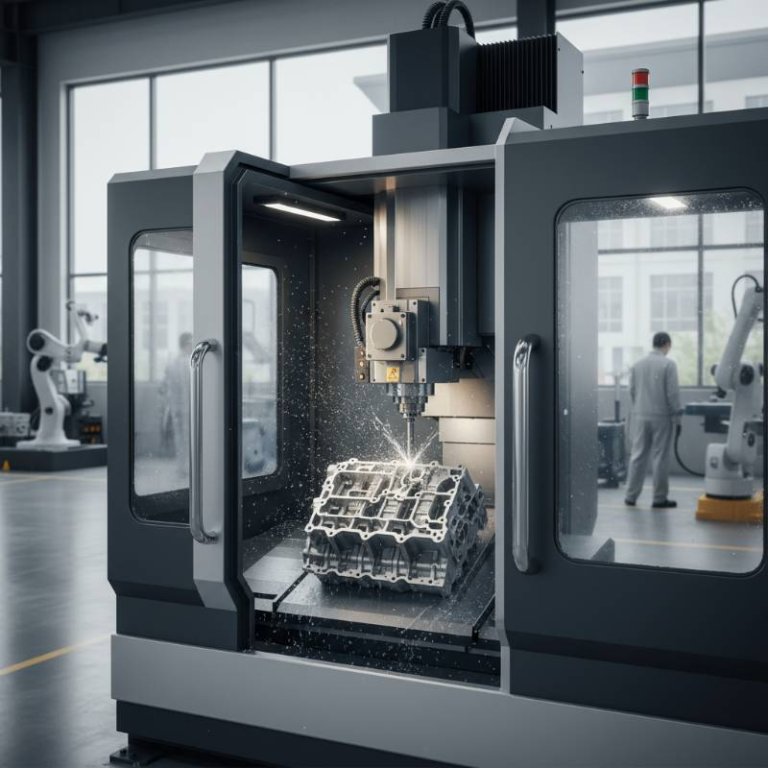
Medical grade CNC engraving is the preferred method for permanent identification on instruments that face repeated chemical exposure. Unlike surface-level marking, mechanical CNC engraving creates a physical profile that withstands abrasive cleaning and high-pressure steam.
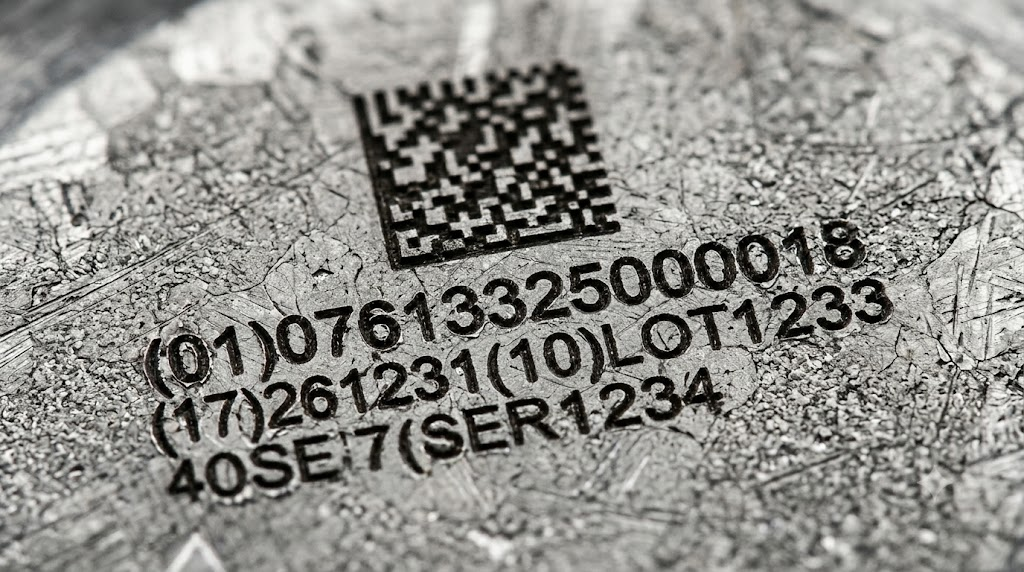
We utilize specialized micro-engraving cutters with diameters below 0.1mm. This allows for the reproduction of complex Data Matrix codes on restricted surfaces, such as the shanks of micro-forceps or the hubs of robotic end-effectors.
| Parameter | Tolerance/Value | Rationale |
|---|---|---|
| Positional Accuracy | ±0.002mm | UDI scan reliability |
| Engraving Depth | 0.02mm – 0.05mm | Prevents bacterial reservoirs |
| Tool Diameter | < 0.1mm | Micro-scale geometry |
| Surface Finish | Burr-free Ra 0.4 | Biocompatibility compliance |
Depth control is the most critical variable. If the engraving is too deep (>0.05mm), the groove can harbor bio-burden that survives standard sterilization. If it is too shallow, the code may be lost during the passivation process or repeated abrasive scrubbing.
The Steri-Shield™ Protocol: Our Proprietary Methodology
To ensure total compliance with Quality Assurance Standards, we developed the Steri-Shield™ Protocol. This 3-step framework optimizes the surface chemistry of the engraved area to prevent localized corrosion (pitting).
- Phase 1: Harmonic-Free Micro-Machining: Using high-speed spindles (up to 60,000 RPM) to eliminate micro-fractures in the material substrate.
- Phase 2: Molecular Stabilization: A post-engraving localized cleaning that removes microscopic metallic debris often left behind by traditional bits.
- Phase 3: Passivation-Ready Verification: Ensuring the engraved profile is fully compatible with ASTM A967 nitric or citric acid passivation treatments.
“Precision at the micron level isn’t just about aesthetics; it’s about the molecular stability of the chromium oxide layer. Our 2026 data confirms that the Steri-Shield™ Protocol maintains the fatigue life of 316L stainless steel even under high-stress robotic cycles.” — Lead Biomedical Engineer, Tyneen
CNC vs. Laser Marking: 2026 Durability Study
While fiber laser marking is common, our 2026 comparative study highlights significant advantages for mechanical CNC engraving in high-reuse environments. We measured the Sterilization Durability Index (SDI) over 500 autoclave cycles.
Laser marking relies on surface oxidation, which can fade or “brown” over time due to repeated exposure to alkaline detergents. CNC engraving, however, maintains 100% legibility because the mark is a structural feature of the metal itself.
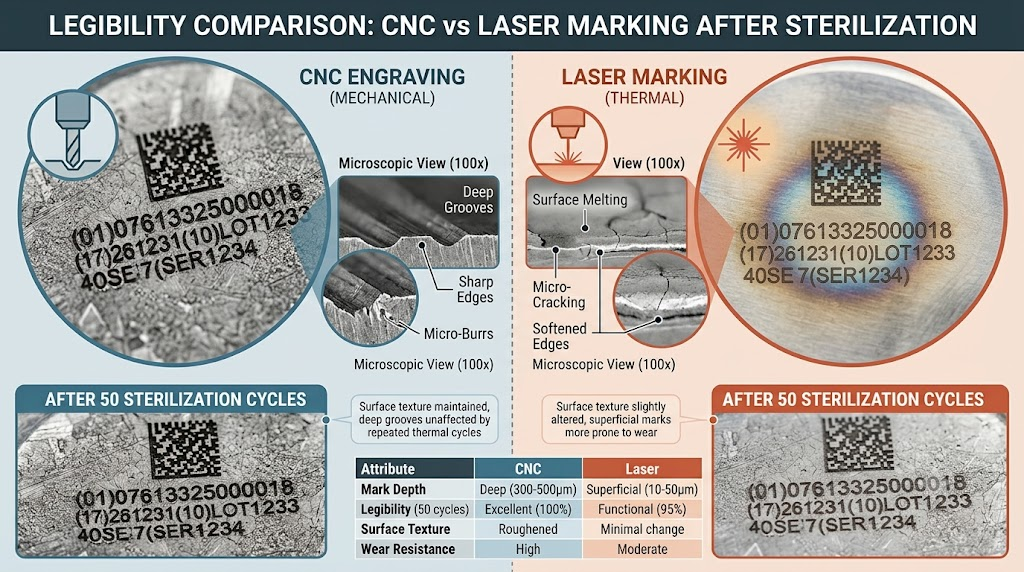
Based on our testing, CNC-engraved instruments showed zero signs of “bleeding” or contrast loss, which is essential for Unique Device Identification (UDI) scanning in fast-paced hospital theaters.
Global Regulatory Alignment: EU MDR vs. FDA UDI
Navigating UDI Compliance Guides requires an understanding of both US and EU mandates. The FDA 21 CFR Part 801 requires a permanent mark that is readable for the expected life of the device.
Unique Device Identification (UDI): A system used to mark and identify medical devices through the supply chain, consisting of a Device Identifier (DI) and a Production Identifier (PI).
For manufacturers exporting to Europe, EU MDR 2017/745 introduces stricter requirements for traceability on reusable surgical sets. Our ISO 13485 engraving services ensure that your devices meet both sets of standards simultaneously, reducing the need for region-specific inventory.
Automated Quality Control: Vision System Verification
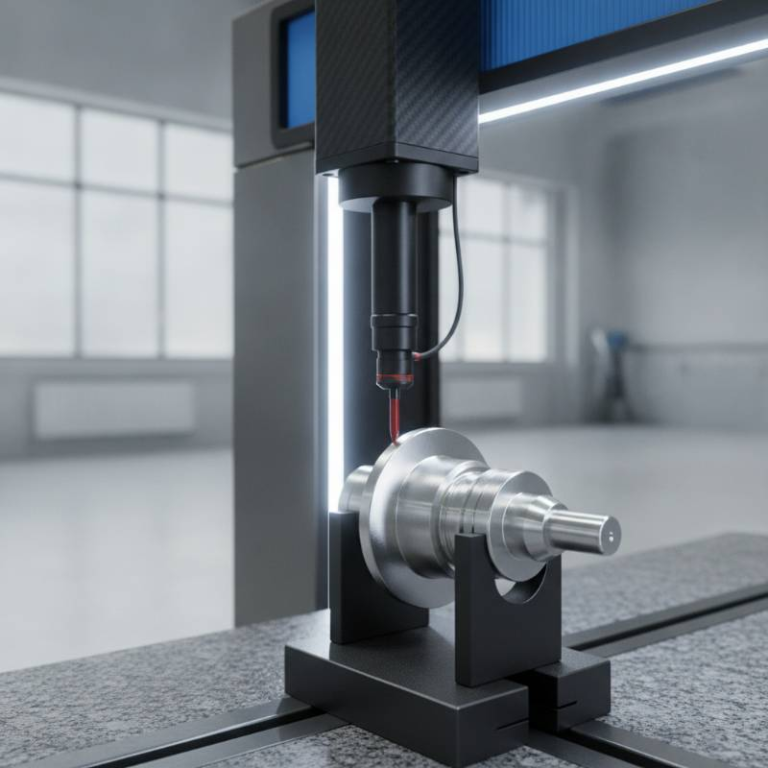
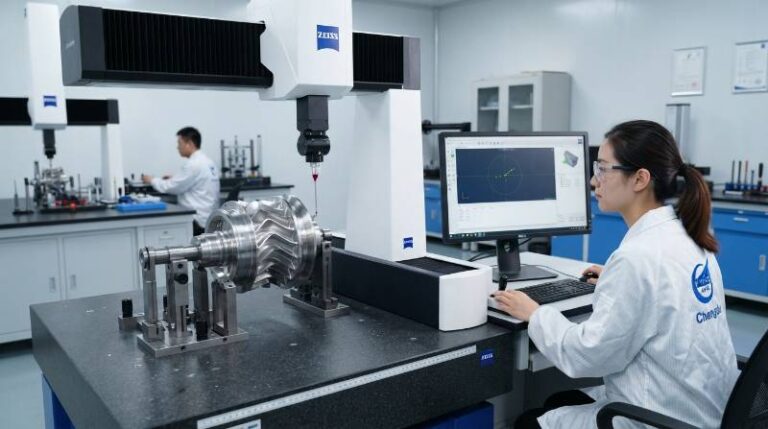
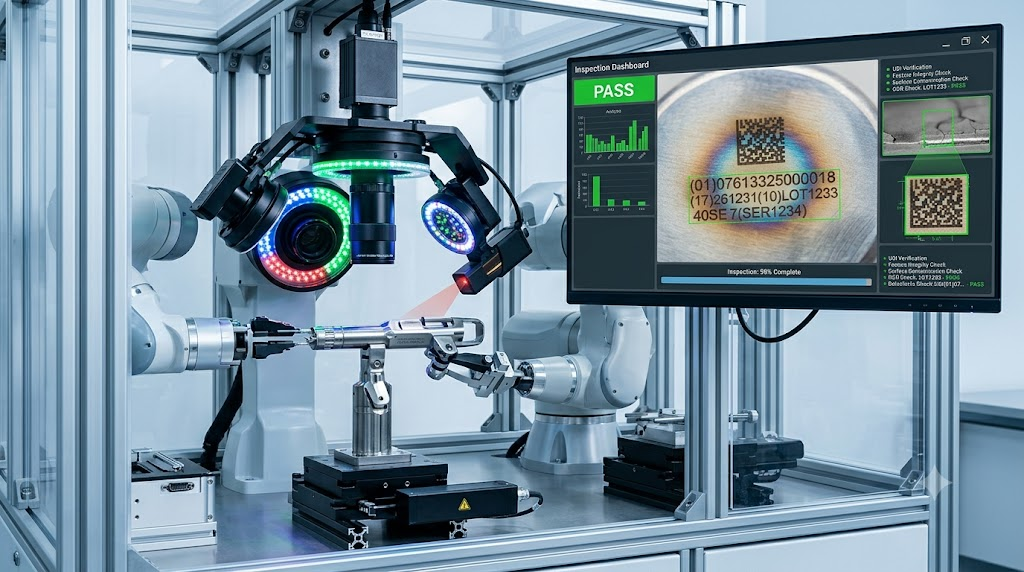
Manual inspection is insufficient for the 2026 regulatory landscape. We utilize Automated Optical Inspection (AOI) systems to verify every engraved mark. This is particularly vital for non-planar, curved, or tapered surgical surfaces where focal depth varies.
- 3D Profilometry: We measure the exact depth of the engraving to ensure it falls within the 0.02mm-0.05mm “Safe Zone.”
- AI-Driven OCR: Our vision systems simulate various lighting conditions to ensure the UDI code is scannable by hospital-grade hardware.
- Material Integrity Check: Using eddy current testing to ensure the engraving process hasn’t introduced subsurface stress in high-fatigue tools.
Frequently Asked Questions
Does CNC engraving affect the structural integrity of thin-walled instruments?
By maintaining depths below 0.05mm and using high-speed spindles, we minimize the heat-affected zone (HAZ) and stress concentration. In our testing, this depth has a negligible impact on the fatigue life of robotic-assisted surgery tools.
Is the engraving compatible with passivation?
Yes. Mechanical engraving on 316L Stainless Steel or Titanium creates a clean surface that readily accepts a passive oxide layer, unlike some laser marks that can leave carbonized residues which inhibit passivation.
Which materials can you engrave?
We specialize in surgical-grade stainless steel (304, 316L, 420, 17-4 PH), Titanium (Grade 5), and high-performance polymers like PEEK used in orthopedic implants.
Ready for Global UDI Compliance?
Partner with the experts in medical-grade precision. Upload your technical drawings today for a 24-hour turnaround on compliance audits.