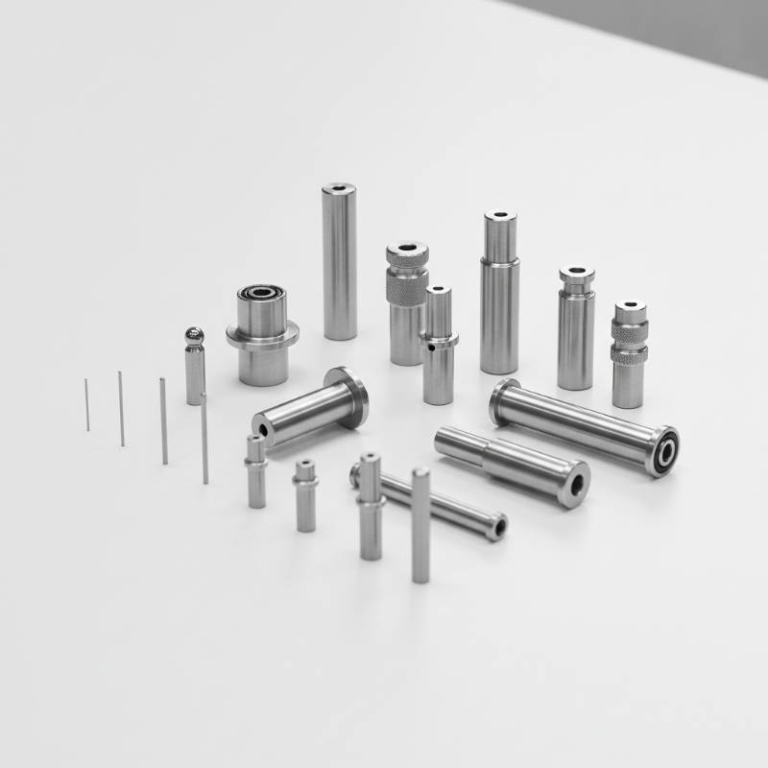
Precision Grinding Services: Sub-Micron CNC Machining
At Tyneen, we provide the infrastructure and expertise to bridge the gap between complex CAD models and physical components that perform flawlessly in high-stress environments. Our ultra-precision CNC grinding services are designed for projects where a single micron is the difference between mission success and catastrophic failure.
Defining Sub-Micron Precision in Modern Manufacturing
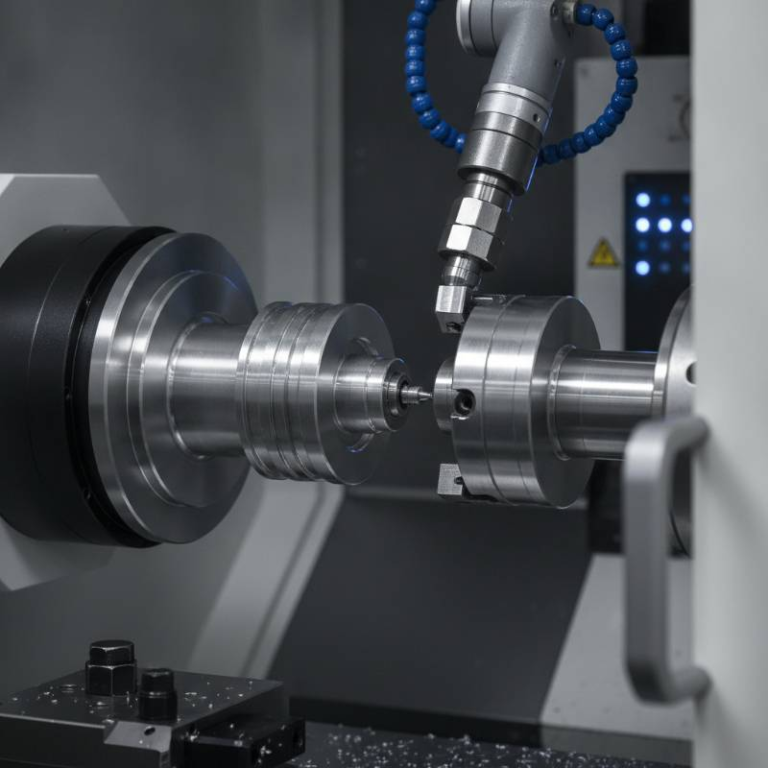
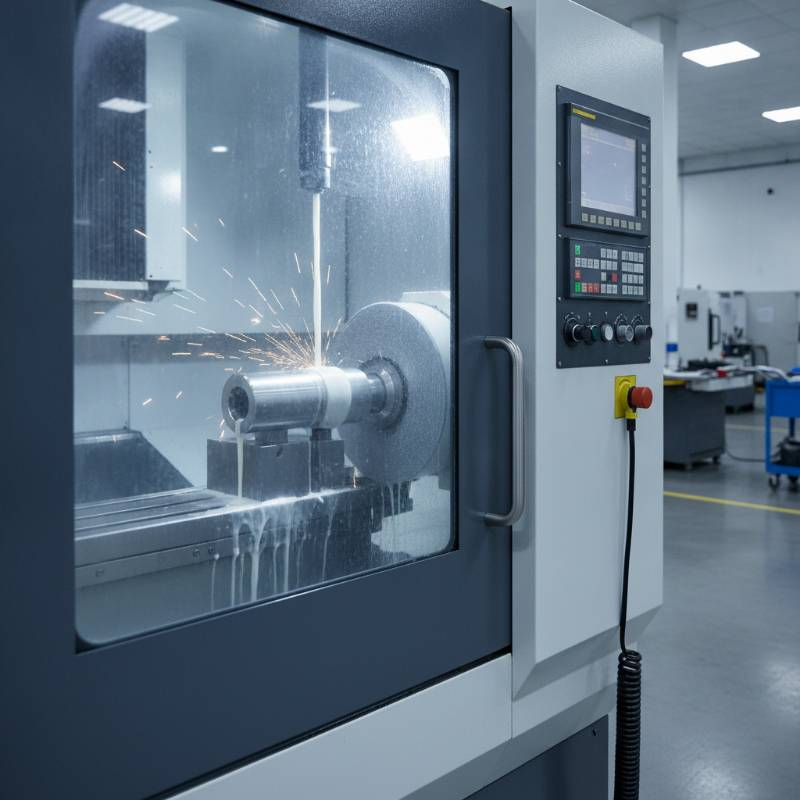
Ultra-precision CNC grinding is a specialized abrasive machining process that achieves dimensional tolerances and geometric accuracies below 1 micron (0.001mm). By utilizing hydrostatic bearings and diamond grinding wheels, this service ensures surface roughness (Ra) levels that approach mirror finishes while maintaining rigid geometric dimensioning and tolerancing (GD&T) standards.
“Ultra-precision” is defined by the ability to repeatably produce features that are smaller than the wavelength of visible light. While standard grinding handles thousandths of an inch, sub-micron grinding operates in the realm of nanometers.
Achieving these results requires a departure from traditional “cut and measure” workflows. We focus on surface finish optimization by controlling every variable—from the chemical composition of the coolant to the molecular stability of the machine bed. This level of tight tolerance machining service is no longer a luxury; it is a requirement for 2026 semiconductor and aerospace sectors.
The Nano-Stability Protocol: Our Proprietary 5-Step Process
To guarantee sub-micron tolerance grinding, we developed the Nano-Stability Protocol. This framework moves beyond standard operating procedures to address the environmental factors that typically degrade accuracy.
- Environmental Vibration Dampening: Machines are mounted on isolated inertia blocks to negate seismic interference and facility floor tremors.
- Thermal Locking: Our 2026 climate-controlled facility maintains a constant temperature within ±0.1°C, preventing the expansion or contraction of workpieces.
- Hydrostatic Synchronization: Use of oil-film bearings to eliminate friction and “stick-slip” motion during micro-travels.
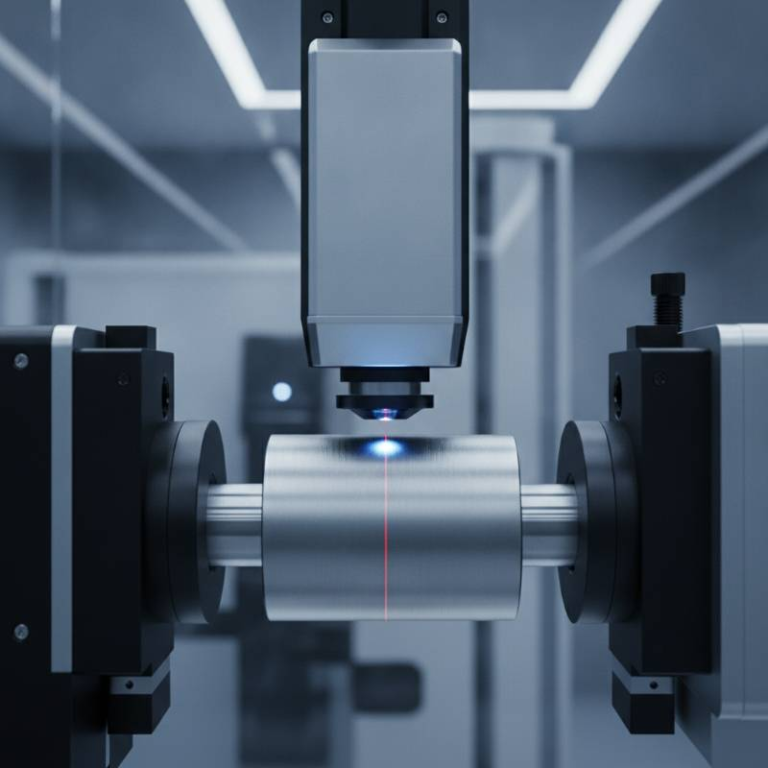
- In-Situ Metrology: Real-time laser interferometry checks the part’s dimensions without removing it from the fixture.
- Molecular Stress Relief: Strategic dwell times between grinding passes allow the material to stabilize, ensuring long-term geometric accuracy.
This proprietary methodology allows us to function as a premier precision grinding company for global innovators. We don’t just grind parts; we manage the physics of the grinding environment.
2026 Innovation: AI-Driven Compensation vs. Manual Calibration
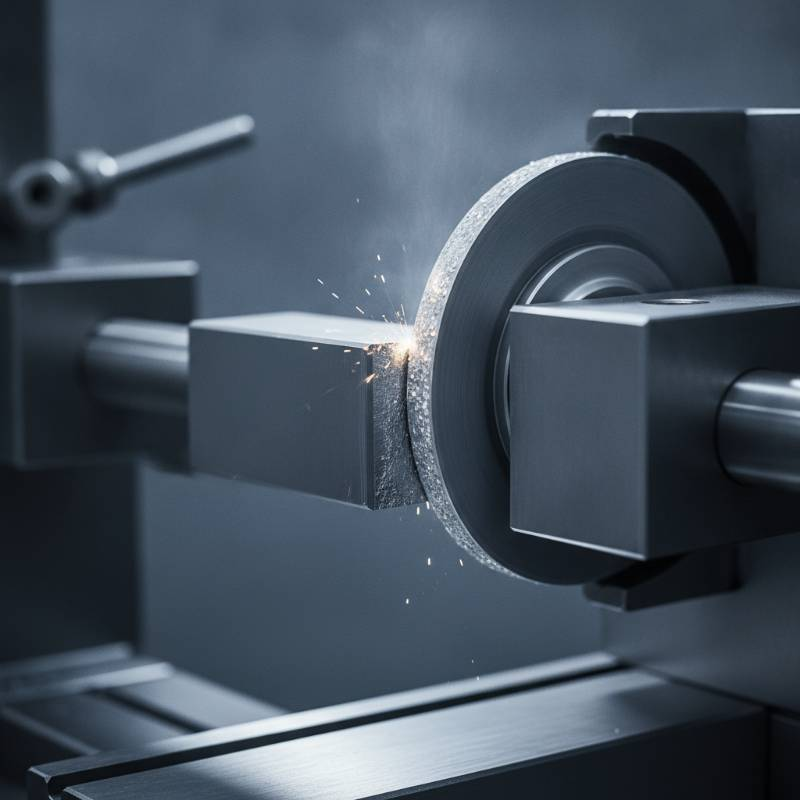
The biggest shift in 2026 is the move toward AI-driven real-time compensation. Historically, a master machinist would manually adjust for tool wear based on experience. Today, neural networks analyze sensor data from the spindle to predict wear patterns in diamond grinding wheels before they affect the part.
This technology is particularly vital when working with Tungsten Carbide or technical ceramics. Furthermore, hybrid laser-assisted grinding is quickly replacing traditional methods for brittle components. By using a laser to locally soften the material interface, we can achieve higher material removal rates without inducing sub-surface micro-cracks.
Our data shows that AI-integrated systems reduce scrap rates by 40% compared to traditional manual calibration. This ensures that your ultra-precision CNC grinding project remains on schedule and within budget, even when using the most “un-machinable” exotic alloys.
Industry Applications: From Aerospace to Semiconductors
Precision is relative to the application. What is considered “tight” in general manufacturing is often “loose” in the industries we serve.
- Aerospace Turbine Component Finishing: Ensuring thermal stability in machining for high-pressure blades to maximize fuel efficiency. Learn more about our Aerospace Component Manufacturing.
- Semiconductor Wafer Handling: Fabricating ceramic end-effectors that require absolute flatness to prevent wafer damage during high-speed transport.
- Medical Implant Surface Texturing: Utilizing creep feed grinding to create specific surface profiles for better osseointegration. See our Medical Device Fabrication.
- Optical Lens Mold Fabrication: Achieving surface roughness (Ra) values in the single-digit nanometer range for contact lens and camera molds.
As a core provider of Precision Machining Services, we understand that every industry has unique regulatory and material requirements.
Metrology & Quality: CMM Verification and Interferometry
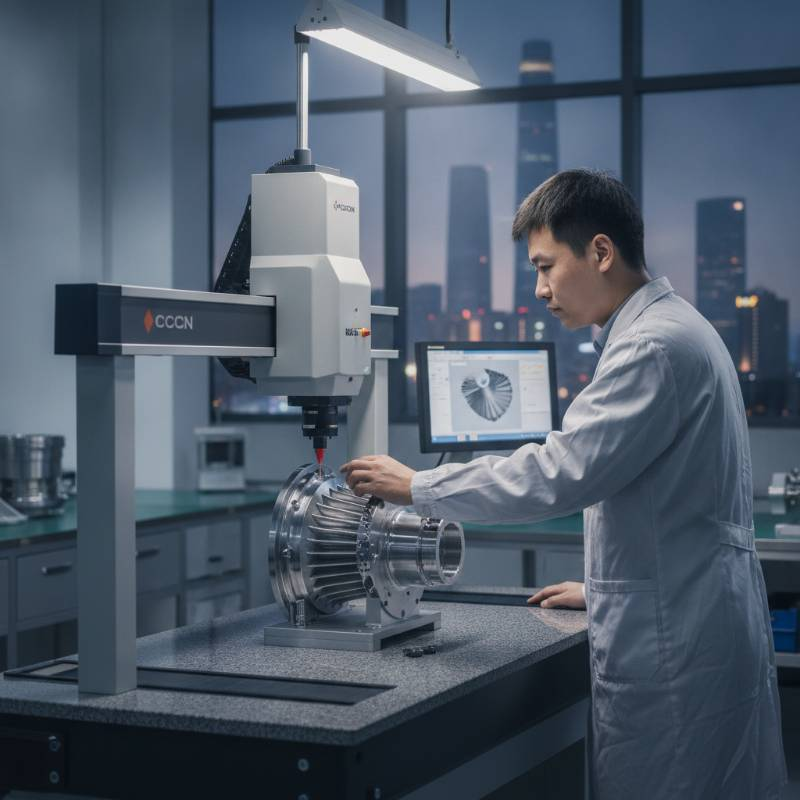
You cannot claim precision that you cannot measure. Our quality lab is the heart of our facility, featuring advanced Coordinate Measuring Machine (CMM) technology and white-light interferometry.
We maintain strict ISO 9001 Certification and AS9100 standards. Every part undergoes in-process gauging to catch deviations before they exceed limits. This rigorous approach to metrology and inspection is why leading OEMs trust us with their most critical tight tolerance machining service needs.
Total Cost of Ownership (TCO) & Lead-Time Transparency
Procurement for ultra-precision parts often focuses on the initial quote, but the Total Cost of Ownership (TCO) is where the true value lies. High-precision grinding reduces assembly time, eliminates the need for “matching” pairs, and significantly extends the service life of the component.
| Feature | Standard Grinding | Ultra-Precision (Tyneen) |
|---|---|---|
| Tolerance Range | ±0.010mm | ±0.0005mm |
| Surface Finish (Ra) | 0.4 – 0.8 µm | <0.05 µm |
| Calibration | Manual / Periodic | AI Real-Time / Continuous |
| Assembly Fit | Requires Hand-Lapping | Drop-in Ready |
By integrating Digital Twin technology, we provide real-time updates on production status. This Industry 4.0 approach ensures that our clients have full visibility into lead-time transparency, allowing for better supply chain synchronization.
Frequently Asked Questions about Precision Grinding
Can you achieve sub-micron repeatability on large production runs?
Yes. Through our Nano-Stability Protocol and automated in-process gauging, we maintain sub-micron repeatability across thousands of units. Our 2026 facility standards ensure that the 1,000th part is identical to the first.
What is the maximum material hardness you can grind?
We routinely work with materials exceeding 70 HRC, including Tungsten Carbide, technical ceramics, and hardened tool steels. Our use of vitrified cBN and diamond wheels ensures clean cuts without thermal damage.
How do environmental factors affect my part’s tolerances?
Environmental factors like humidity and ambient vibration can cause micron-level shifts. This is why we utilize climate-controlled zones and hydrostatic foundations to isolate the workpiece from external variables.
Ready for Sub-Micron Perfection?
Partner with Tyneen for your most challenging ultra-precision CNC grinding projects. Our 2026-ready facility and expert metrologists are standing by.