2026 Mold Manufacturing: Mexico vs. Vietnam Comparison
The2026 Landscape of Nearshore Mold Manufacturing
Global supply chains in 2026 have shifted from “just-in-time” to “just-in-case” resilience. For manufacturers serving the North American and European markets, the choice between Mexico and Vietnam is no longer just about hourly labor rates. It is about geopolitical stability and technical maturity.
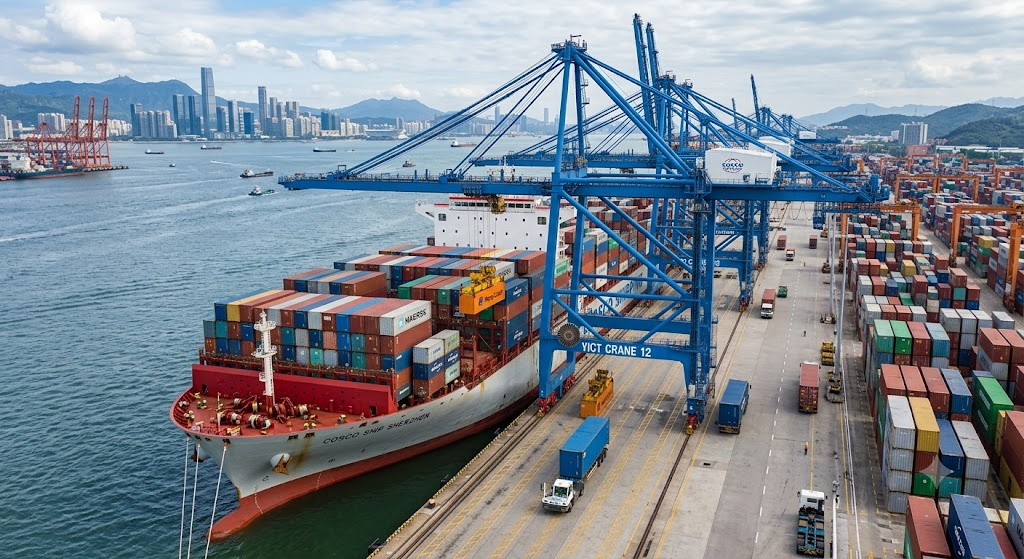
The acceleration of nearshore mold manufacturing is driven by a need to bypass volatile shipping lanes and unpredictable tariff fluctuations. Companies are now optimizing for total lifecycle value rather than initial purchase price.
Defining the China+1 Tooling Strategy for 2026
Nearshore mold manufacturing in 2026 is dominated by Mexico for regional proximity and Vietnam for cost-efficient scalability. For US-based firms, Mexico offers superior USMCA tariff protection, while Vietnam serves as the primary hub for high-precision electronics under the China+1 model.
The China+1 strategy is a risk management approach where businesses diversify their manufacturing base beyond China. In 2026, this has evolved into a sophisticated balance of domestic production and regional hubs.
“China+1 Tooling Strategy: The practice of maintaining primary mold production in China while establishing secondary, high-response tooling capabilities in Mexico or Vietnam to mitigate supply chain disruptions and tariff exposure.”
By leveraging Global Injection Molding Services, brands can maintain quality standards while spreading their geographic risk across multiple borders.
The TCO-5 Framework: Calculating 5-Year Total Cost of Ownership
At Tyneen, we utilize the proprietary TCO-5 Methodology to evaluate the true cost of a mold over its functional lifespan. Most procurement teams make the mistake of looking only at the “landed cost.”
The TCO-5 Framework analyzes five critical pillars:
- Initial Capex: The design and build cost of the tool.
- Logistics Velocity: Freight, duties, and the cost of capital during transit.
- Maintenance & Repair: Ease of access to local tool shops for engineering changes.
- 2026 Carbon Tax: New environmental levies on long-haul sea freight.
- End-of-Life Recovery: Recycling and material reclamation value.
In 2026, the introduction of the Global Carbon Border Adjustment Mechanism (GCBAM) has significantly increased the cost of shipping large steel molds from Vietnam to North America. Mexico, utilizing rail and truck logistics, often bypasses these specific maritime emissions penalties.
Mexico: USMCA Compliance and Automotive Mold Expertise
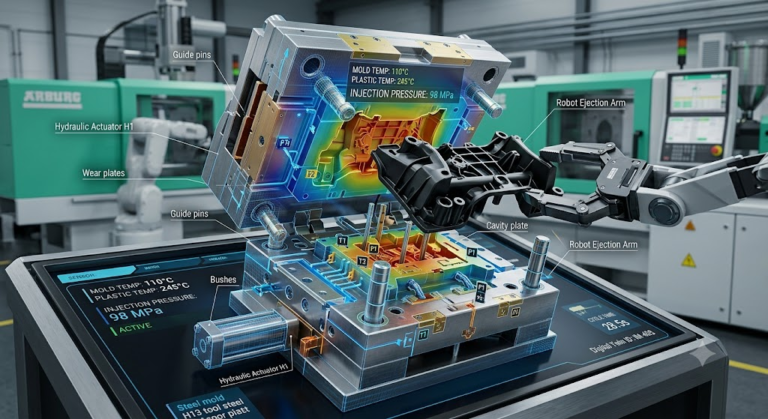
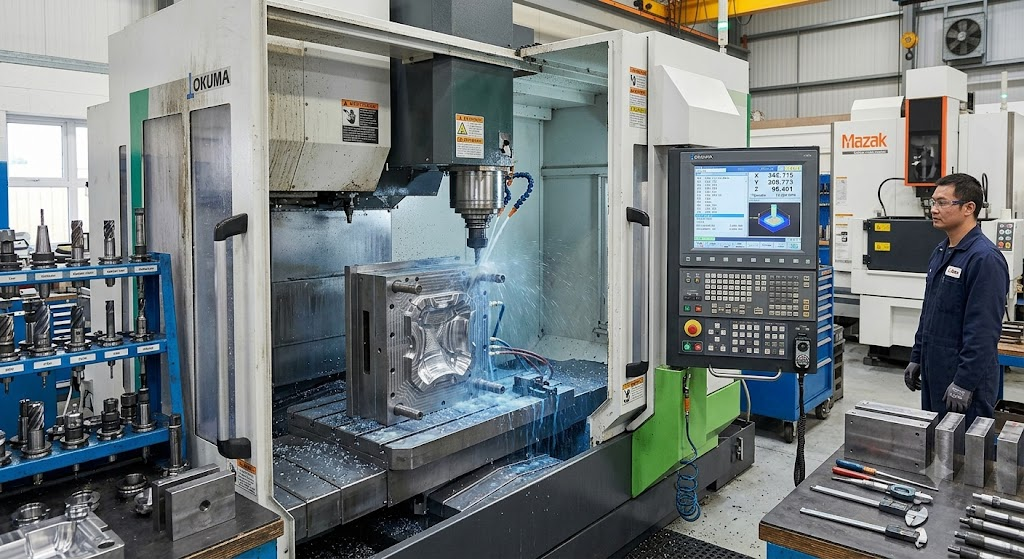
Mexico has solidified its position as the premier hub for heavy industrial and automotive Custom Tooling Solutions. The Queretaro and Monterrey clusters offer a level of technical depth that rivals traditional European toolmakers.
The USMCA mold tariff exemptions are a massive driver. Molds produced in Mexico and shipped to the US or Canada often face 0% duties, provided they meet regional value content requirements. This contrasts sharply with the ongoing Section 301 tariffs still impacting many Asian imports in 2026.
Cross-border logistics have been streamlined through 2026 “Smart Border” initiatives. Real-time GPS tracking and pre-cleared customs documentation allow molds to move from Central Mexico to the US Midwest in under 72 hours.
Vietnam: Electronics Tooling Growth and CPTPP Advantages
Vietnam has become the “Silicon Valley of the East” for mold manufacturing. While Mexico excels in large-scale automotive parts, Vietnam is the undisputed leader in high-cavitation, high-precision molds for consumer electronics.
Under the Comprehensive and Progressive Agreement for Trans-Pacific Partnership (CPTPP), Vietnam enjoys favorable trade terms with 11 nations. This makes Vietnam an ideal hub for companies distributing products across the Asia-Pacific region and Europe.
Labor costs in Vietnam remain approximately 30-40% lower than in Mexico. However, this is partially offset by higher shipping costs and longer lead times for North American delivery. For many, Vietnam is the “Plus One” that ensures high-volume production remains profitable.
Skill Gap Analysis: Queretaro vs. Ho Chi Minh City
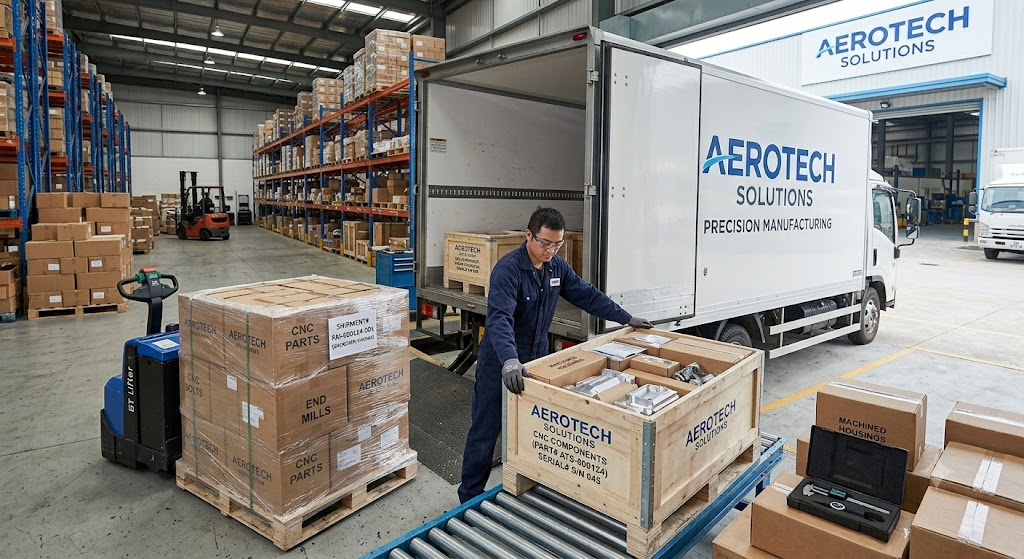
The availability of senior tooling engineers is the most significant bottleneck in 2026. Mexico’s advantage lies in its decades-long history with the Big Three automakers, creating a deep pool of “Master Toolmakers.”
Expert Quote: “In 2026, we see a divergence in talent. Queretaro is producing engineers who specialize in complex hot runner systems and multi-shot molding. Ho Chi Minh City is rapidly catching up in micro-molding and automated tool design, fueled by massive investment from global tech giants.”
— Marcus Thorne, Senior Supply Chain Strategist
Vietnam’s technical workforce is younger and highly adaptable to AI-driven CAD/CAM software. However, for 2026, Mexico still holds the edge for high-touch, complex engineering changes that require onsite collaboration.
Logistics and Port Automation: Real-Time Lead Time Data
A critical “Information Gain” factor in 2026 is the impact of port automation. Mexico has invested heavily in the Port of Lázaro Cárdenas, utilizing autonomous cranes and AI-driven slotting to reduce dwell times to historic lows.
| Metric | Mexico (Queretaro) | Vietnam (HCMC) |
|---|---|---|
| Transit to US (Days) | 3 – 5 (Truck/Rail) | 22 – 30 (Sea) |
| Avg. Tooling Lead Time | 8 – 12 Weeks | 10 – 14 Weeks |
| Automation Level | High (Port & Land) | Moderate (Port Expansion) |
| Duty/Tariff (to US) | 0% (USMCA) | 3.1% – 25% (Variable) |
According to the World Trade Organization’s 2026 report, Mexico’s infrastructure upgrades have offset the rising costs of industrial electricity, maintaining its competitive edge.
ESG and Carbon Footprint: Trans-Pacific vs. Cross-Border
In 2026, ESG (Environmental, Social, and Governance) reporting is a legal requirement for most publicly traded companies. The carbon footprint of your tooling is now a line item on the balance sheet.
Shipping a 5-ton mold from Vietnam to Los Angeles generates roughly 4.2 times more CO2 than trucking the same mold from Mexico. For brands aiming for “Net Zero” by 2030, Mexico is the logical choice for nearshore mold manufacturing.
Effective Supply Chain Optimization Consulting focuses on reducing these “Scope 3” emissions by localizing the heavy components of production near the final assembly point.
Frequently Asked Questions
Are there still high tariffs on molds from Vietnam in 2026?
Yes, depending on the specific HS code and current trade enforcement, Vietnamese molds may still face significant duties when entering the US market, whereas Mexican molds benefit from USMCA zero-tariff status.
Is the quality of Mexican molds better than Vietnamese molds?
Both regions are capable of Tier 1 quality. Mexico generally has more experience with heavy-duty, large-format molds, while Vietnam excels in high-precision, small-component tooling for electronics.
How much time can I save by nearshoring to Mexico?
On average, you save 3-4 weeks in transit time alone. Additionally, engineering changes and physical tool trials can be completed much faster due to the proximity of the tool shop to your facility.
Ready to Optimize Your 2026 Tooling Strategy?
Don’t let hidden costs and carbon taxes erode your margins. Let our senior manufacturing engineers build your TCO-5 roadmap today.