AS9100 CNC Grinding: Precision Aerospace Machining
AS9100 Certified CNC Grinding for Aerospace Excellence
Precision is the only acceptable margin in aerospace manufacturing. AS9100 CNC grinding serves as the final, critical step in producing flight-worthy components that must withstand extreme thermal and mechanical stress.
At Tyneen, we provide aerospace grinding services that bridge the gap between complex engineering designs and physical reality. Our facility operates under a rigorous Quality Management System (QMS) to ensure every precision machining project meets the uncompromising standards of global defense contractors.
Defining AS9100 Standards in Precision Grinding
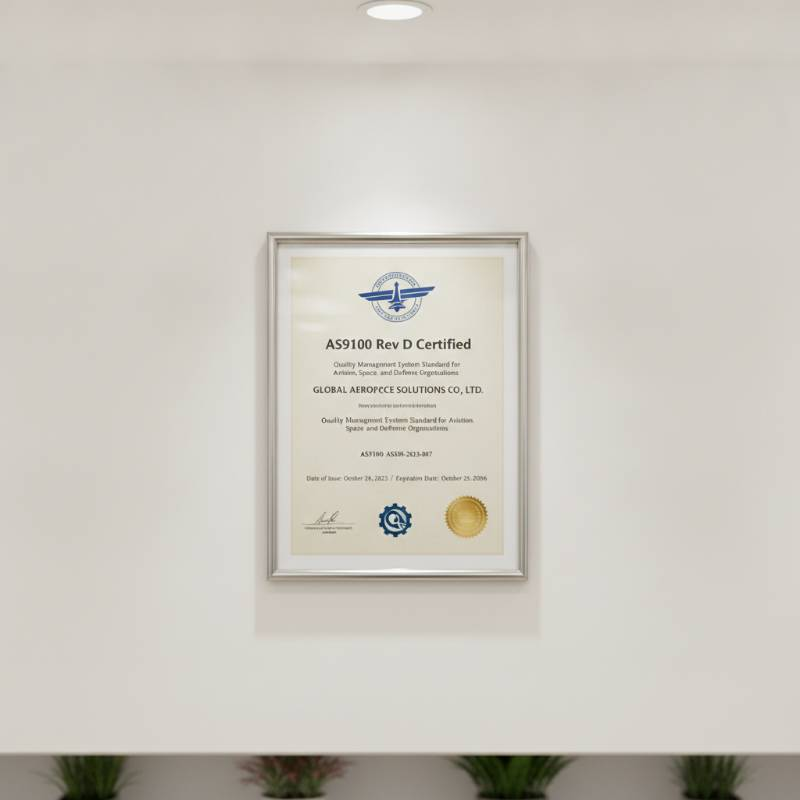
AS9100 certified CNC grinding services represent a specialized tier of manufacturing that adheres to the International Aerospace Quality Group (IAQG) standards. This certification ensures that a machine shop maintains strict control over its processes, risk management, and document traceability to guarantee the safety and reliability of aerospace parts.
AS9100 Rev D: The current aerospace standard that incorporates ISO 9001 requirements while adding specific focuses on counterfeit part prevention, product safety, and operational risk management in the aviation, space, and defense industries.
In our experience, the 2026 focus on digital thread integration has made AS9100 compliance more data-driven than ever. We utilize these Precision Engineering Standards to validate every pass of the grinding wheel against the digital twin of the component.
The Aero-Grind 360™ Protocol: Our Proprietary Methodology
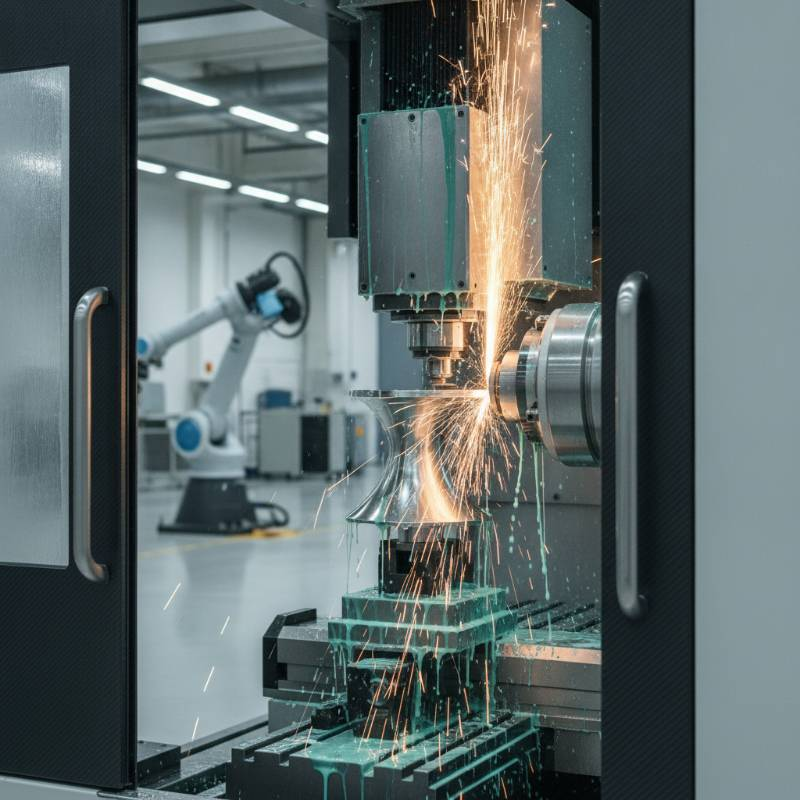
To exceed standard industry benchmarks, we developed the Aero-Grind 360™ Protocol. This framework moves beyond simple material removal to focus on the metallurgical health of the part.
- Pre-Grind Simulation: Using CAD/CAM data to predict heat generation and wheel deflection before the first spark is struck.
- Dynamic Feed Adjustment: Real-time adjustments to feed rates based on material resistance and harmonic feedback.
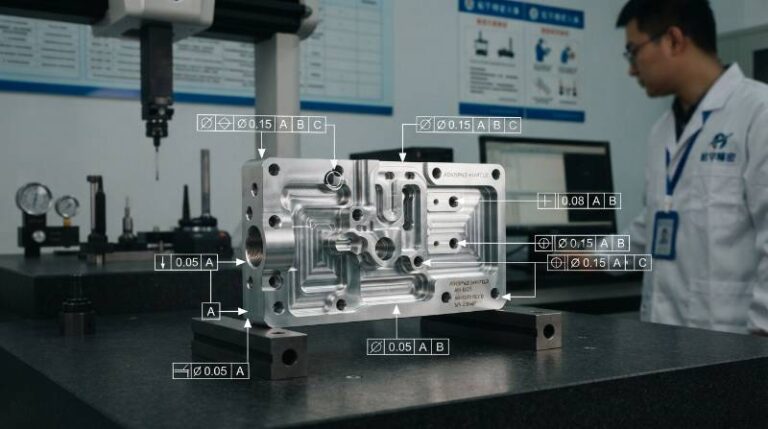
- Post-Process Digital Verification: Automated CMM (Coordinate Measuring Machine) inspection integrated directly into the production cell for 100% data capture.
This methodology ensures zero-defect compliance for mission-critical parts like landing gear actuators and hydraulic manifolds. By treating grinding as a holistic system rather than an isolated task, we maintain the structural integrity of the base metal.
Specialized Grinding for Inconel, Titanium, and Superalloys
Machining aerospace superalloys requires more than just high-quality machines; it requires deep knowledge of Advanced Material Capabilities. Materials like Inconel 718 and Titanium are “work-hardening,” meaning they become tougher and more brittle as they are machined.
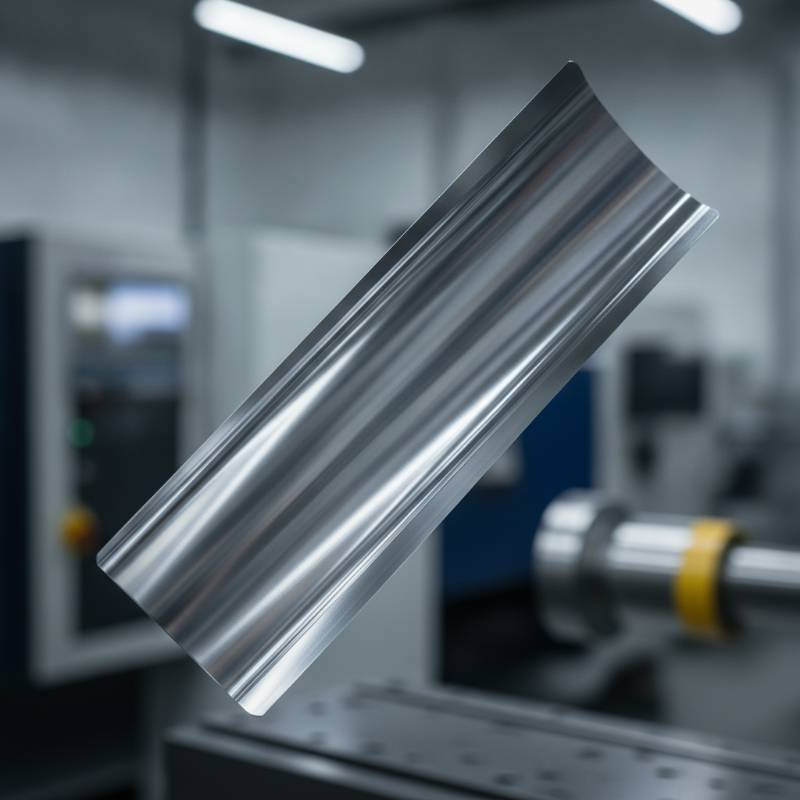
Our approach to Inconel grinding involves specialized vitrified cBN (Cubic Boron Nitride) wheels that stay sharp longer and generate less heat. For turbine blade machining, we focus on maintaining the aerodynamic profile while achieving a micro-inch surface finish that prevents fatigue cracking.
| Material | Primary Challenge | Tolerance Capability |
|---|---|---|
| Inconel 718 | Thermal Degradation | +/- 0.0001″ |
| Titanium 6Al-4V | Chemical Reactivity | +/- 0.0002″ |
| Waspaloy | Abrasiveness | +/- 0.0001″ |
Visit our Advanced Material Capabilities page to see how we handle specific superalloy grades.
Advanced 5-Axis CNC Grinding for Complex Geometries
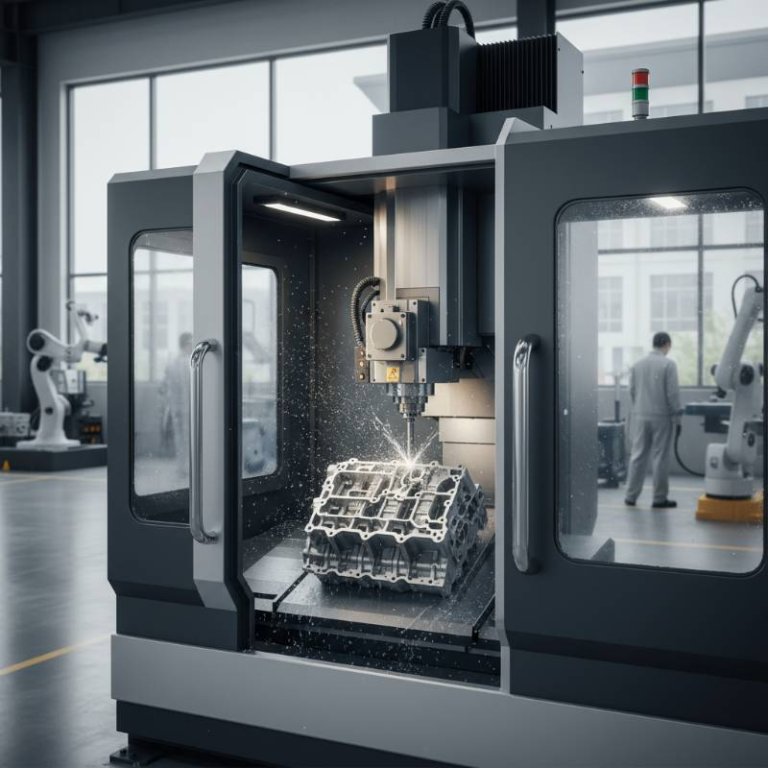
Modern engine components rarely feature simple flat surfaces. 5-axis CNC grinding allows us to machine complex, multi-faceted geometries in a single setup. This reduces the “stack-up” of tolerances that occurs when a part is moved between multiple machines.
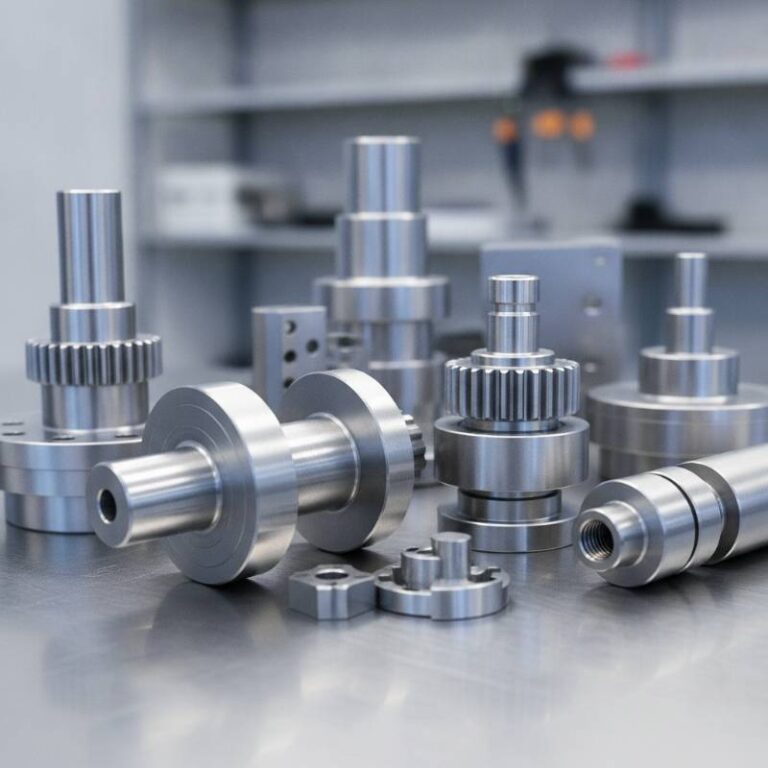
By using 5-axis capabilities, we can maintain the perpendicularity and concentricity required for high-speed rotating components. Our surface finish optimization processes ensure that even the most intricate cooling holes and serrated roots on turbine blades meet strict aerospace tolerances.
Real-Time AI Monitoring: The Future of Zero-Defect Machining
A significant advancement in 2026 is the deployment of real-time AI monitoring within the grinding envelope. Traditional grinding relies on operator intuition and post-process checks. We have transitioned to an active system that monitors acoustic emissions and spindle load.
How it works:
The AI detects the subtle change in frequency that occurs right before a grinding wheel begins to “glaze” or load up with material. By automatically triggering a dressing cycle or adjusting the coolant flow, the system prevents thermal expansion errors before they happen. This provides a level of risk mitigation that manual shops simply cannot match.
Material Traceability and Supply Chain Risk Mitigation
For any procurement officer, the paperwork is as important as the part. AS9100 certification mandates 100% material traceability. Every slab of metal entering our facility is logged with its original mill certification and heat number.
We streamline the compliance auditing process by providing digital inspection reports with every shipment. This transparency is vital for Tier 1 and Tier 2 defense contractors who must answer to rigorous federal oversight. Our internal systems are optimized for lead time optimization, ensuring that quality documentation doesn’t become a bottleneck in your production schedule.
Sustainability in Aerospace: Green Grinding Initiatives
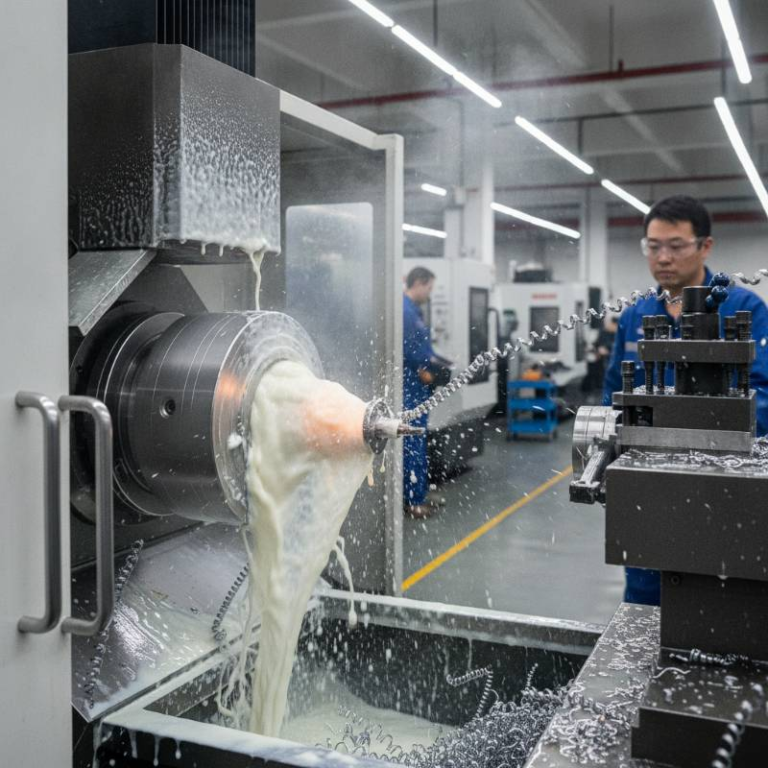
Environmental responsibility is no longer optional in the global aerospace market. We have implemented Green Grinding initiatives that focus on coolant recycling and energy efficiency. High-pressure coolant systems are now equipped with centrifugal filtration that removes 99% of grinding swarf, extending fluid life and reducing hazardous waste.
These sustainable machining practices don’t just help the planet; they improve part quality. Clean coolant provides more consistent thermal stabilization, leading to better surface finish optimization and longer tool life.
Aerospace Grinding Frequently Asked Questions
Why choose CNC grinding over hard turning for aerospace parts?
While hard turning is faster for some applications, CNC grinding is superior for achieving sub-micron finishes and maintaining surface integrity on hardened superalloys. Grinding induces less residual stress in the material, which is critical for parts subject to high-cycle fatigue, such as turbine shafts.
How do the 2026 AS9100 revision updates affect grinding services?
The latest 2026 updates place a heavier emphasis on “Digital Traceability” and “Cyber-Physical Security.” Machine shops must now demonstrate that their CNC programs are protected from tampering and that the real-time quality data collected during grinding is securely stored and linked to the specific serial number of the part.
What is the typical RFQ process for aerospace grinding?
Our RFQ process begins with a technical review of your 3D models and GD&T (Geometric Dimensioning and Tolerancing) requirements. We evaluate material specs, required micro-inch surface finishes, and any necessary non-destructive testing (NDT) like Nital Etch to detect grinding burn.
Do you offer both cylindrical and centerless grinding?
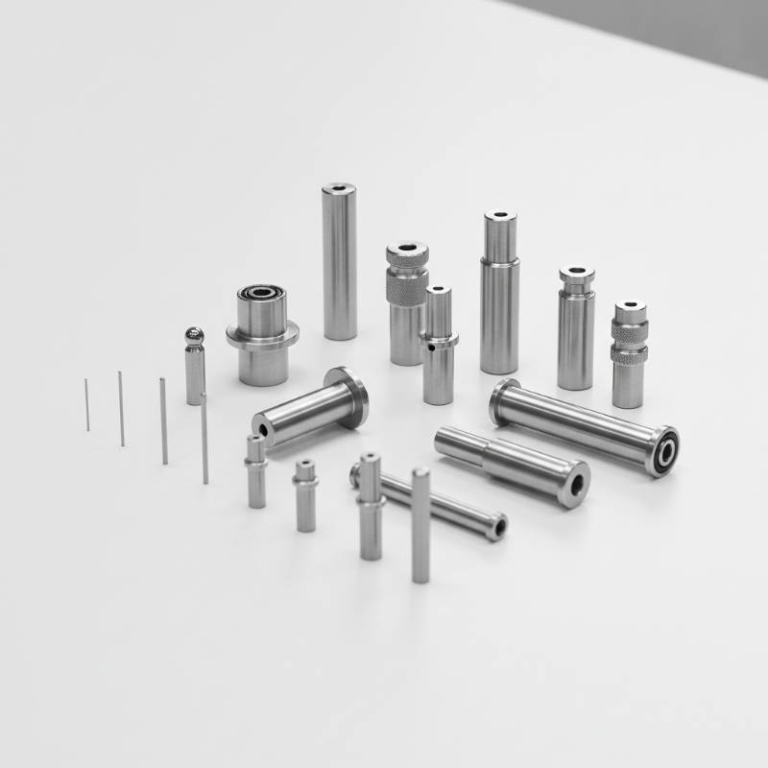
Yes. We provide cylindrical grinding for parts requiring high concentricity between diameters and centerless grinding for high-volume production of pins, bushings, and fasteners where rapid throughput is required without sacrificing precision machining standards.
Ready for Zero-Defect Aerospace Components?
Partner with a team that views AS9100 not just as a certificate, but as a commitment to flight safety and engineering excellence.