High-Precision Magnesium Machining for Commercial Drones
High-Precision Magnesium Machining for Commercial Drones
Modern Unmanned Aerial Vehicles (UAVs) demand extreme weight savings without sacrificing structural stiffness. In 2026, the shift toward last-mile delivery and long-range surveillance has made high-precision magnesium machining the cornerstone of commercial drone manufacturing.
The AeroMag™ 4-Step Optimization Protocol
High-precision magnesium machining utilizes advanced CNC milling to produce ultra-lightweight UAV components with tolerances as tight as ±0.005mm. By leveraging ZK60 magnesium alloys, manufacturers achieve superior vibration damping and structural integrity for commercial drone fleets.
We developed the AeroMag™ Protocol to bridge the gap between raw material potential and flight-ready performance. This framework ensures every component meets the rigorous demands of 2026 aerospace standards.
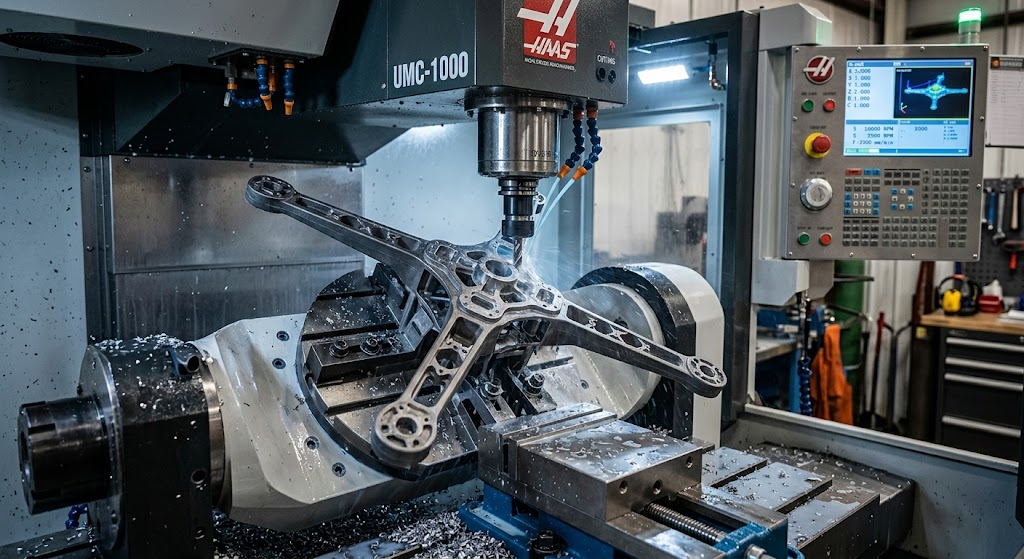
- Material Selection: We prioritize ZK60 and AZ91D magnesium alloys based on specific stress-load requirements.
- AI-Driven Toolpath Optimization: Proprietary algorithms calculate optimal cutting speeds to prevent thermal buildup in thin-wall geometries.
- Thermal Management Integration: We design components to maximize surface area, serving as passive cooling for electronics.
- AS9100 Quality Verification: Every part undergoes multi-axis CMM inspection to guarantee aerospace-grade precision.
Why ZK60 Magnesium is the Gold Standard for UAV Chassis
While AZ91D magnesium alloy remains popular for die-casting, CNC-machined ZK60 has emerged as the premier choice for 2026 drone frames. ZK60 offers significantly higher tensile strength and better ductility.
Magnesium’s vibration damping capacity is ten times greater than aluminum. This property protects sensitive sensors and high-resolution cameras from motor-induced oscillations, ensuring stable flight data and clear imaging.
“Magnesium’s specific stiffness allows for thinner walls without compromising structural integrity, a requirement for 2026’s long-range delivery drones.”
— Dr. Elena Vance, Senior Aerospace Materials Engineer
Magnesium vs. Carbon Fiber: A 2026 Lifecycle Analysis
Carbon fiber was once the undisputed king of lightweight materials. However, current global supply chain regulations and ESG carbon credit mandates have shifted the focus toward magnesium.
Unlike carbon fiber composites, magnesium is 100% recyclable. In a circular economy, retired drone fleets can be melted down and repurposed, significantly reducing the environmental footprint of large-scale commercial operations.
| Feature | ZK60 Magnesium | Carbon Fiber (CFRP) |
|---|---|---|
| Recyclability | 100% (High ESG Value) | Low (Difficult to recycle) |
| Impact Resistance | High (Ductile) | Brittle (Prone to shattering) |
| Thermal Conductivity | Excellent (Natural Heat Sink) | Poor (Insulator) |
| EMI Shielding | Inherent | Requires coating |
Advanced 5-Axis CNC Machining for Complex Drone Geometries
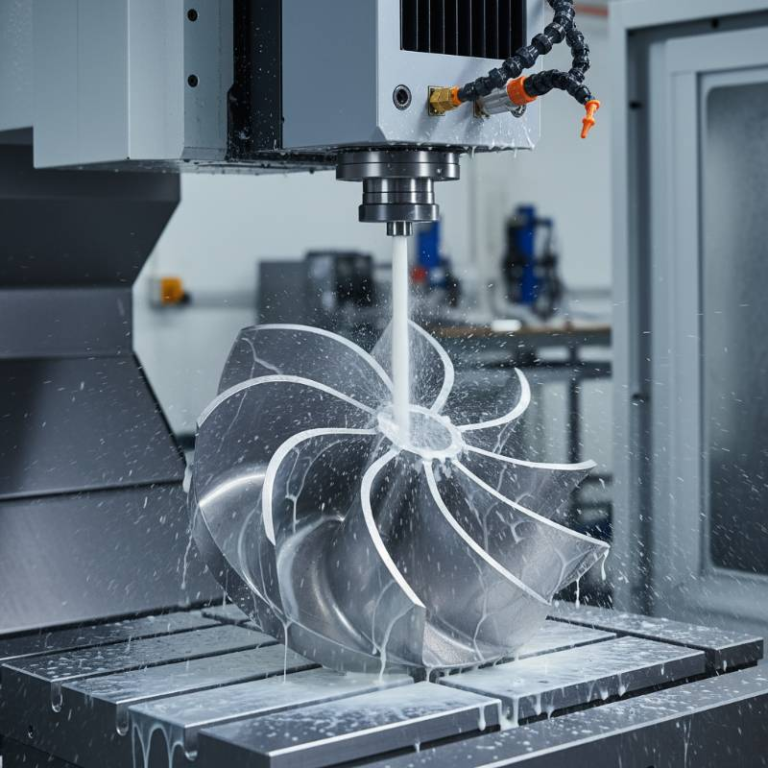
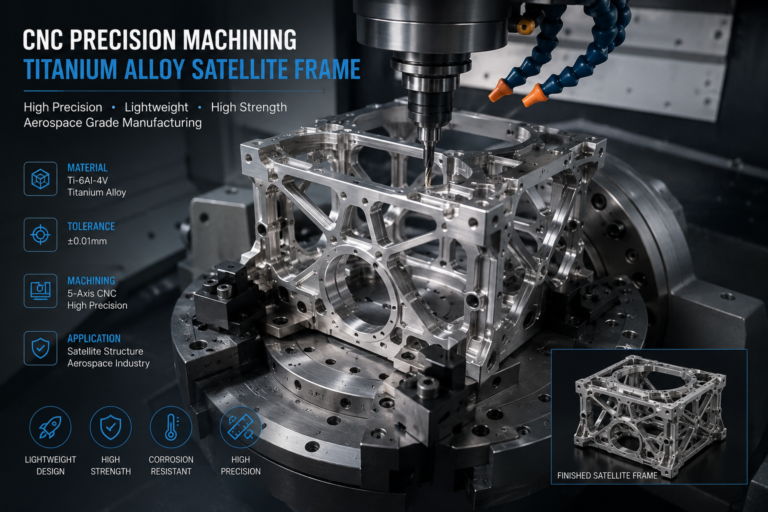
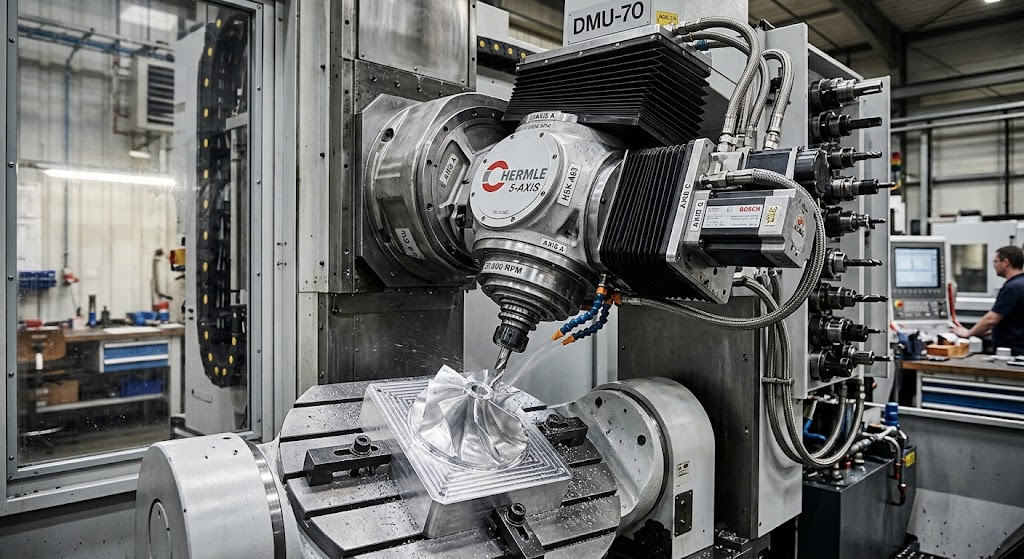
Complexity is the standard for modern UAVs. Using 5-axis CNC machining, we produce intricate gimbals, motor mounts, and internal structural ribs from a single block of magnesium alloy.
Our Our Precision Machining Services focus on thin-wall machining, often achieving wall thicknesses of less than 0.5mm. This precision ensures that every gram of material serves a structural purpose.
Solving the Flammability Myth: Safety Protocols in Magnesium Production
The “flammability myth” often deters engineers from choosing magnesium. While magnesium powder is combustible, solid aerospace-grade components are exceptionally stable. The risk exists only during the machining process itself.
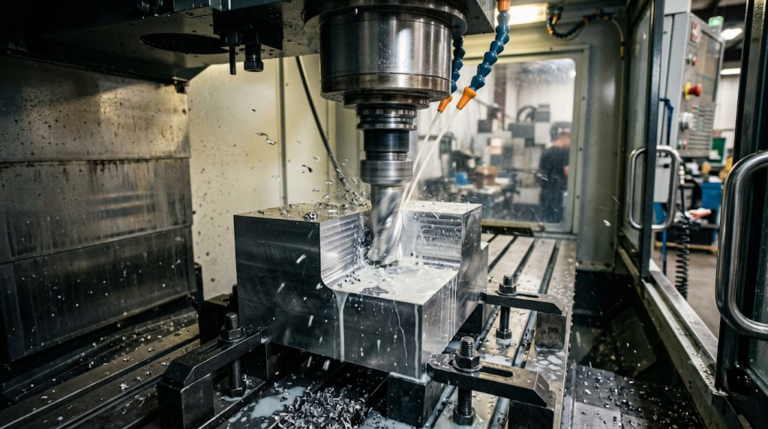
At Tyneen, we implement strict safety protocols to mitigate these risks. We use specialized non-water-based coolants and high-vacuum chip extraction systems. These aerospace machining safety measures ensure a controlled environment for high-speed production.
- Coolant Management: Synthetic oil-based coolants prevent hydrogen gas generation.
- Chip Disposal: Continuous removal of magnesium swarf prevents accumulation near heat sources.
- Fire Suppression: Class D fire extinguishers and automated argon-suppression systems are standard in our facilities.
Thermal Management for Drone Avionics and Electronics
As drone processors become more powerful, heat dissipation becomes a critical failure point. Magnesium offers a unique solution through its high thermal conductivity.
By integrating Advanced Material Solutions into the chassis design, the drone’s frame itself acts as a massive heat sink. This eliminates the need for heavy copper radiators or loud cooling fans, further extending battery life and reducing the acoustic signature of the UAV.
We utilize the ASTM E1461 methodology for thermal conductivity testing to ensure our components meet the exact heat-dissipation profiles required by 2026 avionics suites.
Explore our Advanced Material Solutions to see how we optimize magnesium for thermal performance.
Global Regulatory Compliance: FAA, EASA, and AS9100 Standards
Navigating the 2026 regulatory landscape requires more than just good engineering. For commercial drones to operate in restricted airspaces, every component must have a documented pedigree.
Our Aerospace Component Manufacturing processes are fully AS9100 certified. We provide full material traceability, ensuring compliance with FAA and EASA regulations for last-mile delivery and urban air mobility (UAM) platforms.

We also maintain strict ITAR compliance for specialized defense-adjacent UAV projects, providing the security and confidentiality required for sensitive government contracts.
Frequently Asked Questions About Magnesium UAV Machining
Is magnesium machining more expensive than aluminum?
Initially, the raw material and specialized safety handling increase costs by 15-20%. However, the 2026 lifecycle analysis shows that the increase in flight time and payload capacity often results in a lower total cost of ownership for commercial fleets.
How do you prevent corrosion in magnesium drone parts?
We utilize advanced surface treatments like Keronite (Plasma Electrolytic Oxidation) or Alodine. These coatings provide superior corrosion resistance and can even improve the surface hardness of the component.
What are the typical lead times for CNC magnesium components?
Standard lead times for precision-machined UAV parts range from 3 to 6 weeks, depending on the complexity of the 5-axis geometries and the required surface finishing.
Expert Review and Industry References
References
- ASM International. (2025). Properties and Selection: Magnesium Alloys for Aerospace Applications. Visit Source
- FAA. (2026). Material Certification Standards for Commercial Unmanned Aircraft Systems. Visit Source
Ready to Optimize Your Drone Fleet?
Partner with an AS9100-certified leader in magnesium machining. Let’s build the future of UAVs together.