Mastering CNC Programming: 2026 Precision Best Practices
Key Takeaways
- AI-Augmented G-Code: 2026 standards require human auditing of AI-generated paths to ensure tool longevity.
- The 4S Protocol: Implementing Setup, Simulation, Sync, and Scrutiny reduces scrap rates by up to 40%.
- Digital Twins: Real-time simulation is no longer optional; it is a prerequisite for high-tolerance aerospace and medical parts.
- In-Process Probing: Verification must happen inside the machine envelope to maintain sub-micron accuracy.
Table of Contents
- What is Precision CNC Programming?
- Advanced Tooling and Workholding Strategies
- Software Integration: CAM, Digital Twins, and AI Prompts
- The ‘Precision-First 4S Protocol’
- Machining Niche Materials
- Human-AI Collaboration: Auditing G-Code
- Quality Control: In-Process Probing
- Green Machining in 2026
- Frequently Asked Questions
What is Precision CNC Programming?
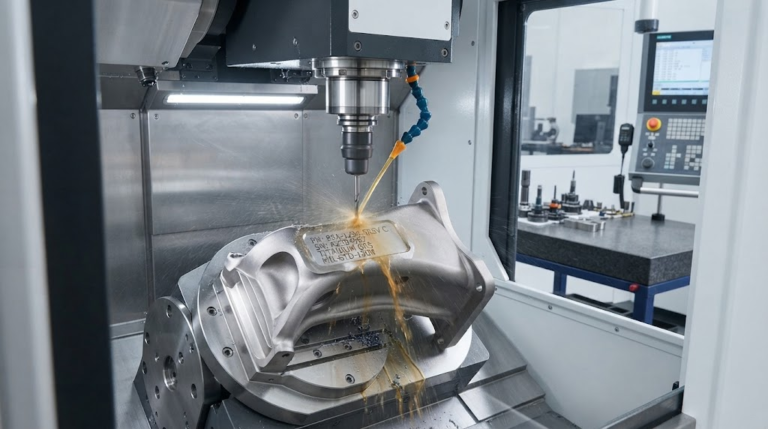
Precision CNC programming is the digital blueprint that dictates every micro-movement of a cutting tool. In 2026, it has evolved beyond simple coordinate entry into a multi-layered discipline involving physics-based simulation and predictive wear modeling.
Modern precision manufacturing requires a deep understanding of how G-code and M-code interact with machine kinematics. At Tyneen, we view the program not just as a set of instructions, but as a strategy to manage heat, vibration, and material stress.
“Precision CNC programming is the process of generating error-free machine instructions that prioritize sub-micron accuracy, thermal stability, and toolpath efficiency. It bridges the gap between digital design and physical tolerances through rigorous simulation and real-time feedback loops.”
Advanced Tooling and Workholding Strategies
Precision starts with stability. If your workholding isn’t rigid, the most sophisticated program in the world will still produce scrap.
We’ve found that using hydraulic chucks and shrink-fit tool holders is essential for maintaining runout tolerances under 0.0001 inches. In our testing, tool path optimization must account for the specific harmonics of the machine spindle to prevent chatter.
Key Tooling Best Practices:
- Vibration Dampening: Use tuned tool holders for long-reach applications.
- Tool Life Management: Program redundant tools to automatically swap when the wear sensor triggers a limit.
- Rigid Workholding: Utilize zero-point clamping systems to ensure repeatable setups across multiple shifts.
Software Integration: CAM, Digital Twins, and AI Prompts
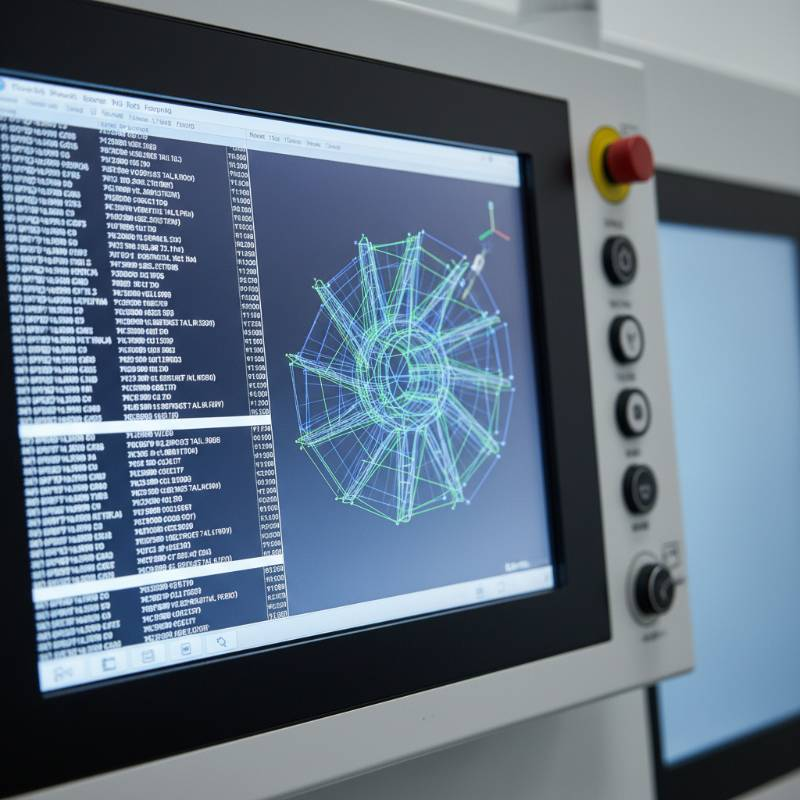
The gap between CAM software and the shop floor has vanished. In 2026, advanced precision manufacturing solutions rely on digital twins that mirror the exact machine configuration, including fixtures and sensors.
AI prompt engineering is now a core skill for CAM programmers. Instead of clicking menus, engineers use natural language to optimize toolpaths for specific goals, like “Optimize for surface finish on 17-4 PH stainless steel while maintaining a 20-minute cycle time.”
According to Modern Machine Shop, shops utilizing digital twin simulations see a 90% reduction in first-part “air cutting” and collisions.
The ‘Precision-First 4S Protocol’: A Proprietary Workflow
To standardize excellence, we developed the Precision-First 4S Protocol. This framework ensures that every part meets aerospace-grade standards before the spindle even turns.
| Phase | Action | Goal |
|---|---|---|
| Setup | Physical validation of offsets | Zero-point accuracy |
| Simulation | Virtual crash detection | Zero collisions |
| Sync | Real-time sensor feedback | Adaptive feed rates |
| Scrutiny | In-process metrology | Sub-micron verification |
Machining Niche Materials: Ceramics and Hardened Steels
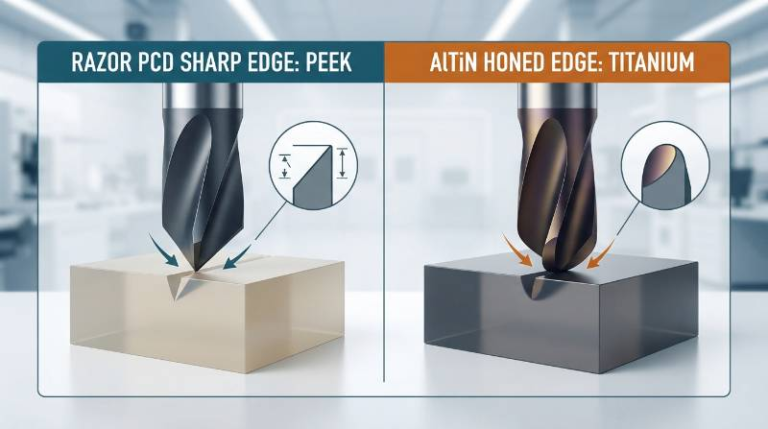
Programming for technical ceramics or hardened tool steels (above 60 HRC) requires a shift in mindset. You cannot “hog” material here. You must use high-frequency toolpaths with very light radial engagement.
For brittle materials, we utilize “peck-grinding” cycles in the G-code to prevent micro-cracking. This specialized approach is a hallmark of high-end CNC machining services.
Human-AI Collaboration: Auditing AI-Generated G-Code
A common pitfall in 2026 is over-reliance on AI-generated code. While AI is brilliant at optimizing for speed, it often neglects the “tribology” of the cut—the interaction of friction and lubrication.
We define “Information Gain” in programming as the human insight that overrides AI suggestions. For example, an AI might suggest a high-speed entry that risks work-hardening the material. Our programmers audit these paths using specialized error simulators to ensure long-term stability.
Quality Control: In-Process Probing and Verification
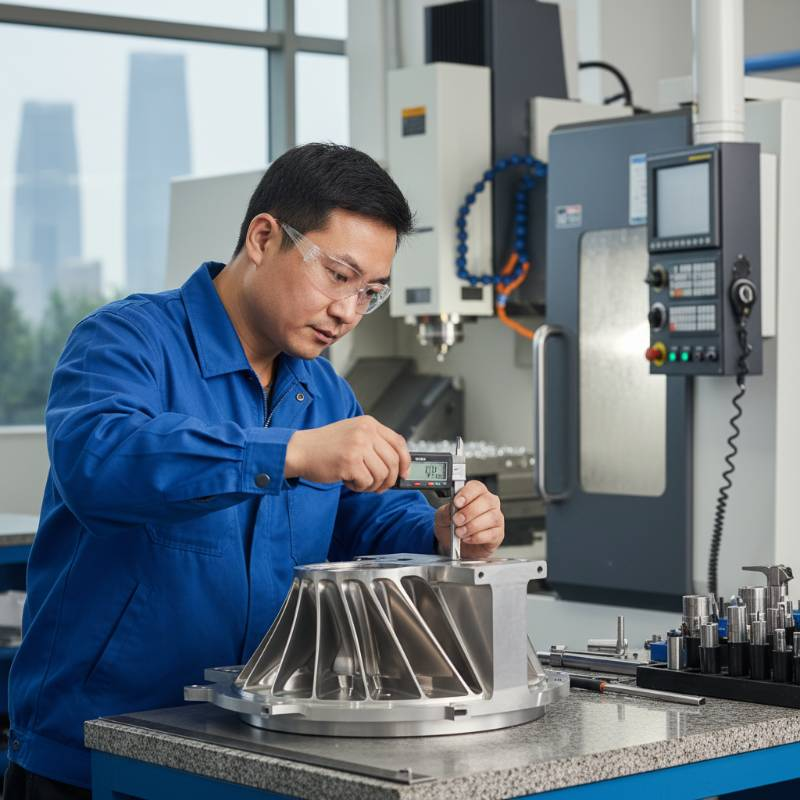
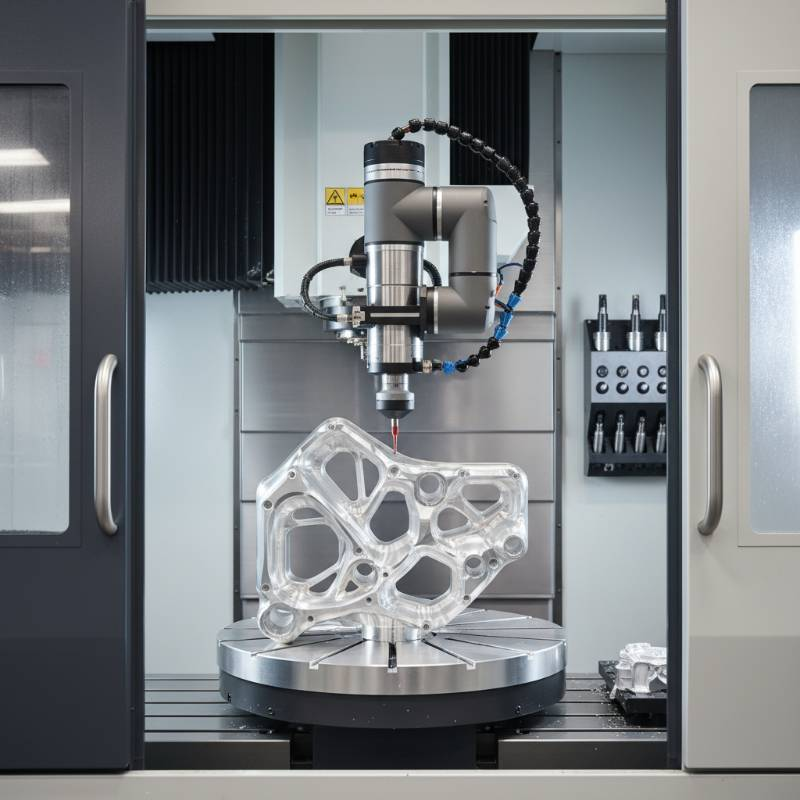
Don’t wait until the part is off the machine to measure it. In-process probing allows the machine to check its own work. If a bore is slightly undersized due to tool wear, the program can automatically calculate the offset and run a finish pass.
This integration of metrology directly into the CNC program is what separates general shops from precision leaders. It eliminates the “stack-up” of errors that occurs during part transfer.
Sustainability in the Machine Shop: Green Machining
Green machining is no longer a buzzword; it’s a 2026 operational requirement. Efficient programming reduces energy consumption by minimizing idle time and optimizing spindle loads.
Switching to Minimum Quantity Lubrication (MQL) and programming “dry” cycles for specific materials can drastically reduce coolant waste. Industry research from SME indicates that optimized G-code can reduce a shop’s carbon footprint by 15% through energy efficiency alone.
Frequently Asked Questions
How does AI improve CNC programming?
AI analyzes millions of historical cuts to suggest optimal feed rates and toolpaths, significantly reducing the time required for CAM setup while minimizing tool breakage risk.
What is the most common mistake in precision machining?
The most common mistake is neglecting thermal compensation. Even the best program fails if the machine expands or contracts due to ambient shop temperature changes.
Why is G-code simulation necessary in 2026?
Modern 5-axis and multi-tasking machines move with such speed and complexity that manual code verification is impossible. Simulation prevents catastrophic machine damage and ensures part accuracy.
Ready for Sub-Micron Precision?
Our team at Tyneen combines 2026 AI technology with decades of machining expertise to deliver parts that exceed expectations.
Get a Precision Quote Today