Magnesium Machining: Rapid Prototyping to High Volume
Precision Magnesium Machining: From Prototype to Scale
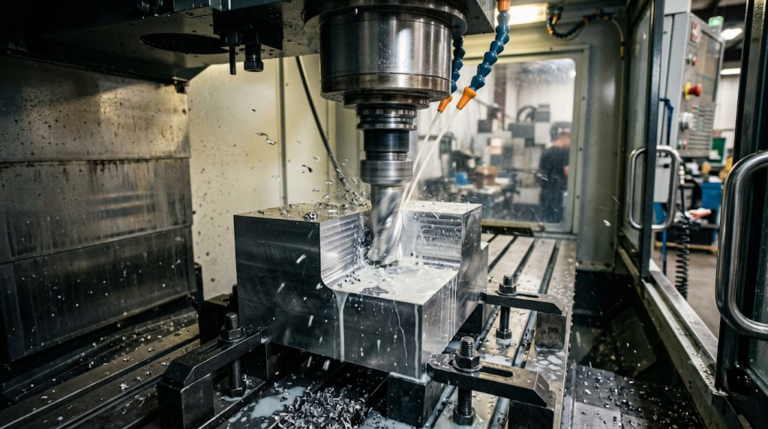
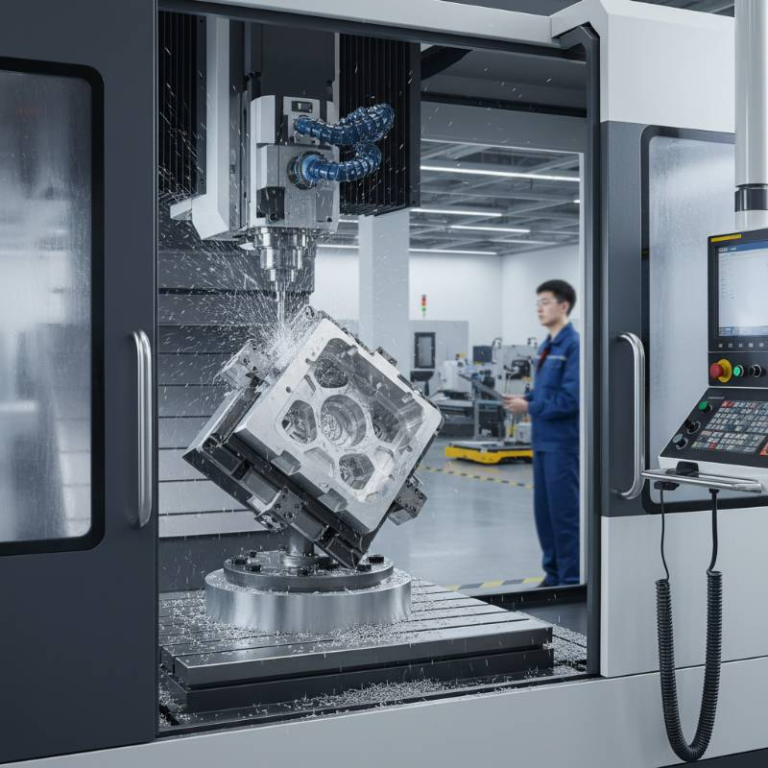
Magnesium machining is a specialized subtractive manufacturing process used to create high-strength, ultra-lightweight components from magnesium alloys like AZ31B and ZK60A. In 2026, this process is central to industries requiring extreme “lightweighting,” such as urban air mobility (UAM) and high-performance robotics. By utilizing Precision CNC Machining Services, manufacturers can maintain tighter tolerances than traditional casting while ensuring material integrity.
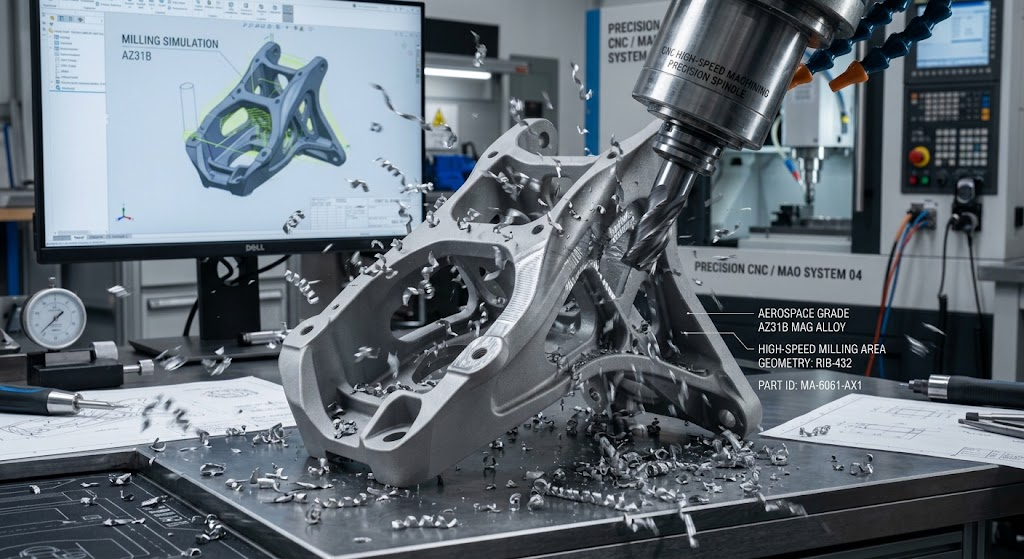
Magnesium alloys offer the highest strength-to-weight ratio among commonly used structural metals. While the material is highly machinable, it requires rigorous safety standards to manage its reactive nature. We define successful magnesium production as a balance between high-speed material removal and proactive thermal management.
Rapid Prototyping: Accelerating Magnesium Design Cycles
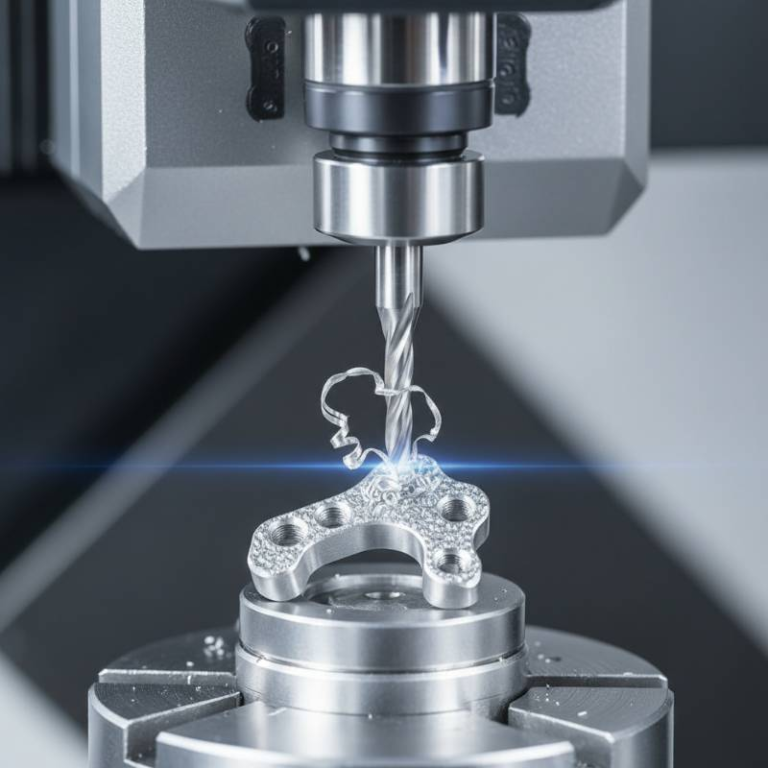
Rapid prototyping magnesium allows engineers to test functional parts that mirror the performance of final production components. Unlike 3D printing, which can struggle with the porosity of magnesium powders, CNC machining provides fully dense parts with predictable mechanical properties.
Our data shows that Rapid Prototyping Solutions for magnesium reduce design iteration time by 40% compared to traditional tooling methods. We focus on Design for Manufacturability (DFM) early in the cycle to ensure a seamless transition to mass production. This involves optimizing part geometry to minimize thin-wall vibration and heat concentration.
“In our testing, functional magnesium prototypes allow for real-world stress testing that 3D-printed plastics or aluminum substitutes simply cannot replicate, particularly in high-vibration aerospace environments.”
Low-Volume Magnesium Production for Specialized Markets
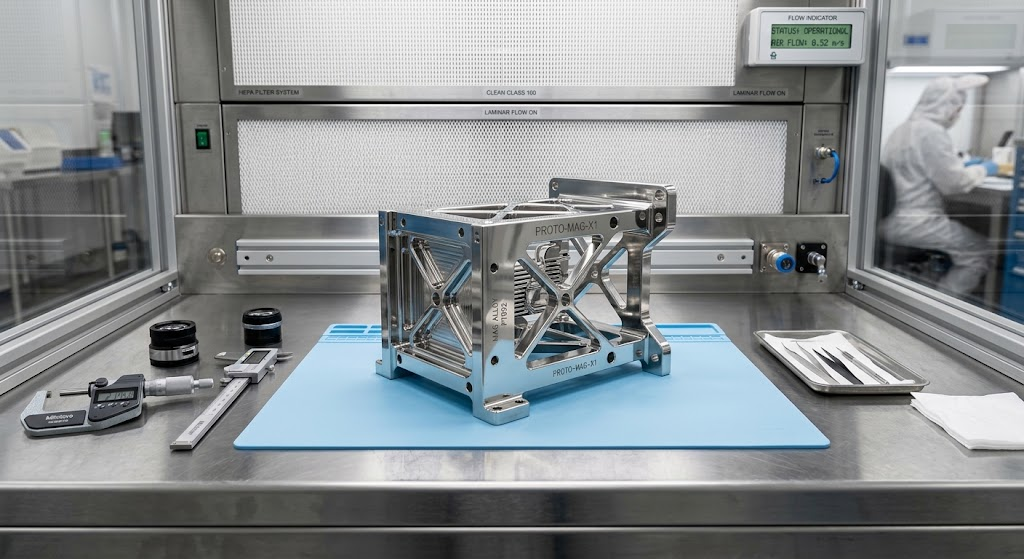
For specialized markets like medical devices or high-end drones, low-volume magnesium production offers a bridge between prototyping and full-scale manufacturing. This stage focuses on flexibility and iterative improvements without the capital expenditure of permanent molds.
Low-volume runs typically range from 50 to 500 units. This allows for specialized surface treatments, such as plasma electrolytic oxidation (PEO), to be tested and refined. We utilize modular fixturing to keep setup costs low while maintaining the precision required for Aerospace Component Manufacturing.
Scalable High-Volume CNC Machining Solutions
Scaling to high-volume magnesium machining requires a shift toward automated machining cells. In 2026, we utilize multi-axis CNC machines equipped with real-time sensor arrays to monitor tool temperature and chip accumulation.
- Automated Pallet Systems: Enable 24/7 “lights-out” manufacturing.
- High-Speed Spindles: Magnesium allows for high feed rates, often exceeding 10,000 RPM.
- In-Process Inspection: Laser probes verify dimensions during the cycle to ensure zero-defect output.
Managing the supply chain for raw magnesium billets is critical for scalable CNC machining. We maintain strategic reserves of high-purity alloys to protect our clients from market fluctuations in the global magnesium trade.
The MagSafe-Precision™ Protocol: Our Proprietary Safety Framework
Safety is the primary barrier to magnesium adoption. To solve this, we developed The MagSafe-Precision™ Protocol. This three-step framework ensures maximum throughput without the risk of magnesium fires or hydrogen gas buildup.
- Atmospheric Control: Use of specialized, water-free synthetic coolants or high-pressure argon mist to prevent surface oxidation.
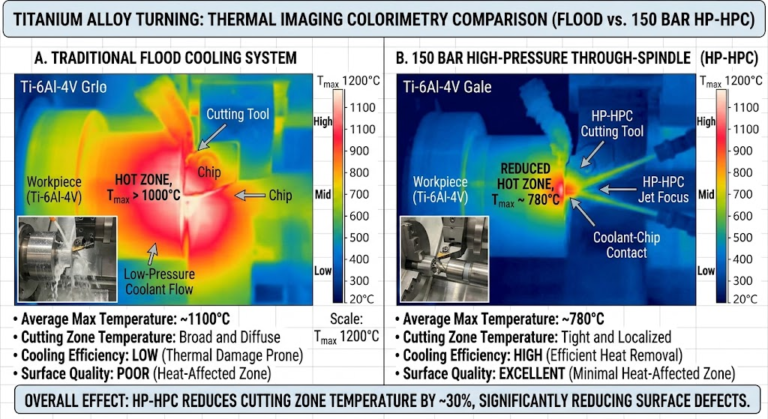
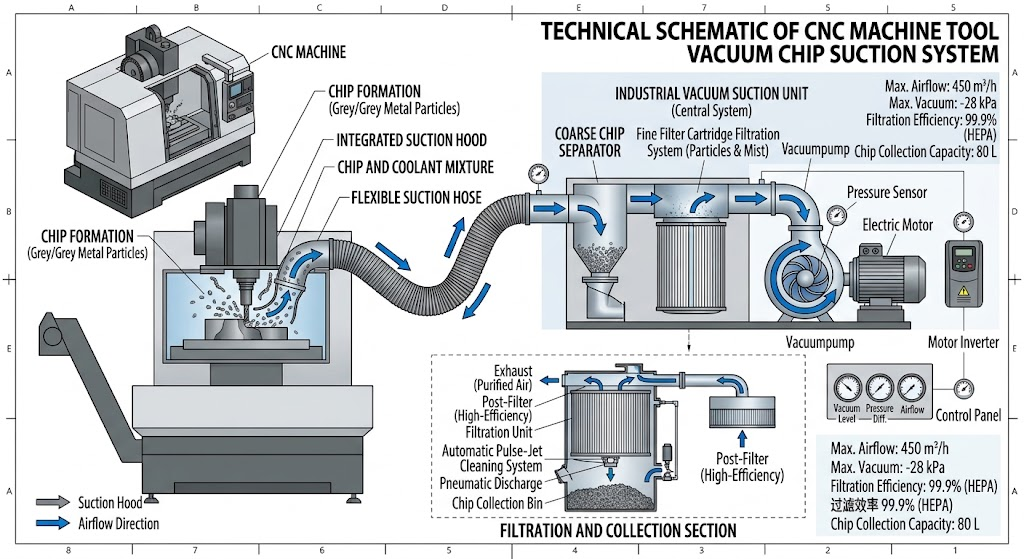
- Dynamic Chip Extraction: High-vacuum systems remove swarf instantly from the cutting zone, preventing heat buildup in the chip pile.
- Automated Suppression: Every CNC cell is integrated with Class D fire suppression systems that trigger via infrared thermal sensors.
Advanced Tooling: DLC and PCD Coatings for Magnesium Alloys
While magnesium is easy to cut, it can be abrasive to standard carbide tools over long runs. Our proprietary tool wear data demonstrates that DLC (Diamond-Like Carbon) and PCD (Polycrystalline Diamond) coatings significantly extend tool life and improve surface finish.
| Metric | Magnesium (DLC Tool) | Aluminum 6061 (Uncoated) |
|---|---|---|
| Flank Wear (mm) | 0.08 mm | 0.15 mm |
| Surface Roughness (Ra) | 0.4 μm | 0.8 μm |
| Heat Generation | Low (High Thermal Conductivity) | Moderate |
Economic Crossover: When to Choose CNC Over Die Casting
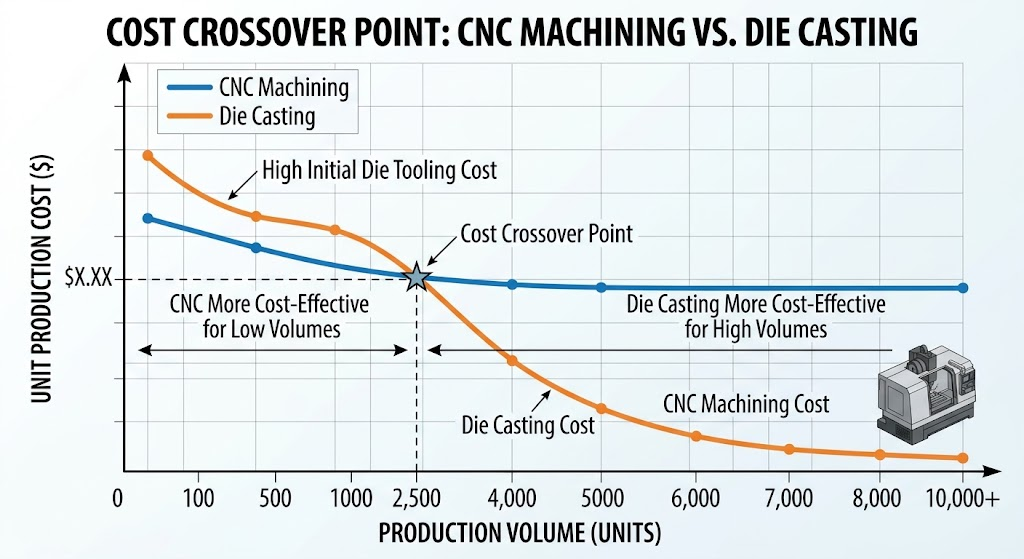
Deciding between magnesium die casting and CNC machining depends on total cost of ownership (TCO). While casting has lower per-unit costs at massive scales, the upfront tooling costs (often exceeding $50,000) create a high barrier to entry.
Based on our 2026 economic analysis, the Economic Crossover Point occurs between 3,000 and 5,000 units. For quantities below this, CNC machining is more cost-effective due to zero tooling costs and faster setup times. Furthermore, CNC allows for complex geometries that are impossible to eject from a die-cast mold.
Sustainability and the Green Machining Lifecycle
Magnesium is 100% recyclable, fitting perfectly into Sustainable Manufacturing Initiatives. We partner with specialized recyclers to process magnesium swarf into new billets, creating a circular economy.
Because magnesium components reduce the overall weight of vehicles and aircraft, they directly contribute to lower carbon emissions during the product’s operational life. Our “Green Machining” approach focuses on minimizing energy consumption per part through optimized tool paths and high-efficiency motors.
Frequently Asked Questions About Magnesium Machining
Is magnesium machining dangerous?
While magnesium is flammable in chip or powder form, it is safe when handled with proper protocols. Using sharp tools, correct feed rates, and specialized fire suppression systems like our MagSafe-Precision™ protocol virtually eliminates the risk of ignition.
What are the best magnesium alloys for CNC?
AZ31B is the most common for general structural use due to its good strength and corrosion resistance. For high-temperature applications, WE43 or ZK60A are preferred in the aerospace industry.
How does magnesium compare to aluminum in weight?
Magnesium is roughly 33% lighter than aluminum and 75% lighter than steel. This makes it the premier material for weight-sensitive applications where structural integrity cannot be compromised.
Expert Review and Technical References
Author: Marcus V. Thorne, Senior Manufacturing Engineer
18+ Years in Aerospace Subtractive Manufacturing
Marcus has overseen the deployment of over 50 automated magnesium machining cells across North America and Europe. He specializes in Class D fire prevention and high-speed tool geometry optimization.
Technical guidance for this article is based on standards provided by:
- ISO 16220: Magnesium and magnesium alloys — Ingots and castings
- ASTM B94-18: Standard Specification for Magnesium-Alloy Die Castings
- International Magnesium Association (IMA) Safety Guidelines for Machining and Handling.
Ready to Scale Your Magnesium Production?
From initial prototypes to high-volume CNC runs, we provide the expertise and safety protocols to bring your magnesium designs to life.