Seamless Mold Transfer and Injection Tool Rescue Services
Expert Mold Transfer and Injection Tool Rescue Services
Manufacturing operations face unprecedented volatility in 2026. Maintaining a resilient supply chain requires more than just high-quality production; it demands the ability to move physical assets across the globe at a moment’s notice.
At Tyneen, we specialize in the high-stakes world of Mold Transfer and Tool Rescue Services. Whether you are optimizing your footprint or recovering tooling from a failing partner, the safety of your assets is our priority.
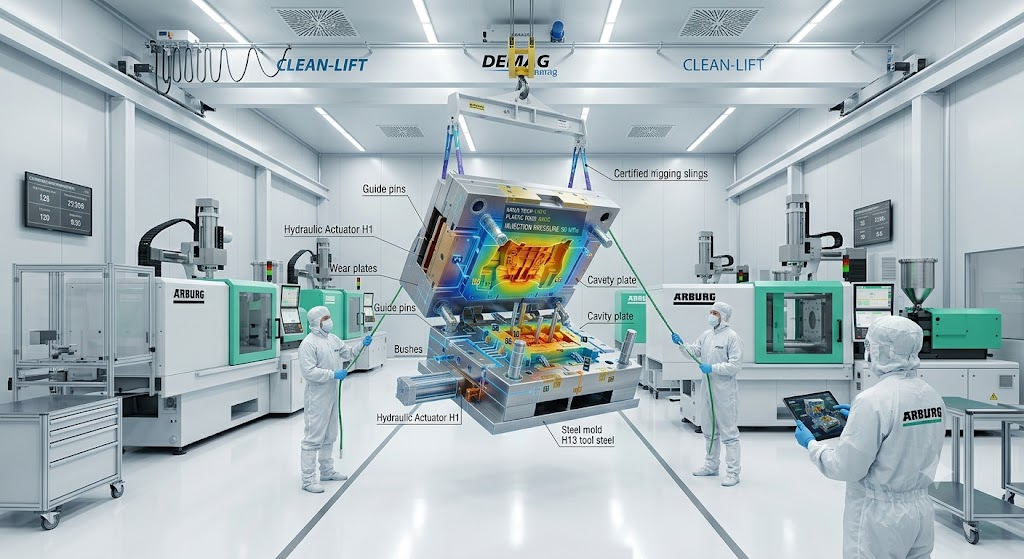
Our approach combines technical tooling engineering with sophisticated industrial logistics. We don’t just ship steel; we migrate your production capacity with precision and accountability.
Defining Mold Transfer and Tool Rescue in Modern Manufacturing
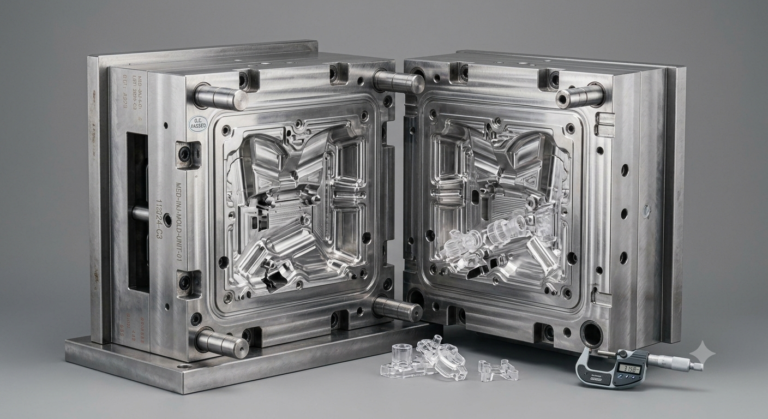
Mold transfer is the strategic, planned relocation of active injection molding tools between facilities to optimize costs or proximity to markets. Tool rescue refers to the emergency extraction and refurbishment of molds from suppliers experiencing bankruptcy, quality failure, or legal disputes.
“A successful transfer is measured by the speed at which the first qualifying part is produced at the new site, not just the delivery of the tool.”
— Marcus Vane, Head of Tooling Engineering at Tyneen
For an Original Equipment Manufacturer (OEM), these services are the difference between a minor schedule adjustment and a catastrophic production downtime event. We treat every asset as a critical node in your Global Logistics Support network.
The SafePass™ 5-Point Migration Protocol
To ensure 100% asset integrity, we utilize our proprietary SafePass™ Methodology. This framework eliminates the guesswork common in standard industrial moves.
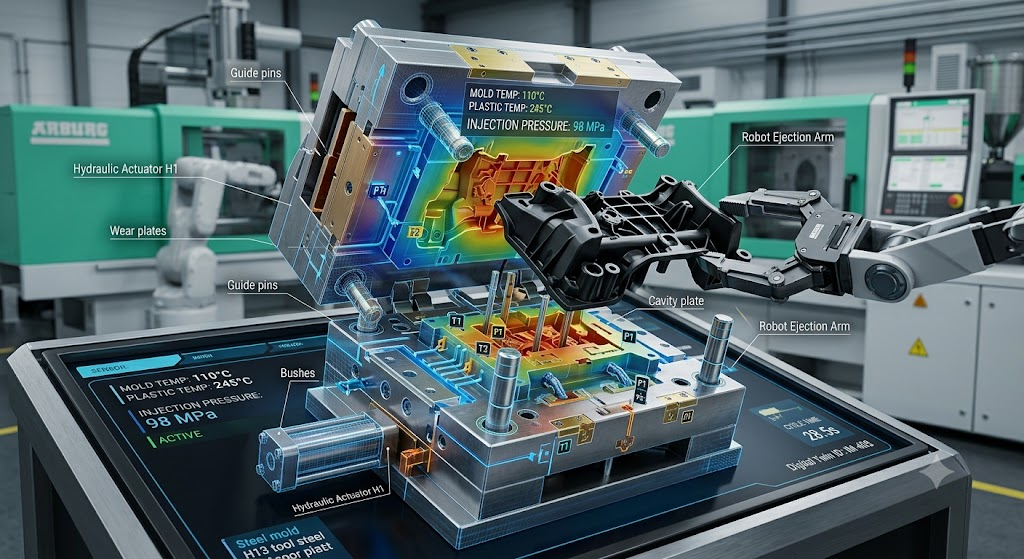
- Audit & Digital Twin: We create a high-fidelity digital snapshot of the tool’s current state, including standardizing maintenance logs.
- Legal & Asset Clearance: Verification of ownership and resolving any outstanding liens or supplier disputes.
- Vibration-Dampened Logistics: Deployment of specialized sensors to monitor G-forces and humidity during transit.
- Machine Compatibility Sync: Mapping tool specifications to the destination’s Injection Molding machinery parameters.
- FAI Validation: Final First Article Inspection to ensure the tool produces parts to spec in its new environment.
Global Logistics: Securely Migrating Injection Tooling
Moving multi-ton steel molds across borders involves complex international shipping regulations. In 2026, customs documentation for mold migration has become more stringent regarding environmental impact and material origin.
We provide heavy tooling logistics that go beyond traditional freight forwarding. This includes custom crating designed for vibration-dampening transport, ensuring that delicate internal components—like hot runner systems or intricate slides—remain perfectly aligned.
Proper Injection Molding Services must include a logistics plan that accounts for both the physical tool and the technical data required to run it.
Tool Rescue: Recovering Assets from Distressed Suppliers
When a contract manufacturer faces insolvency, your tooling can become “hostage” to bankrupt suppliers. Tool rescue is a specialized operation that requires a blend of legal muscle and technical speed.
Our team intervenes to resolve tooling ownership disputes. Once the tool is physically secured, we perform emergency refurbishment. Often, tools from distressed suppliers have been neglected; our preventative maintenance experts restore them to peak performance before they reach the new production line.
| Feature | Planned Transfer | Tool Rescue |
|---|---|---|
| Lead Time | 4–8 Weeks | 24–72 Hours (Initiation) |
| Documentation | Complete Logs | Often Missing/Incomplete |
| Tool Condition | Verified Functional | Requires Full Audit |
AI-Driven Risk Assessment and Digital Twin Audits
In 2026, we have moved beyond visual inspections. We now employ AI-driven risk assessment to predict potential tool failure points that might be exacerbated by the stresses of relocation.
By creating digital twins, we simulate the mold integrity under different machine pressures at the destination facility. This allows us to adjust the tool or the process parameters virtually before the physical mold even arrives, significantly reducing the production cycle lag.
This level of Asset Management is a requirement for modern ISO 9001 Standards compliance in high-precision industries like medical and aerospace.
The 2026 Reshoring Playbook for Complex Tooling
Reshoring is no longer just a trend; it is a core strategy for supply chain resilience. However, migrating complex tooling from overseas is fraught with technical traps. Our 2026 Reshoring Playbook focuses on “hot-swapping” production.
We coordinate the logistics so that as the final parts are being boxed at the old facility, the tool is already being prepared for its journey. By utilizing Contract Manufacturing hubs closer to the end consumer, brands can reduce their carbon footprint and lead times simultaneously.

Hidden Liability: Why Standard Shipping Insurance Fails
Most manufacturers rely on standard cargo insurance during a mold transfer service. This is a critical mistake. Standard insurance covers the replacement cost of the “steel,” but it fails to cover the lost opportunity cost.
If a primary tool is damaged, the cost isn’t just the repair; it’s the millions in lost revenue from unproduced parts. We advocate for specialized industrial coverage that accounts for mold repair and maintenance and the resulting business interruption. Our SafePass™ protocol is often recognized by insurers to lower premiums due to our rigorous risk mitigation.
Consult the NIST Manufacturing Extension Partnership for more on industrial risk standards.
Technical Validation: First Article Inspection (FAI) Post-Transfer
The final hurdle in any migrate injection tooling project is validation. Even a perfect tool can produce bad parts if the machine compatibility isn’t addressed. Differences in platen size, tie-bar spacing, or hydraulic pressure can impact quality.
Our engineers perform a comprehensive Tooling Maintenance Guide review and a First Article Inspection (FAI). This process ensures that the physical dimensions and mechanical properties of the parts meet the original Quality Assurance benchmarks.
Frequently Asked Questions
How much does a mold transfer service cost?
Costs vary based on tool size, distance, and urgency. A standard domestic transfer might range from $5,000 to $20,000, while international tool rescue operations involving legal intervention can be significantly higher.
What is the typical rescue timeline?
Physical extraction can often happen within 72 hours of legal clearance. Total time to production at the new facility usually takes 2–4 weeks, depending on the emergency refurbishment required.
What are my legal rights to the tooling?
Under most ISO 9001 Standards contracts, the OEM retains ownership. However, without proper documentation and a clear “Right to Remove” clause, recovery can be delayed. We recommend an annual audit of all maintenance logs and ownership certificates.
For more technical details on maintaining your assets, visit the International Organization for Standardization.
Secure Your Production Future
Don’t leave your most valuable manufacturing assets to chance. Whether it’s a planned move or an emergency rescue, Tyneen’s SafePass™ protocol ensures your tooling is protected.