ISO 13485 Medical Mold Manufacturing & Tooling (2026)
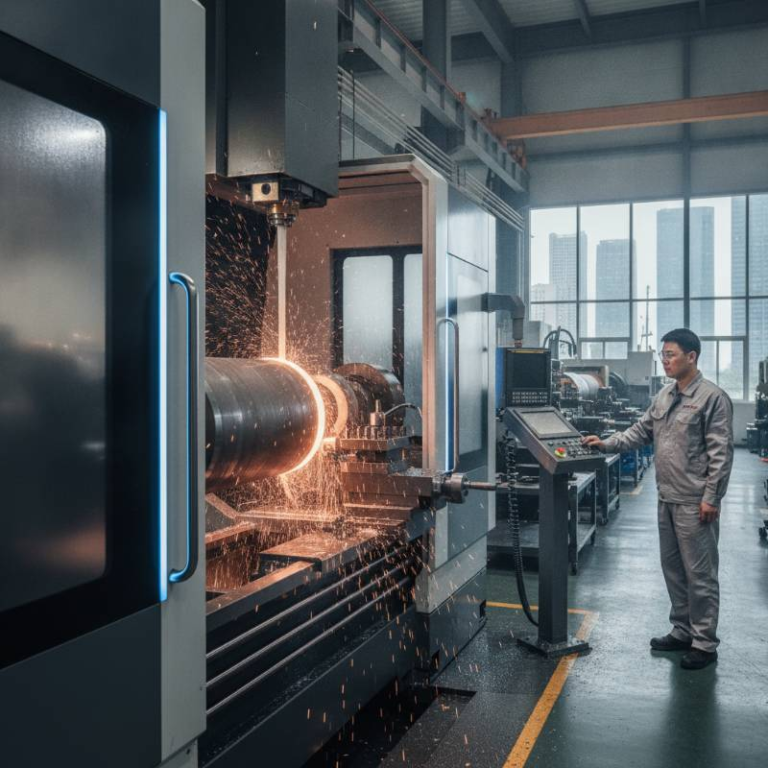
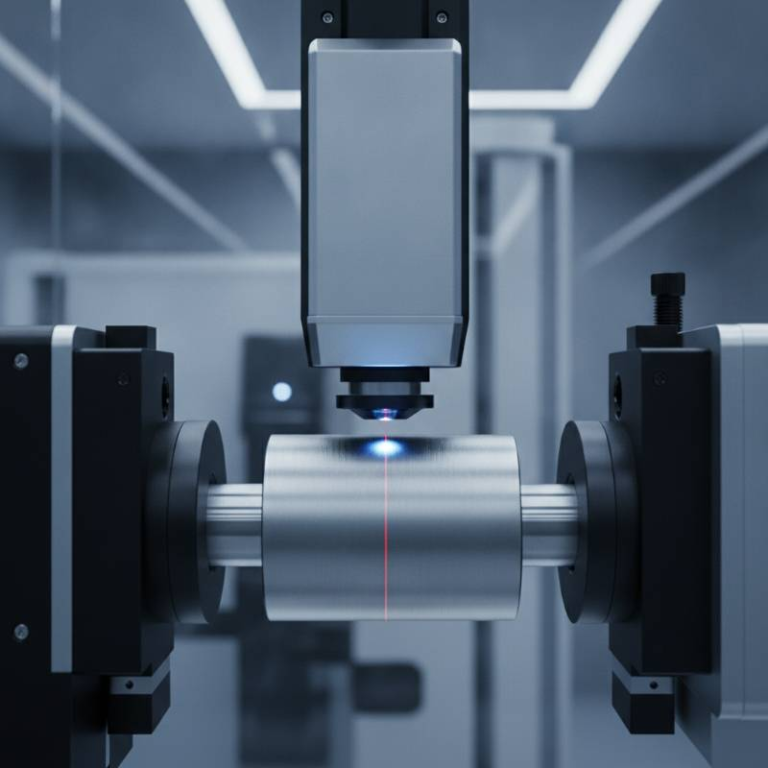
As we navigate 2026, the industry has shifted toward “smart” tooling. This evolution demands more than just precision; it requires a deep integration of medical grade mold manufacturing with data-driven validation protocols.
At Tyneen, we bridge the gap between complex engineering and strict regulatory compliance.
What is Medical Grade Mold Manufacturing?
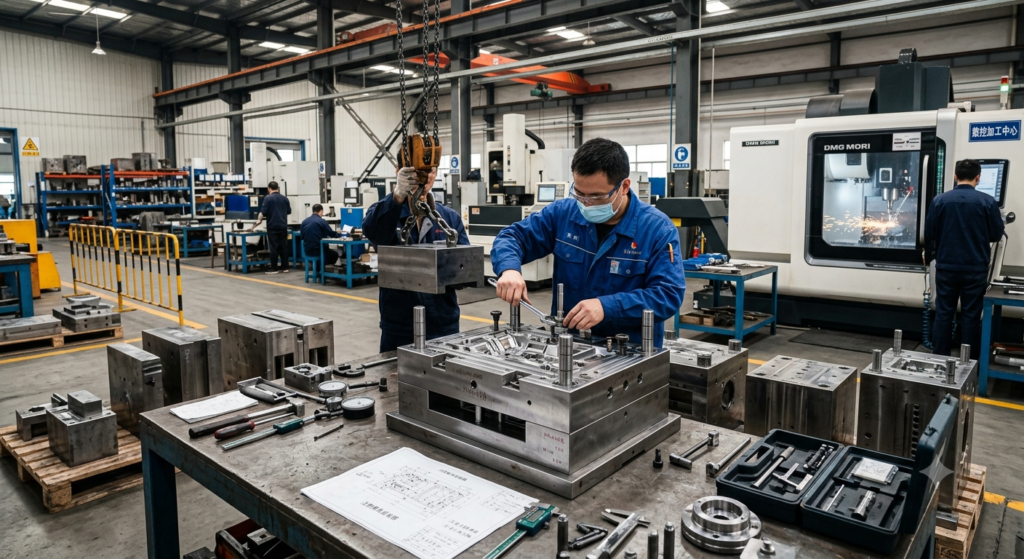
ISO 13485 Medical Grade Mold Manufacturing is a specialized discipline of precision engineering focused on producing components that meet the rigorous safety and efficacy standards of the healthcare industry. Unlike industrial molding, this process operates under a mandatory Quality Management System (QMS) that prioritizes risk management, full material traceability, and validated cleanliness.
“Medical-grade manufacturing is defined by the audit trail. If a process isn’t documented, validated, and repeatable under ISO 14971 risk standards, it doesn’t exist in the eyes of the FDA.” — Sarah Jenkins, Head of Regulatory Affairs.
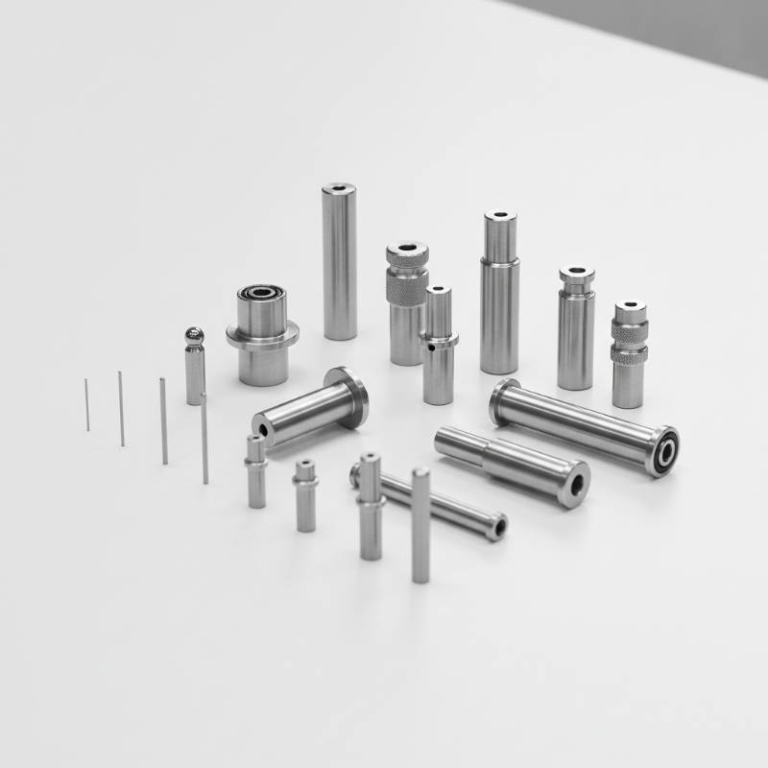
This approach encompasses everything from cleanroom injection tooling to the selection of biocompatible resins. It ensures that every part—whether a surgical handle or an IVD mold component—is identical to the last, preventing patient risk and regulatory non-compliance.
The Safe-Scale™ Validation Framework: Our Proprietary Protocol
To move beyond standard validation, we developed the Safe-Scale™ Validation Framework. This methodology ensures that when your device moves from prototype to high-volume production, the process stability remains unshakeable.
Our framework addresses the critical issue of “validation drift”—the subtle change in tool performance over time that often bypasses traditional checks. By combining Medical Injection Molding Services with live sensor data, we maintain a constant state of audit-readiness.
| Phase | Focus Area | 2026 Enhancement |
|---|---|---|
| IQ (Installation) | Equipment setup & utility verification. | Digital Twin verification. |
| OQ (Operational) | Defining the “operating window.” | AI-simulated stress testing. |
| PQ (Performance) | Long-term stability and repeatability. | Continuous automated monitoring. |
ISO 13485:2026 Compliance and Global Regulatory Traceability
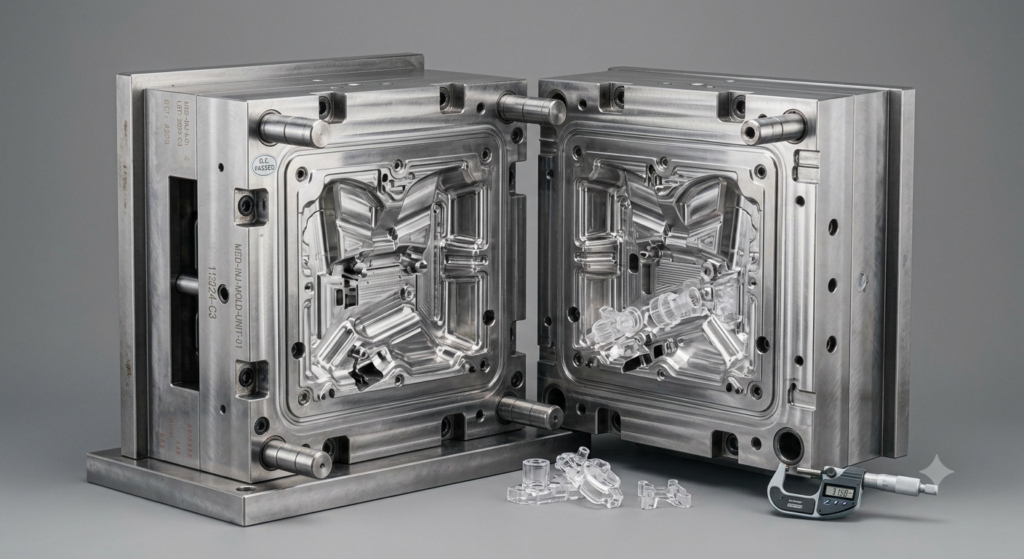
The 2026 updates to ISO 13485 standards place a heavy emphasis on the security of the digital supply chain. It is no longer enough to have physical traceability; your ISO 13485 mold maker must provide digital proof of every steel batch, heat treatment, and coating applied to the tool.
At Tyneen, we provide a comprehensive Audit Preparation Kit with every mold. This includes:
- Steel certificates and heat treat charts.
- Full dimensional reports (CPK and PPU data).
- Risk assessment documentation aligned with ISO 14971.
- Traceability logs for all cleanroom injection tooling maintenance.
Cleanroom Injection Tooling for IVD and Surgical Devices
For IVD mold manufacturing, the environment is as critical as the tool itself. In-Vitro Diagnostic devices often require high-cavitation molds with micro-fluidic features that can be compromised by a single dust particle.
We operate within ISO Class 7 and 8 cleanrooms (per ISO 14644) to ensure sterility. Our cleanroom injection tooling is designed for high-speed, automated part handling. By removing human touchpoints, we drastically reduce the risk of bio-burden contamination.
Case Study: High-Cavitation IVD Mold Success
We recently scaled an IVD cassette from a 4-cavity pilot tool to a 64-cavity production system. By using 100% hot runner systems and stainless steel mold bases, we achieved a cycle time reduction of 15% while maintaining a 0.005mm tolerance across all cavities.
Advanced Material Science: USP Class VI & Bio-Polymer Validation
The 2026 push for sustainability has introduced a new challenge: integrating bio-polymers into medical devices without failing sterility tests. We specialize in validating USP Class VI materials and medical-grade resins that offer both chemical resistance and a lower carbon footprint.
Our engineers assist in selecting thermoplastics that withstand aggressive sterilization methods, including ETO, Gamma, and Autoclave, ensuring your IVD Device Development remains compliant with the latest MDR regulations.
AI-Driven Predictive Maintenance in Medical Tooling
The hidden cost of non-compliance usually stems from unexpected tool wear. In 2026, we’ve moved past reactive repairs. Our medical grade mold manufacturing process now incorporates AI-process monitoring.
By embedding sensors within the mold, we track pressure, temperature, and cycle consistency in real-time. This data feeds into a live dashboard that predicts when a component (like a core pin or ejector) is nearing its fatigue limit. We replace parts before they fail, preventing “validation drift” and ensuring your audit trail remains pristine.
Reshoring vs. Global Supply: A Risk-Adjusted Decision Matrix
For procurement managers, the “cheapest” mold often becomes the most expensive after accounting for shipping delays, quality failures, and travel for audits. We recommend evaluating your ISO 13485 mold maker based on the Total Cost of Ownership (TCO).
- Localized Transparency: Real-time access to the shop floor via digital portals.
- Regulatory Speed: Faster turnaround on IQ/OQ/PQ documentation.
- Supply Chain Resilience: Reduced exposure to geopolitical disruptions.
Frequently Asked Questions
What are typical lead times for a medical-grade mold?
For a standard single-cavity prototype, lead times range from 4-6 weeks. High-cavitation production tools (16+ cavities) typically require 12-18 weeks, including full validation cycles.
Can you transfer existing tooling to your facility?
Yes. Our mold transfer protocol involves a comprehensive tool audit, maintenance check, and a re-validation (PQ) to ensure the tool meets our ISO 13485 standards before entering production.
Does ISO 13485 certification increase the cost of tooling?
The upfront cost is higher due to the rigorous documentation and validation requirements. However, this investment significantly reduces the risk of product recalls and FDA warning letters, which are far more costly.
Ready to Scale Your Medical Device?
Partner with an ISO 13485 certified leader in medical grade mold manufacturing. Let’s build your next breakthrough with precision and compliance.