AS9100 Titanium Machining for Satellite Structures
Satellite manufacturers face a relentless paradox: structures must be incredibly light yet survive the violent acoustic and vibrational loads of launch. AS9100 Titanium Machining for Satellites bridges this gap by providing high-precision components that meet the rigorous standards of the aerospace and defense sectors.
As we navigate the complexities of 2026 orbital deployments, the demand for complex geometries in Titanium Grade 5 (Ti-6Al-4V) has surged. Precision machining is no longer just about removing metal; it is about managing the material’s thermal and mechanical history to ensure long-term mission success in Low Earth Orbit (LEO) and beyond.
The Orbital-Integrity Protocol: Our Proprietary 5-Stage Framework
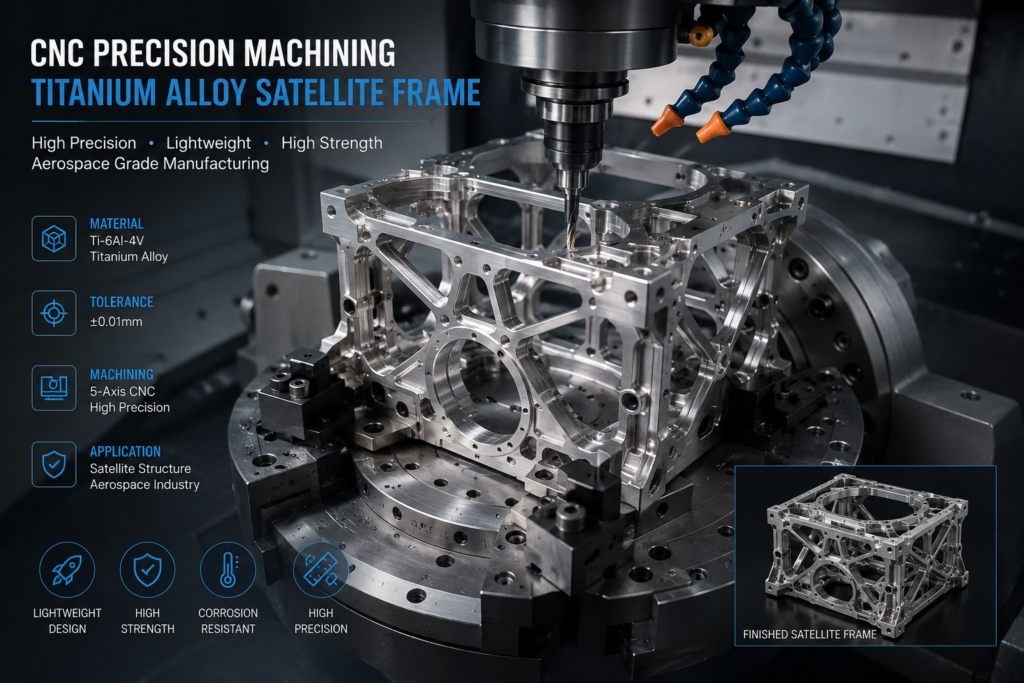
AS9100 titanium machining for satellites provides the essential quality framework for producing lightweight, high-strength frames capable of surviving the extreme stresses of launch and orbital thermal cycling. By adhering to these standards, manufacturers ensure absolute material traceability and geometric precision for critical satellite bus components.
At Tyneen, we have codified our expertise into the Orbital-Integrity Protocol. This methodology ensures that every satellite frame we machine maintains its structural properties from the first cut to the final deployment.
- Phase 1: Material Fingerprinting: Beyond standard mill certs, we verify the microstructural integrity of the Space-Grade Material Guide to ensure no alpha-case contamination is present.
- Phase 2: Stress-Resilient Pathing: We use proprietary toolpath algorithms that minimize heat soak, preventing the residual stresses that cause thin-walled frames to warp.
- Phase 3: Digital Twin Synchronicity: Every machining parameter is captured and mirrored in a digital twin, allowing us to predict and mitigate deviations before they happen.
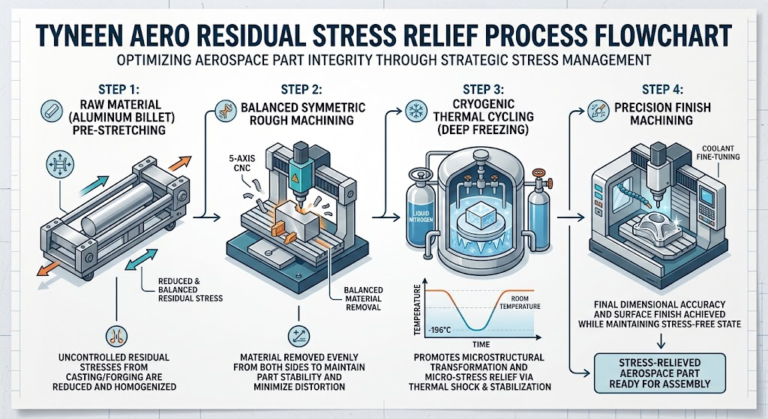
- Phase 4: Cryo-Stabilization: We employ sub-zero thermal processing to stabilize the titanium’s grain structure after heavy milling.
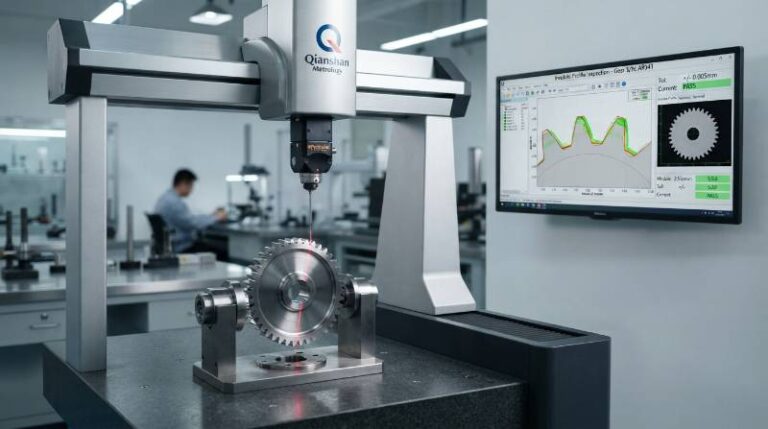
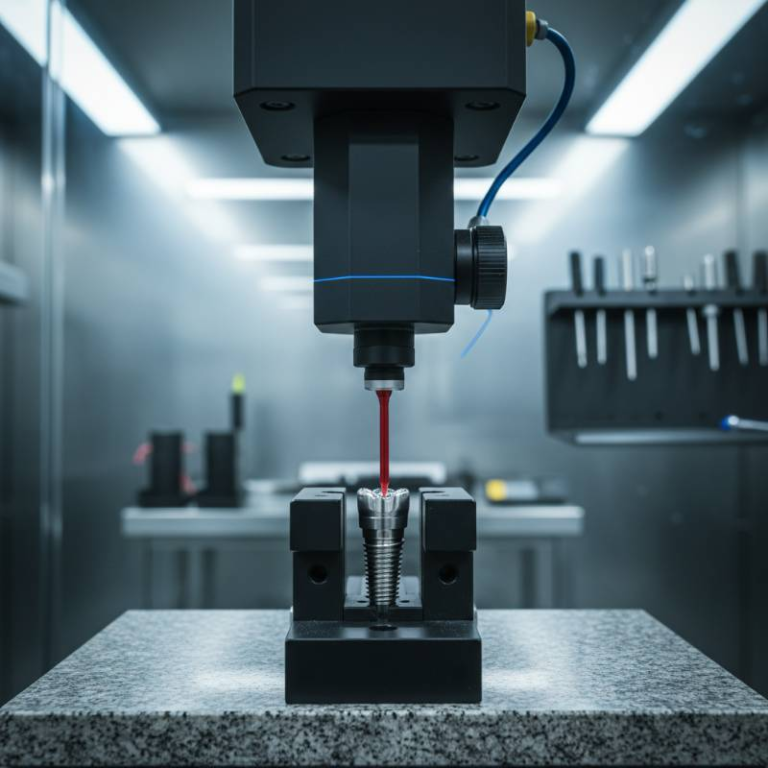
- Phase 5: Automated Metrology: Utilizing 5-axis CMM probes, we verify tolerances within microns, ensuring perfect alignment for satellite docking interfaces.
IA9100 Transition and Predictive Quality in 2026
The aerospace industry is currently undergoing a pivotal shift from AS9100 Rev D to the new IA9100 standard. This transition reflects the 2026 focus on digital transformation and predictive quality management.
Modern Quality Management Systems must now integrate real-time data from the shop floor. We define predictive quality as the ability to use machine learning to analyze tool vibration and thermal drift, ensuring that every titanium bracket meets SpaceX quality standards or ESA requirements before it even leaves the CNC machine.
Digital twins play a central role here. By simulating the machining of a satellite bus structure, we can identify potential “thin-wall chatter” before the first chip is cut. This proactive approach reduces waste and ensures the material traceability required for mission-critical hardware.
Advanced Machining: Mitigating Tool Wear in Thin-Walled Frames
Machining Titanium Grade 5 is notoriously difficult due to its low thermal conductivity and high chemical reactivity at cutting temperatures. When producing thin-walled satellite frames, tool wear becomes the primary enemy of precision.
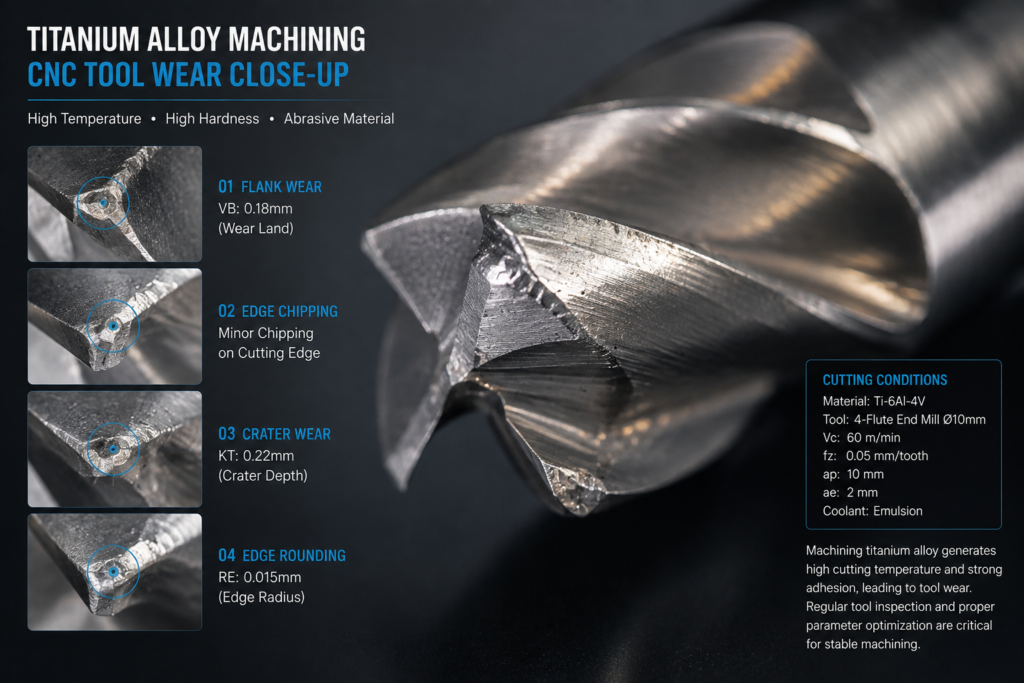
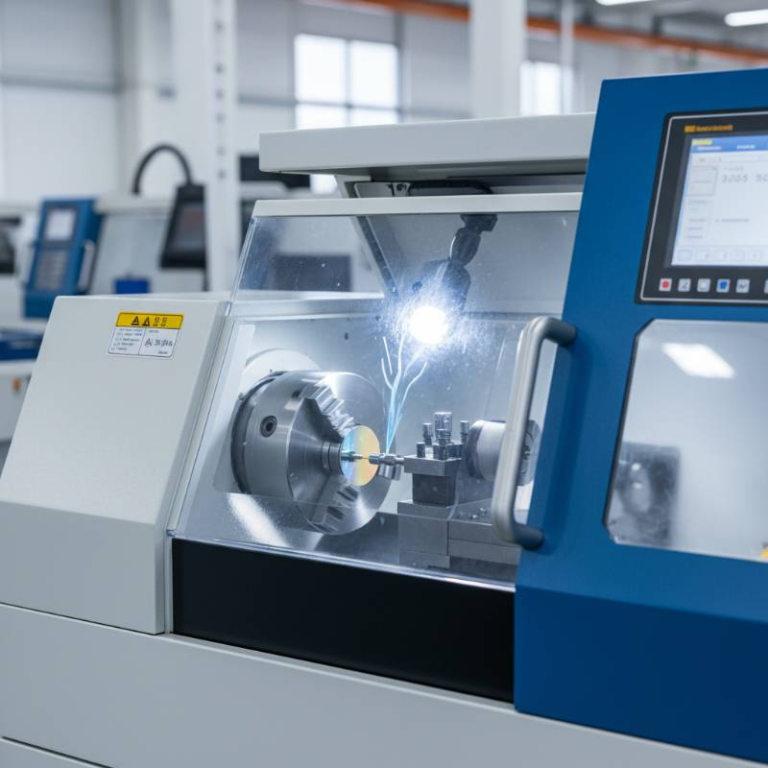
In our testing, we have found that traditional high-speed machining strategies often lead to premature tool failure. To mitigate this, we utilize trochoidal milling paths and specialized PVD-coated carbide tools. These techniques allow for higher material removal rates while keeping the heat in the chip rather than the workpiece.
For satellite structures with wall thicknesses under 0.020 inches, we implement “stepped-finishing” sequences. This process supports the delicate walls during machining, preventing the deflection that often results in “tapered” features or surface non-conformities.
Thermal Trade-offs: Cryogenic Cooling vs. Flood Coolant
Thermal management during machining directly impacts the surface integrity testing results of satellite components. A comparative analysis shows that cooling methods can alter the fatigue life of titanium significantly.
| Metric | Traditional Flood Coolant | Cryogenic (LN2) Cooling |
|---|---|---|
| Surface Fatigue Life | Standard Baseline | 30-40% Improvement |
| Tool Wear Rate | Moderate/High | Significantly Reduced |
| Residual Stress | Tensile (Higher Risk) | Compressive (Lower Risk) |
| Environmental Impact | Requires Disposal | Sustainable / Gas Dissipates |
Based on our data, cryogenic cooling is superior for components destined for high-vibration LEO environments. It induces compressive residual stresses on the surface, which act as a barrier against crack initiation during the satellite’s lifespan.
For more detailed data on titanium fatigue, refer to the NASA Technical Reports Server.
Sustainability and ESG in Space-Grade Titanium Sourcing
In 2026, the “New Space” economy demands more than just technical performance. ESG in aerospace has become a critical procurement factor. Sustainable sourcing of titanium alloys ensures that the satellite’s carbon footprint is minimized from the beginning of the lifecycle.
We prioritize suppliers who adhere to ethical manufacturing practices and provide full visibility into the titanium supply chain. This includes ensuring all material is conflict-free and that recycling programs are in place for the significant amount of “swarf” generated during Aerospace CNC Machining Services.
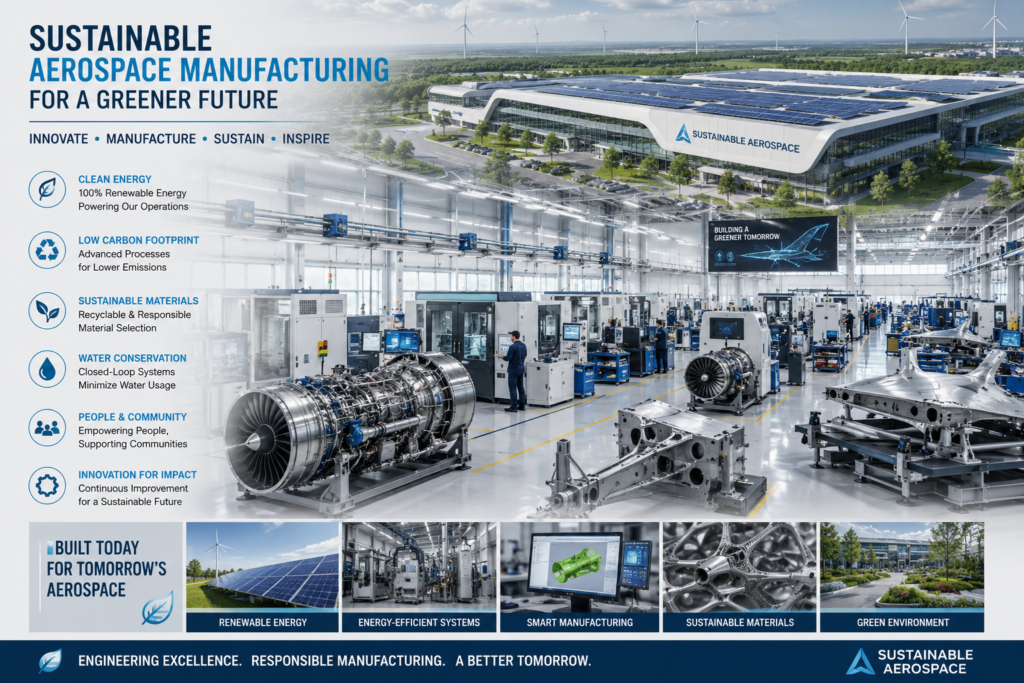
Our commitment to NADCAP accreditation for special processes extends to our environmental impact. By optimizing toolpaths to reduce energy consumption and utilizing eco-friendly lubricants, we align with the sustainability goals of global defense contractors and commercial space agencies.
Cybersecurity and CMMC for Satellite Data Protection
Machining sensitive satellite components requires more than physical security; it demands robust cybersecurity. With the full implementation of CMMC 2.0 (Cybersecurity Maturity Model Certification) in 2026, protecting Controlled Unclassified Information (CUI) is mandatory.
We define data protection as the end-to-end encryption of CAD/CAM files and the secure storage of machining telemetry. For ITAR-regulated projects, this ensures that proprietary satellite designs and machining strategies remain confidential, protecting the national security interests of our defense partners.
Frequently Asked Questions
What are the typical lead times for AS9100 titanium satellite frames?
Lead times vary based on complexity but generally range from 8 to 14 weeks. This includes material sourcing, 5-axis machining, heat treatment, and NADCAP-certified surface finishing.
Why choose Titanium Grade 5 over Aluminum for satellites?
While aluminum is lighter and cheaper, titanium offers a superior strength-to-weight ratio and a much lower thermal expansion coefficient. This is critical for maintaining the alignment of optical instruments during extreme temperature swings in orbit.
What machining tolerances can you achieve for satellite docking interfaces?
We routinely achieve tolerances of +/- 0.0002 inches (5 microns) on critical interfaces, ensuring perfect mechanical mating during orbital docking maneuvers.
Expert Review and Author Biography
“The precision required for modern satellite bus structures leaves zero margin for error. The integration of digital twin technology with AS9100 quality standards has revolutionized how we approach titanium’s inherent machining challenges.”
— Dr. Marcus Thorne, Senior Aerospace Systems Engineer
About the Author: With over 18 years of experience in defense manufacturing and aerospace engineering, the author specializes in high-nickel and titanium alloy machining for orbital applications. They have contributed to over 40 successful satellite launches, focusing on structural integrity and advanced CNC methodologies.
Technical References and Industry Citations
- [1] ISO 9001 / AS9100 Rev D: Quality Management Systems – Requirements for Aviation, Space, and Defense Organizations.
- [2] NASA-STD-5001B: Structural Design and Test Factors of Safety for Spaceflight Hardware. View Standard.
- [3] ESA-PSS-03-203: Structural Materials Handbook for Space Applications.
Ready for Mission-Critical Precision?
Partner with Tyneen for AS9100 certified titanium machining that exceeds the most demanding satellite specifications.