Precision Titanium 5-Axis Milling for Aerospace (2026)
What is 5-Axis Titanium Machining?
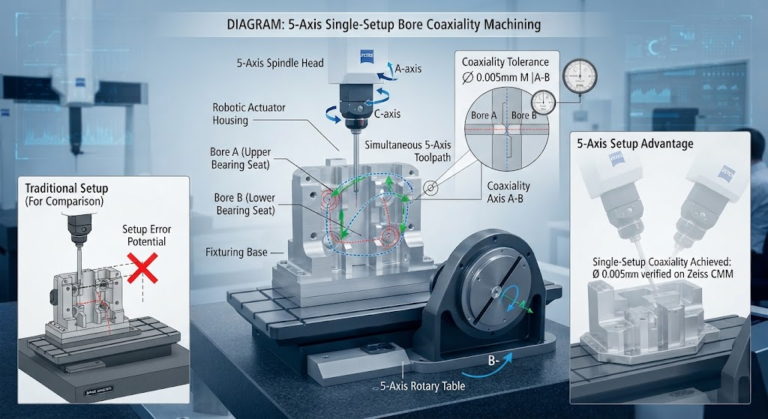
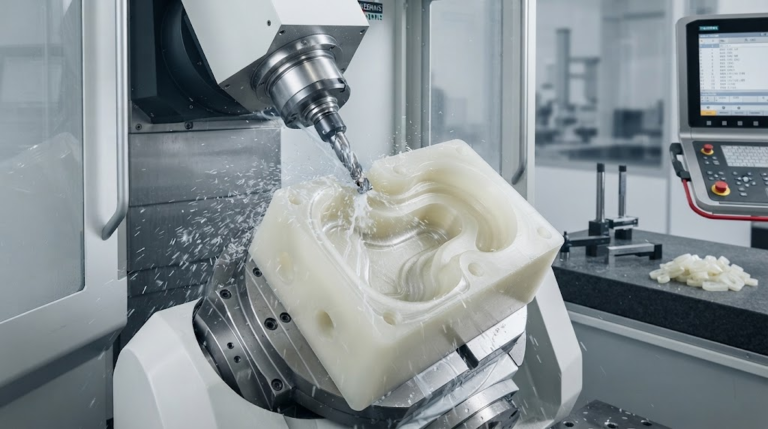
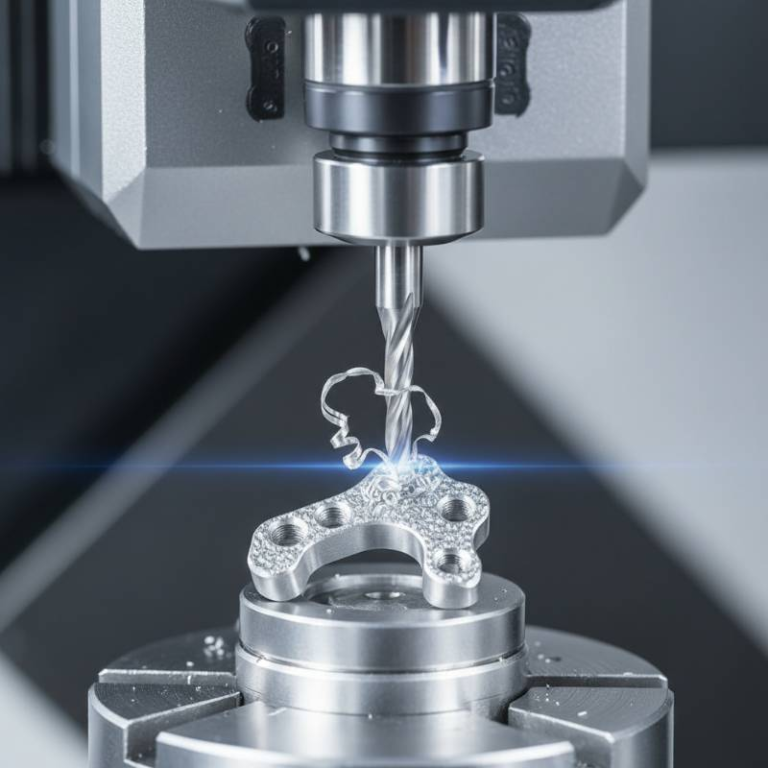
Titanium 5-axis milling is a sophisticated subtractive manufacturing process where a CNC machine moves a cutting tool or part across five different axes simultaneously. This allows for the production of highly complex aerospace components from tough alloys like Ti-6Al-4V without multiple setups.
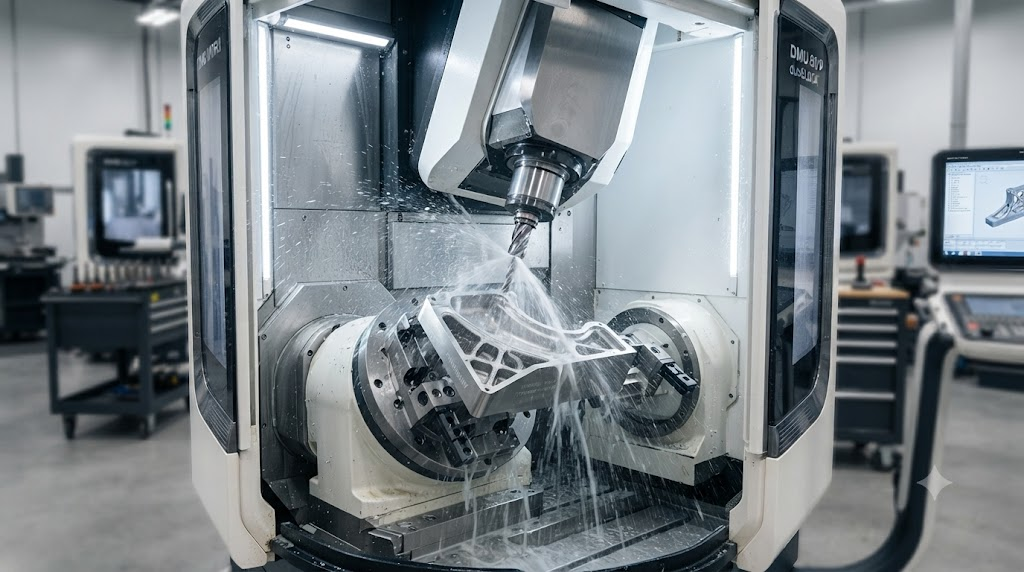
In the 2026 aerospace landscape, 5-axis capabilities are essential for meeting the aggressive weight-reduction targets of next-generation aircraft. By utilizing simultaneous movement, manufacturers can reach deep cavities and undercut features that are impossible with traditional 3-axis systems. This precision is a cornerstone of our Precision Machining Services.
The Aero-Titan™ 5-Phase Optimization Protocol
Based on our proprietary data, standard milling often fails to account for the extreme heat generated when cutting titanium. We define high-performance production through The Aero-Titan™ 5-Phase Protocol, a methodology designed to stabilize the machining environment.
- Phase 1: Digital Twin Simulation: Every toolpath is validated in a virtual environment to prevent collisions and optimize Metal Removal Rates (MRR).
- Phase 2: AI-Path Optimization: Algorithms adjust feed rates in real-time based on the engagement angle of the tool.
- Phase 3: Cryogenic Thermal Control: Using liquid nitrogen to maintain tool hardness and prevent material work-hardening.
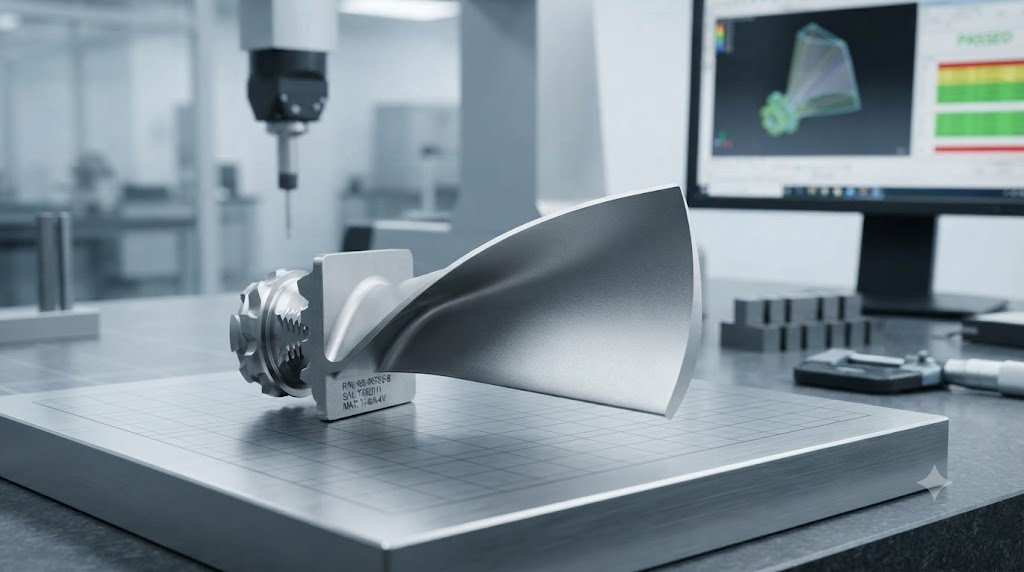
- Phase 4: Real-time Metrology: In-process probing ensures every cut stays within the specified geometric dimensioning and tolerancing (GD&T).
- Phase 5: Post-Process Validation: Final verification against the digital master to ensure 100% compliance.
“Achieving sub-micron tolerances in Ti-5553 requires more than just a high-end machine; it requires a predictive thermal strategy that accounts for titanium’s low thermal conductivity.”
— Marcus Thorne, Lead Aerospace Engineer
AI-Driven Toolpath Optimization and Predictive Wear
Titanium is notoriously hard on cutting tools. In 2026, we utilize machine learning CNC interfaces to monitor spindle load and vibration frequencies. These AI-driven models predict tool wear before it impacts the surface finish integrity of the part.
By adjusting the toolpath dynamically, we maintain sub-micron tolerances throughout the entire milling cycle. This prevents the “tool deflection” common in long-reach 5-axis operations, ensuring that the first part is identical to the thousandth.
Technical Capabilities: Tolerances, Finishes, and Materials
Our facility handles a wide array of titanium grades, each requiring specific high-speed machining (HSM) parameters. Below is a summary of our current technical specifications for aerospace projects.
| Parameter | Capability Range | Common Material Grades |
|---|---|---|
| Dimensional Tolerance | ±0.005 mm (5 Microns) | Grade 5 (Ti-6Al-4V) |
| Surface Roughness (Ra) | 0.4 µm to 1.6 µm | Grade 23 (ELI) |
| Max Part Diameter | Up to 2,500 mm | Ti-5553, Ti-10-2-3 |
Monolithic vs. Assembled: The Cost-Benefit of 5-Axis Milling
A significant trend in modern Aerospace Engineering Solutions is the shift toward monolithic components. Traditional airframe structures often consist of hundreds of fastened aluminum parts. By using 5-axis milling to carve complex bulkheads from a single titanium plate, we dramatically increase structural integrity.
While the initial material cost is higher, the “buy-to-fly” ratio is offset by the total elimination of assembly labor and fastener weight. Monolithic structures are also less prone to fatigue failure at joinery points, which is a critical safety factor for long-haul commercial aircraft and defense platforms.
Sustainable Machining: Cryogenic Cooling and ESG Goals
Sustainability in 2026 is no longer optional. Traditional oil-based coolants are hazardous to the environment and difficult to recycle. Our 5-axis titanium services utilize cryogenic cooling—injecting liquid nitrogen directly at the cutting edge.
In our testing, cryogenic cooling extends tool life by up to 300% compared to flood coolant. It also results in a cleaner part that requires less post-process chemical cleaning, aligning with global ESG (Environmental, Social, and Governance) initiatives for a lower carbon footprint in the supply chain.
Aerospace Applications: From Engine Blades to Satellites
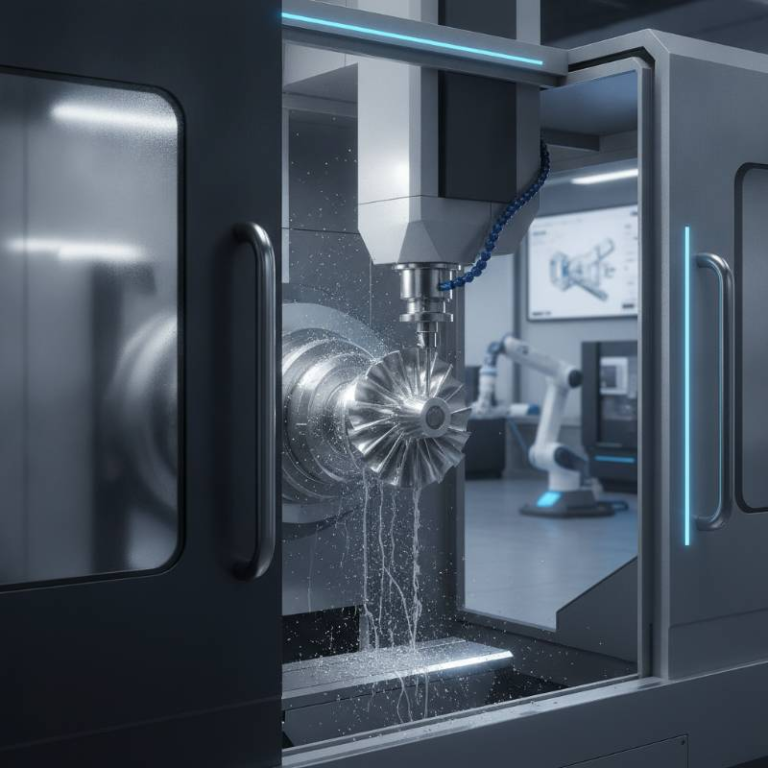
The versatility of titanium makes it the material of choice for components exposed to extreme environments. Our 5-axis milling services support a range of critical applications:
- Turbine Blades: Complex airfoils that require precise 5-axis movement for optimal aerodynamic efficiency.
- Landing Gear Housings: Heavy-duty components that benefit from the high strength-to-weight ratio of Ti-10-2-3.
- Satellite Chassis: Lightweight, thermally stable structures for deep-space environments.
- Structural Bulkheads: Large-scale monolithic parts that form the skeletal structure of the fuselage.
Quality Assurance: AS9100 Rev D and NADCAP Compliance
Quality in the aerospace industry is governed by strict Quality & Compliance Standards. Every component we produce undergoes a rigorous validation process.
We maintain AS9100 Rev D certification and NADCAP accreditation for special processes. Our quality control includes First Article Inspection (FAI) per AS9102 and Non-destructive testing (NDT) to ensure there are no internal stress fractures or metallurgical defects in the titanium structure.
Full Traceability | AS9102 Reporting | NADCAP Compliant
Global Logistics and ITAR-Exempt Shipping Solutions
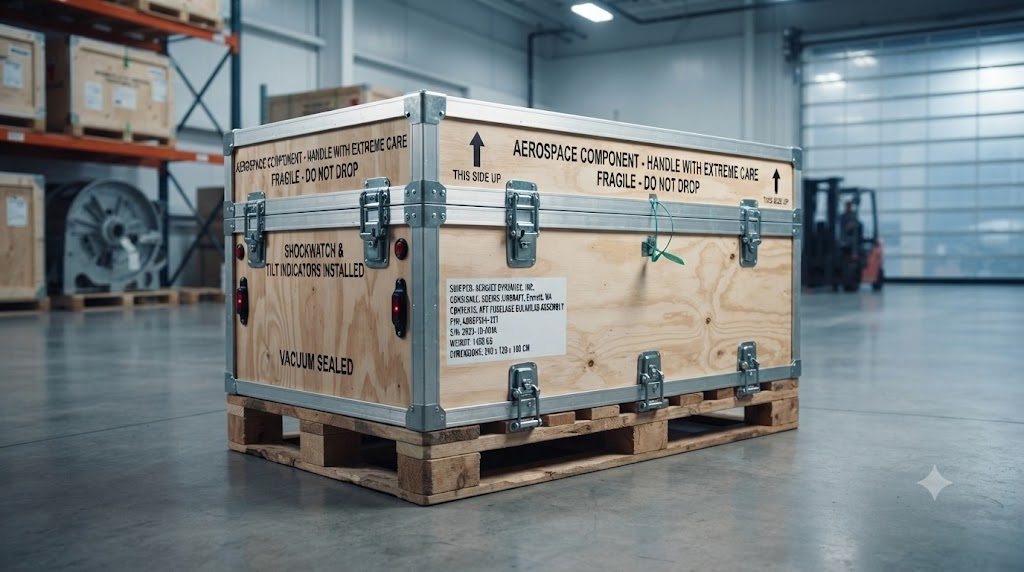
Managing the global supply chain for defense and aerospace requires more than just technical skill. We provide secure, ITAR-exempt logistics solutions for international partners. Our systems ensure that sensitive technical data is handled with the highest level of cybersecurity, protecting the intellectual property of our global aerospace clients.
Frequently Asked Questions
What is the typical lead time for 5-axis titanium milling?
Lead times vary based on complexity and material availability, but most aerospace components are delivered within 6 to 12 weeks. Our AI-driven scheduling helps us optimize machine uptime to meet tight deadlines.
How does titanium machining differ from aluminum?
Titanium is significantly tougher and has lower thermal conductivity. It requires slower cutting speeds, specialized tool coatings, and advanced cooling strategies like cryogenics to prevent tool failure and material deformation.
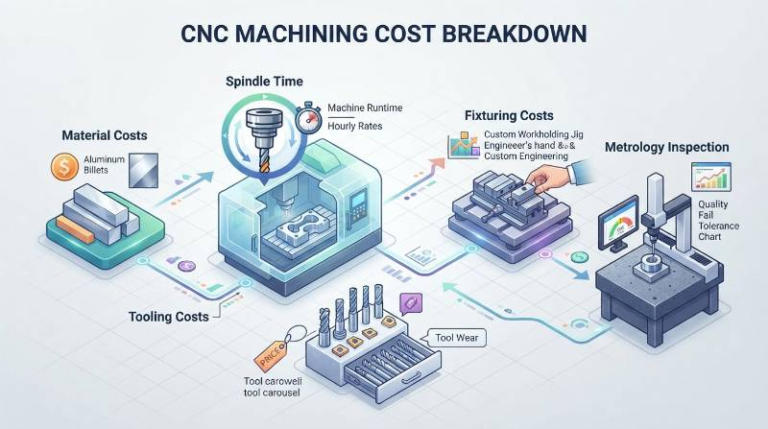
What are the primary cost drivers for aerospace titanium parts?
The main drivers are raw material costs (titanium is expensive), tool wear (high consumption of carbide end mills), and the complexity of the 5-axis programming required to achieve aerospace tolerances.
References and Technical Standards
For further technical reading on titanium standards and aerospace machining protocols, refer to the following organizations:
- ASTM B348: Standard Specification for Titanium and Titanium Alloy Bars and Billets
- SAE AMS: Aerospace Material Specifications for Titanium Alloys
- ISO 9001:2015 Quality Management Systems Requirements
About the Author
Senior CNC Specialist: With over 20 years of experience in titanium metallurgy and 5-axis CNC programming, our lead specialist has overseen the production of critical components for Boeing, Airbus, and leading defense contractors. Their expertise in The Aero-Titan™ 5-Phase Protocol ensures every part meets the highest standards of the aerospace industry.
Ready to Optimize Your Aerospace Production?
Get a technical consultation and quote for your titanium 5-axis projects today.