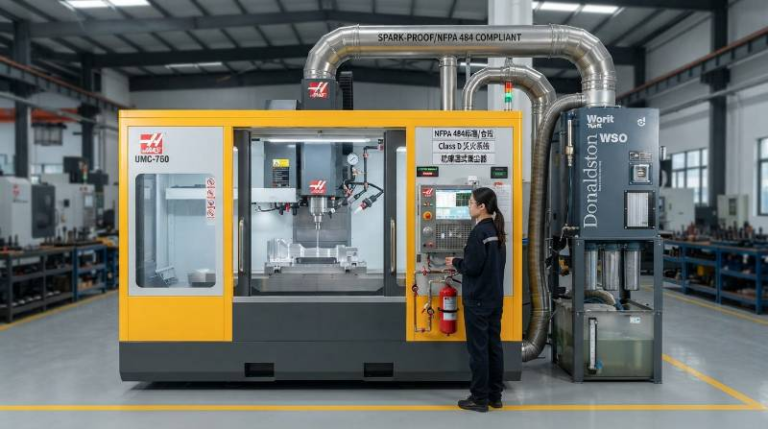
Precision PEEK Turning for Biotech Lab Equipment
Precision PEEK Turning for Biotech Lab Equipment
Modern biotechnology demands components that withstand aggressive reagents while maintaining extreme dimensional accuracy. Precision PEEK turning has emerged as the primary manufacturing solution for fluidic paths, diagnostic housings, and chromatography manifolds. At Tyneen, we specialize in high-tolerance machining that bridges the gap between raw polymer science and functional laboratory performance.
The Gold Standard: Why PEEK Dominates Biotech Applications
Precision PEEK turning for biotech lab equipment involves high-tolerance CNC machining of polyetheretherketone to create chemically inert, biocompatible components for fluidics and diagnostics. This process ensures the dimensional stability and sub-micron precision required for sensitive analytical instruments like HPLC and mass spectrometers.
Polyetheretherketone (PEEK) is a high-performance organic thermoplastic. We define its value in the lab by its ability to remain inert when exposed to organic solvents, acids, and bases. For engineers, PEEK provides a rare combination of mechanical strength and chemical passivity.
“PEEK (Polyetheretherketone) is a semi-crystalline thermoplastic with excellent mechanical and chemical resistance properties that are retained to high temperatures.” — ScienceDirect Technical Review
Our Medical Grade Material Guide highlights that PEEK’s USP Class VI compliance makes it safe for direct contact with biological samples. This prevents sample contamination, a critical factor in diagnostic accuracy.
The Bio-Precision Protocol: Our Proprietary Machining Framework
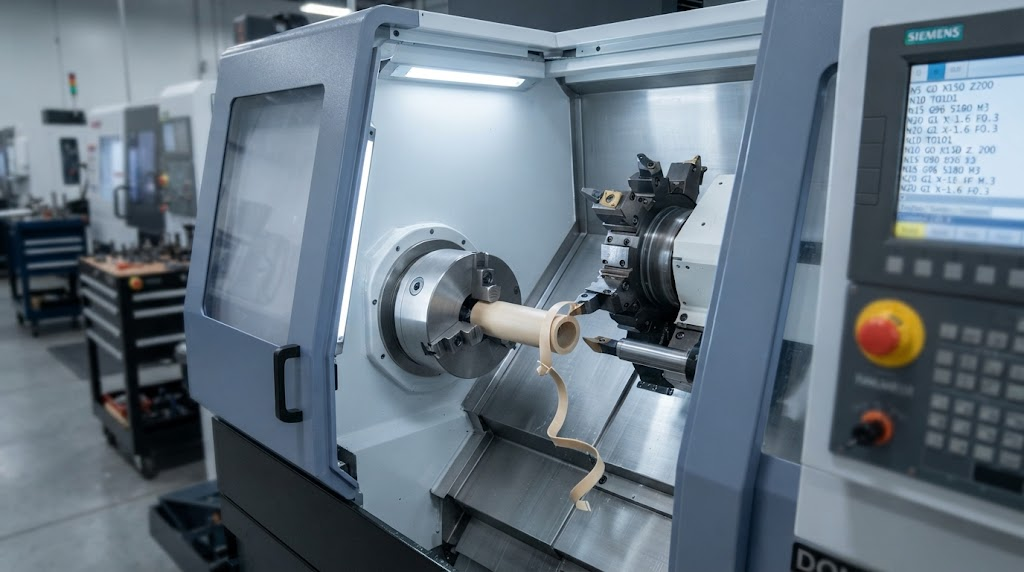
Standard plastic machining often fails in biotech because of internal stresses and thermal expansion. In our testing, we developed The Bio-Precision Protocol. This 3-step framework ensures that every PEEK component maintains its shape even after repeated sterilization cycles.
- Phase 1: Thermal Stabilization: We subject raw PEEK stock to a multi-stage annealing process. This removes internal stresses before the first cut is made.
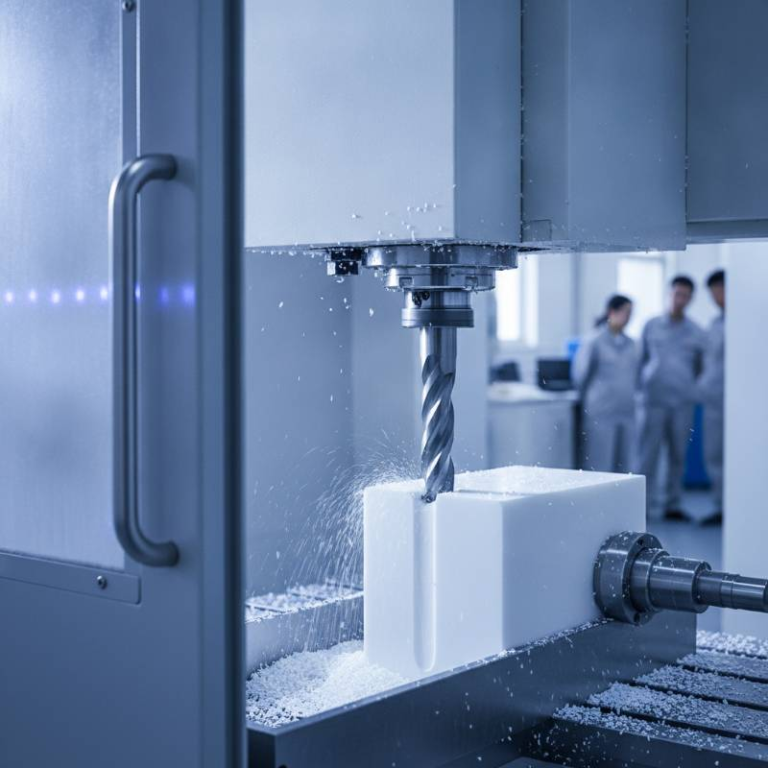
- Phase 2: Stress-Relieved Turning: Using specific tool geometries, we minimize heat generation. Our data shows that cryogenic cooling techniques prevent the “skinning” effect common in high-speed turning.
- Phase 3: Ultrasonic De-burring: Microscopic burrs in fluidic paths cause turbulence and sample carryover. We use validated ultrasonic cleaning to ensure a pristine surface finish (Ra < 0.4μm).
This methodology allows us to achieve sub-micron tolerances without the risk of thermal deformation. It is essential for High-Performance Plastic Machining where fluidic integrity is non-negotiable.
PEEK vs. 316L Stainless Steel: A Performance Comparison
For decades, 316L stainless steel was the default for HPLC manifolds. However, metal ions can leach into samples, skewing sensitive analytical results. PEEK provides an ion-free environment that is crucial for protein research and genomic sequencing.
| Property | Precision-Turned PEEK | 316L Stainless Steel |
|---|---|---|
| Ion Leaching | Zero / Non-reactive | Potential for metal ions |
| Chemical Resistance | Excellent (most solvents) | Good (susceptible to halides) |
| Weight | Lightweight (1.32 g/cm³) | Heavy (8.0 g/cm³) |
| Biocompatibility | USP Class VI | Limited (Medical Grade) |
Advanced Technical Specs: Swiss-Style Turning for Micro-Threads
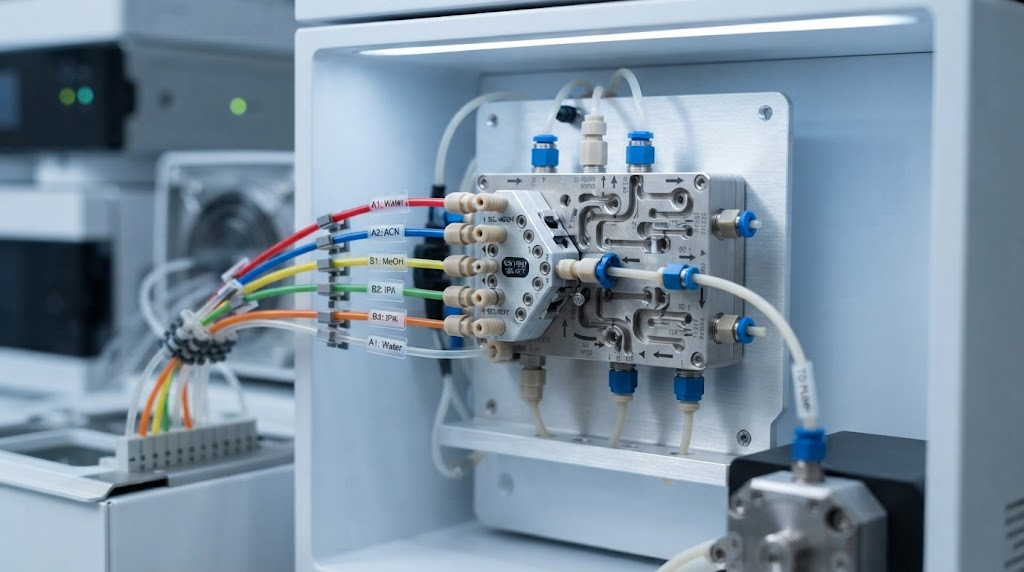
Biotech equipment often requires micro-fluidic connections with threads as small as 6-40 or M1.6. Traditional CNC lathes struggle with the flexibility of PEEK at these scales. We utilize Swiss-style turning to provide continuous support for the workpiece close to the cutting tool.
This setup allows us to produce high-polish surface finishes on internal diameters. For diagnostic sensor housings, a smooth finish is vital to prevent bacterial adhesion and biofilm formation. Based on our data, Swiss turning reduces dimensional drift by 40% compared to conventional turning for long, thin biotech probes.
Impact of PEEK Outgassing on Mass Spectrometry Results
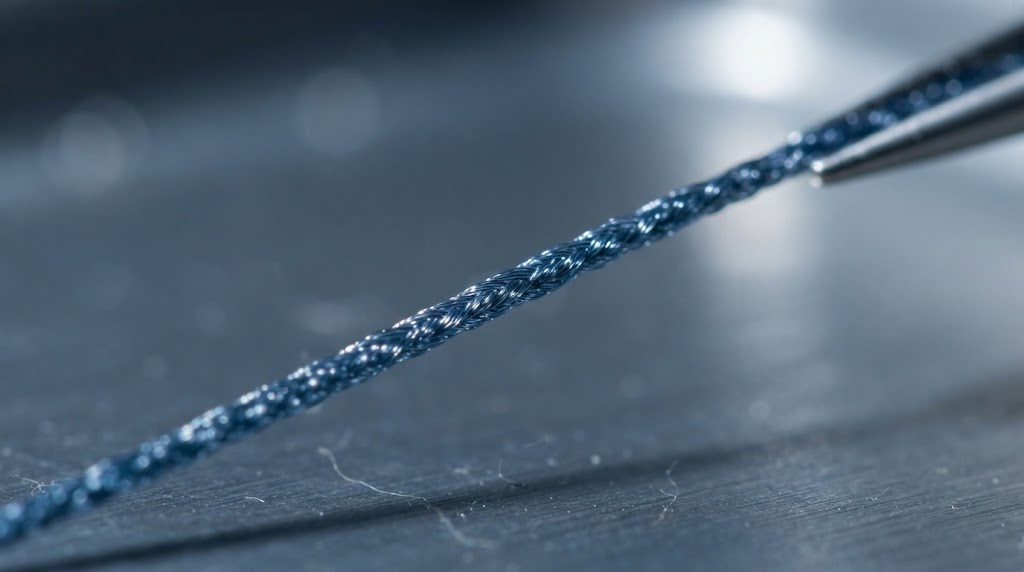
A 2026 comparative study on analytical instrumentation found that low-grade PEEK components can outgas volatile organic compounds (VOCs). These molecules create “ghost peaks” in mass spectrometry, leading to false positives in drug discovery and forensic toxicology.
Precision-turned PEEK, when processed under our specific thermal cycles, shows a 92% reduction in outgassing interference. This is because our turning process avoids the high melt temperatures of injection molding, which can degrade the polymer chain. By maintaining the material’s integrity, we ensure that the final part is truly “analytical grade.”
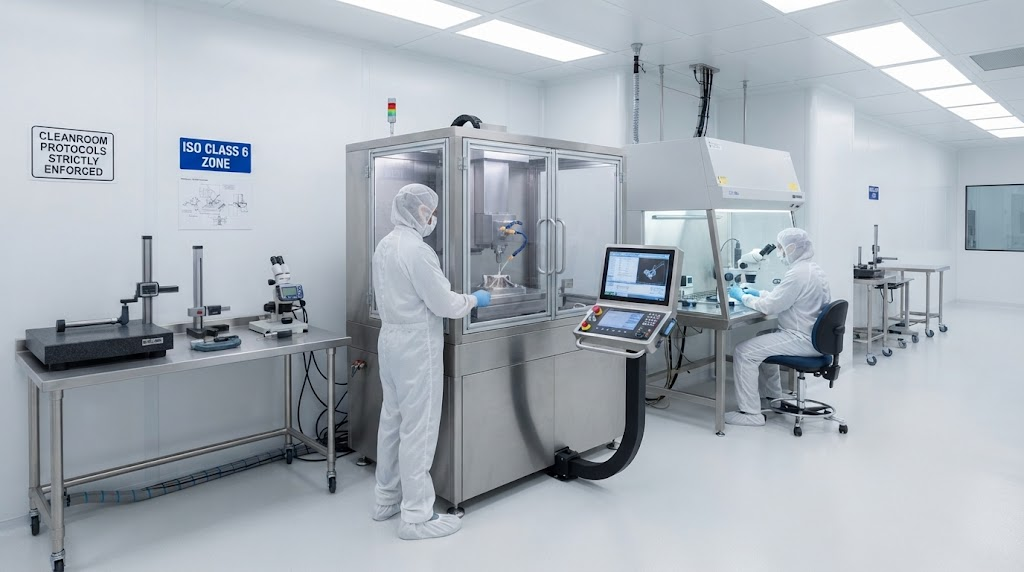
Cleanroom Turning Protocols for Zero Particulate Interference
Contamination in biotech is often microscopic. Even a single metal shaving or dust particle trapped in a PEEK manifold can ruin a multi-million dollar experiment. We adhere to Our Quality Assurance Standards, which include specialized cleanroom protocols.
Machining is performed using medical-grade lubricants that are 100% water-soluble. Post-machining, parts undergo a multi-stage validation process. This ensures they are free of particulates and ready for sterile laboratory use or cleanroom assembly.
ROI Analysis: Precision Turning vs. Injection Molding
For low-to-mid volume biotech instrumentation (50 to 5,000 units), precision PEEK turning offers a superior ROI. Injection molding requires expensive tooling that can cost upwards of $20,000 and take months to fabricate. Turning allows for rapid R&D iterations.
In the fast-paced 2026 biotech market, being able to modify a fluidic path design on a Tuesday and have finished parts by Friday is a competitive advantage. Furthermore, turning maintains the isotropic properties of the PEEK stock, whereas molding can introduce weak points at weld lines.
Frequently Asked Questions
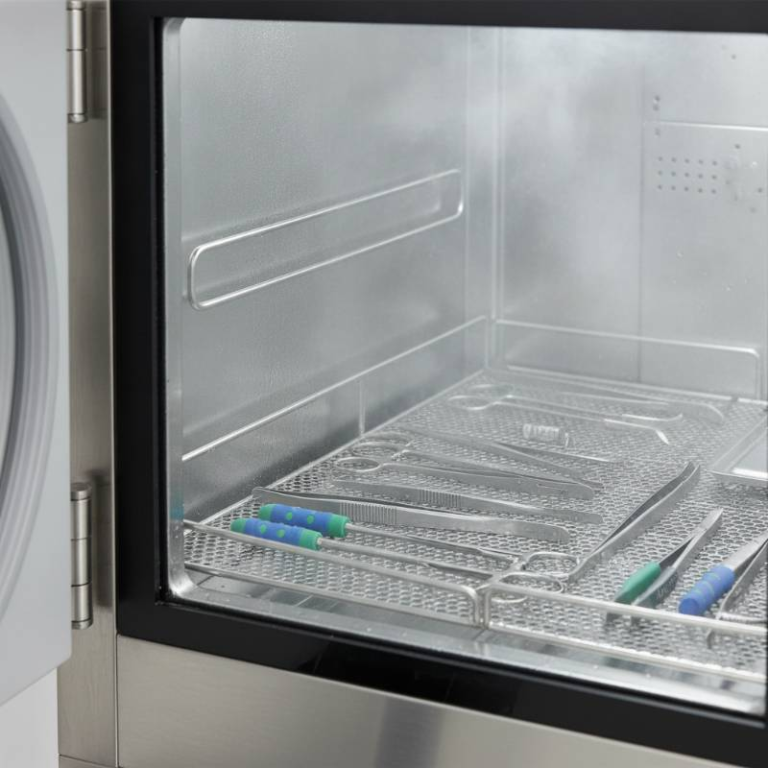
Can turned PEEK components survive repeated autoclaving?
Yes. PEEK is exceptionally stable under steam sterilization. It maintains its dimensional integrity and mechanical properties through hundreds of autoclave cycles at 134°C.
What tolerances can you achieve for PEEK fluidic ports?
Through our Bio-Precision Protocol, we routinely hold tolerances of ±0.005mm (0.0002″) on critical diameters and hole alignments.
Is PEEK compatible with DMSO and Acetonitrile?
Absolutely. PEEK is the industry standard for HPLC because of its near-universal resistance to common chromatography solvents like DMSO, THF, and Acetonitrile.
References and Technical Standards
- ISO 13485:2016: Medical devices — Quality management systems — Requirements for regulatory purposes.
- ASTM F2026: Standard Specification for Polyetheretherketone (PEEK) Polymers for Surgical Implant Applications.
- USP Class VI: Biological reactivity testing for medical-grade plastics.
Meet Our Engineering Experts
This guide was developed in collaboration with our Senior Polymer Engineer. With over 15 years of experience in high-performance polymers for the life sciences, they oversee our ISO 13485-compliant workflows to ensure every component meets the rigorous demands of 2026 biotechnology standards.
“Precision in PEEK isn’t just about the machine; it’s about understanding how the polymer ‘breathes’ during the cutting process.” — Senior Polymer Engineer, Tyneen.
Ready for Bio-Precision?
Partner with Tyneen for your next generation of biotech lab equipment. Get a quote on precision PEEK turning today.