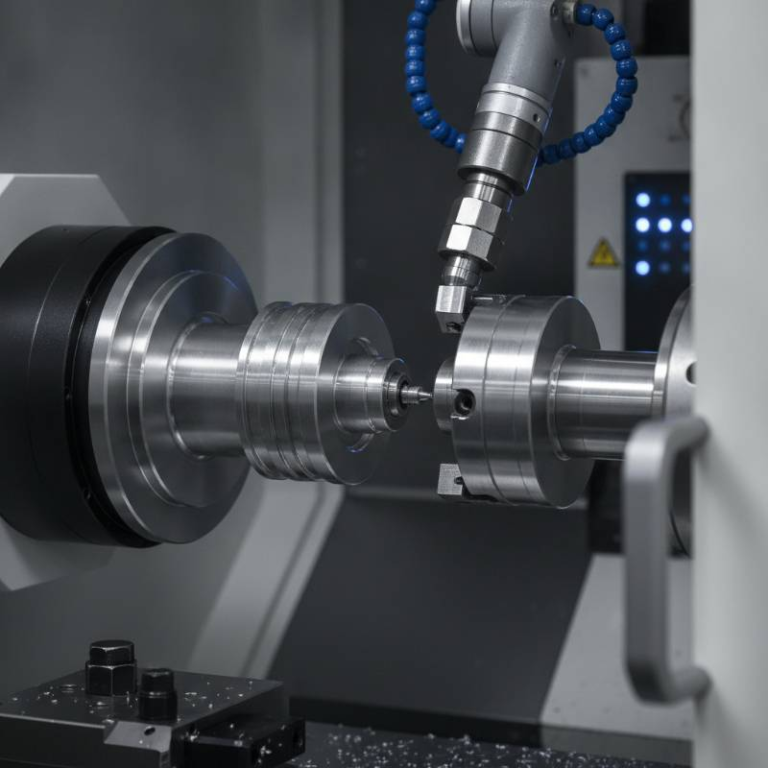
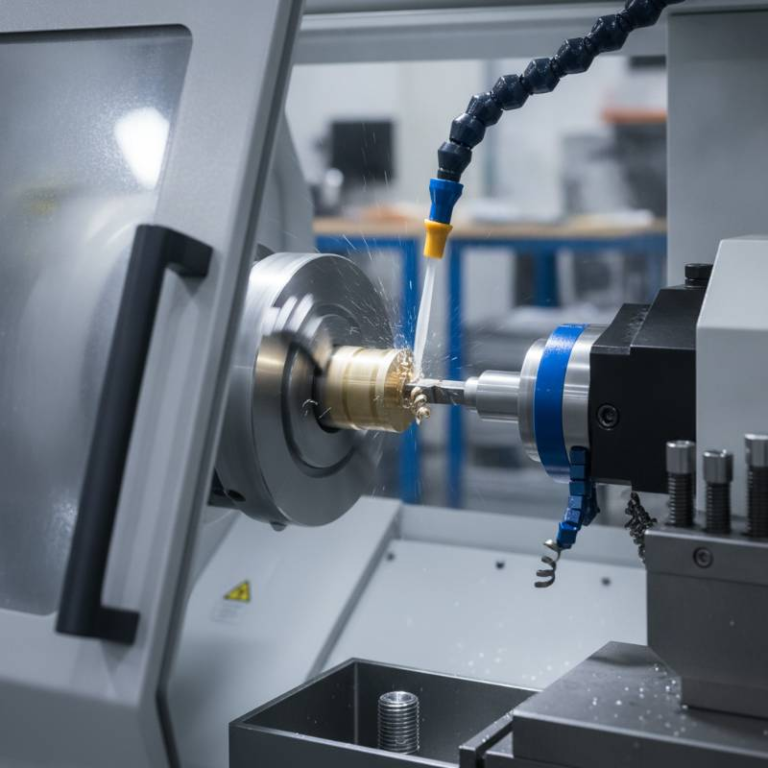
Precision ISO 13485 CNC Turning for Medical Implants
What is Medical-Grade CNC Turning?
Medical-grade CNC turning is a high-precision subtractive manufacturing process used to create cylindrical components for life-critical applications. Unlike general industrial machining, it operates under a strict Quality Management System (QMS) to ensure every part meets rigorous safety standards.
ISO 13485 CNC turning services for medical implants focus on producing components like orthopedic screws, dental implants, and vascular stents. These parts require extreme dimensional accuracy and a surface finish that supports biological integration without adverse reactions.
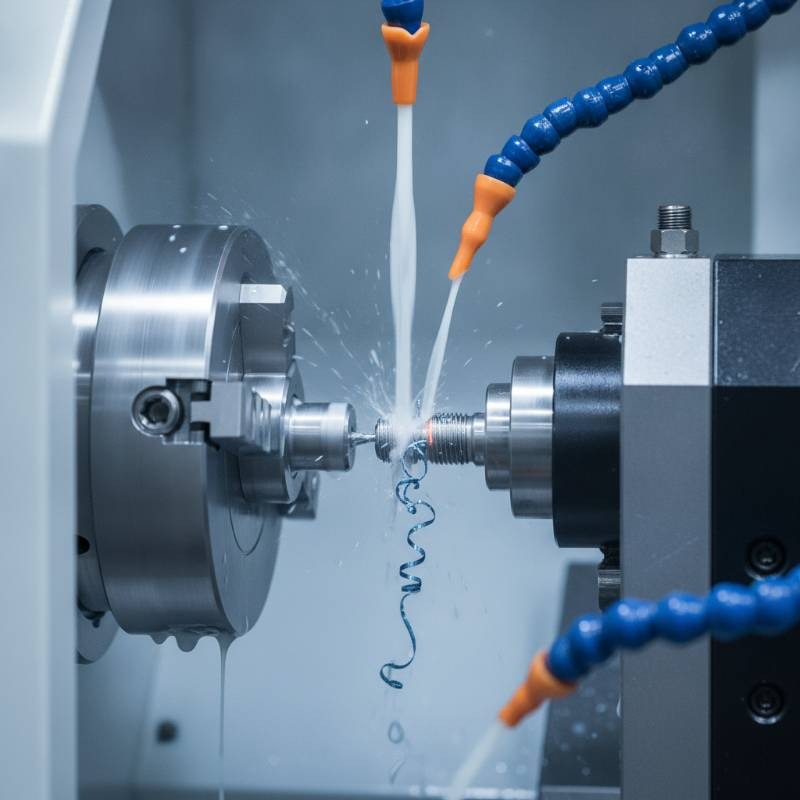
At Tyneen, we define medical machining as the intersection of mechanical engineering and patient-first safety protocols. Every spindle rotation is measured against the specific requirements of the ISO 13485:2016 standard.
The Bio-Trace 360 Validation Protocol
In 2026, standard quality checks are no longer sufficient for complex orthopedic implants. We have pioneered the Bio-Trace 360 Validation Protocol, a unique methodology that integrates real-time sensor data with traditional process validation (IQ/OQ/PQ).
This framework ensures that every implant is linked to a digital twin, capturing tool wear patterns and thermal fluctuations during the turning process. This level of granularity provides an extra layer of risk management, aligning with ISO 14971 standards for medical devices.
“Our Bio-Trace 360 system allows us to identify a 2-micron deviation before the part even leaves the chuck, ensuring that 100% of delivered implants meet the design intent.”
— Director of Quality Assurance, Tyneen
Machining Medical-Grade Titanium and PEEK
Selecting the right material is the foundation of implant success. We specialize in machining Medical Grade Materials that offer superior biocompatibility and mechanical strength.
Titanium Grade 5 (Ti6Al4V ELI)
Titanium remains the gold standard for orthopedic implants due to its high strength-to-weight ratio and osseointegration properties. Our CNC turning centers are optimized for “Extra Low Interstitial” (ELI) grades, which offer enhanced ductility and fracture toughness.
Medical-Grade PEEK
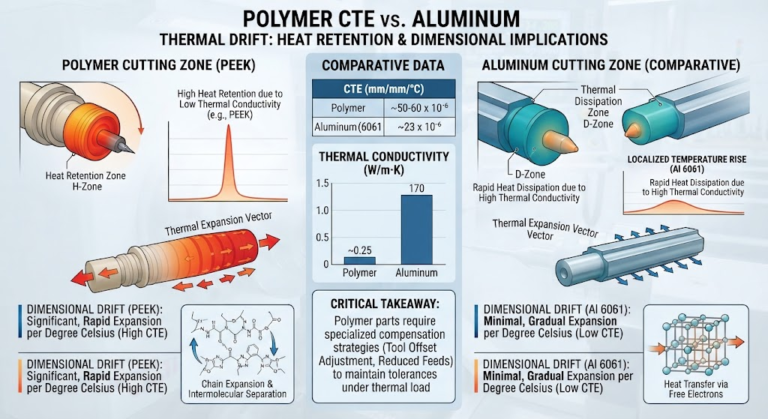
Polyetheretherketone (PEEK) is preferred for spinal cages and trauma fixations because its elastic modulus closely matches human bone. Machining PEEK requires specialized cooling techniques to prevent thermal degradation and maintain tight tolerances.
| Material | Typical Application | Key Machining Challenge |
|---|---|---|
| Titanium Gr. 5 | Hip/Knee Joints | High Heat Generation |
| PEEK Optima | Spinal Fusion Cages | Burr Removal/Stress Relief |
| Cobalt-Chrome | Dental Implants | Extreme Material Hardness |
Swiss CNC Micro-Turning for Surgical Instruments
As surgeries become less invasive, the demand for micro-scale components has surged. Our Swiss-type machining capabilities allow us to produce parts with diameters as small as 0.5mm with +/- 0.002mm tolerances.
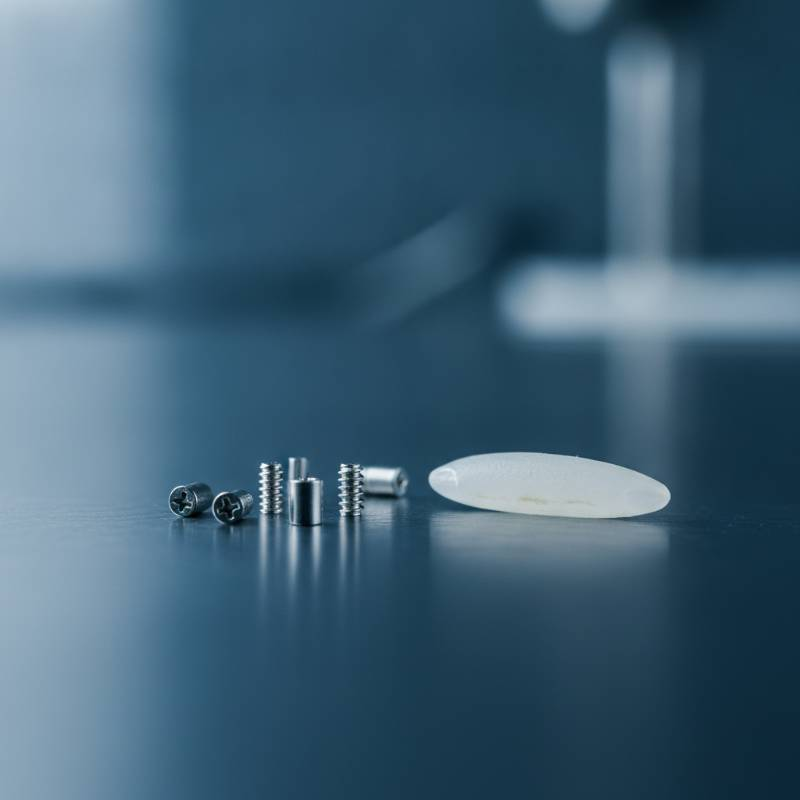
This process is vital for Our Medical Machining Services, particularly when crafting complex geometries for robotic surgical arms and neurosurgical tools. The sliding headstock design of Swiss lathes provides maximum rigidity near the cutting tool, preventing deflection in long, thin parts.
Surface Integrity and Post-Processing Solutions
The “as-machined” surface is rarely the final state for a medical implant. We provide integrated post-processing to ensure parts are ready for cleanroom packaging and sterilization.
- Electropolishing: Removes microscopic peaks to create a mirror-like finish, reducing bacterial adhesion.
- Passivation: A critical chemical process that enhances the natural protective oxide layer on titanium and stainless steel.
- Laser Marking: Essential for UDI (Unique Device Identification) compliance, ensuring permanent legibility through multiple sterilization cycles.
We adhere to Quality Management Systems that dictate specific surface roughness (Ra) values for different implant types, ensuring optimal osseointegration for orthopedic bone screws.
Sustainable Medical Machining in 2026
Sustainability in medical manufacturing is no longer optional. In 2026, we have implemented a closed-loop titanium recycling program. By segregating chips by alloy and heat lot, we can return high-purity scrap to the supply chain, significantly reducing the carbon footprint of each implant produced.
Our facility also utilizes bio-based cutting fluids that are free from chlorinated paraffins, protecting both the environment and the biocompatibility of the finished parts. This eco-friendly approach does not compromise the tight tolerances our clients expect.
Case Study: Orthopedic Bone Screw Production
Challenge: A client required 50,000 titanium bone screws with a variable pitch thread and a complex cannulated center.
Solution: Utilizing our Swiss-type CNC turning centers and the Bio-Trace 360 protocol, we automated the machining and inspection process. By integrating in-process laser gauging, we eliminated manual inspection bottlenecks.
Result: 99.98% yield rate with full ASTM International Standards compliance and a 30% reduction in lead time compared to traditional methods.
Frequently Asked Questions
What is the typical lead time for ISO 13485 CNC turning?
Lead times vary based on complexity and material availability. Typically, prototype runs take 2-4 weeks, while production batches range from 6-10 weeks, including full QMS documentation and validation.
Do you provide DFM feedback for medical implants?
Yes. Our engineering team provides Design for Manufacturing (DFM) feedback during the quoting stage. We focus on optimizing geometries to reduce machining time and ensure the highest possible surface integrity.
How do you ensure material traceability?
We maintain a digital thread for every part. This includes mill test reports (MTRs), secondary processing certifications, and full inspection reports, all linked to the unique batch number of the finished implant.
Ready to Scale Your Medical Implant Production?
Partner with Tyneen for precision ISO 13485 CNC turning services that prioritize safety, speed, and sustainability.