Precision Deep Hole & Gun Drilling Services | ISO 9001
High-Precision Deep Hole & Gun Drilling Services
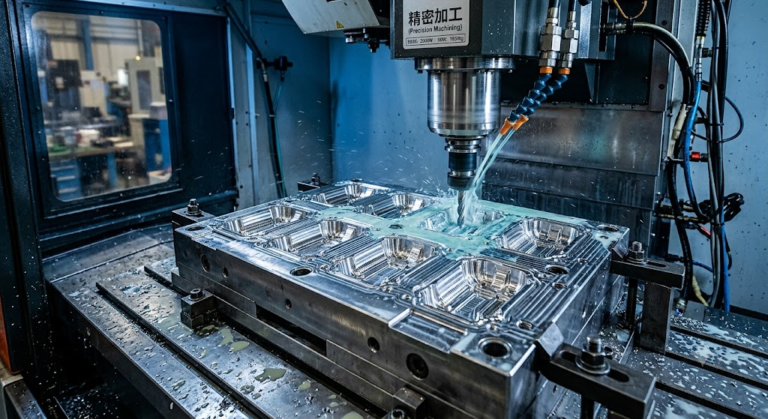
Modern manufacturing demands components that push the limits of physics. At Tyneen, our deep hole drilling capabilities are engineered to meet these challenges head-on.
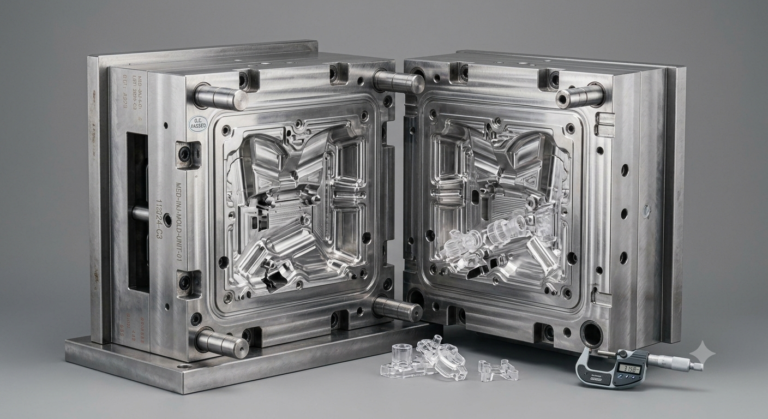
We provide specialized CNC deep hole drilling and gun drilling services capable of supporting extreme L/D ratios of 50:1 and even 100:1. Our facility handles hole diameters ranging from 0.040″ to 2.0″ while maintaining a straightness tolerance of 0.001″ per inch.
Our operations are anchored by a commitment to Quality Management Systems. We strictly adhere to ISO 9001:2015 and API specifications, ensuring every bore meets the rigorous safety standards of the aerospace and energy sectors.
Gun Drilling vs. BTA Systems: Engineering the Optimal Solution
Choosing between gun drilling and BTA (Boring and Trepanning Association) drilling depends on your specific diameter and production speed requirements. Gun drilling utilizes a single-edged tool with external chip removal through a V-shaped groove. This is the gold standard for smaller diameters.
In contrast, BTA drilling is the superior choice for larger diameters, typically over 0.75″. It uses an internal chip removal system where high-pressure coolant forces chips back through the center of the drill string, allowing for significantly higher feed rates and deeper penetration without tool withdrawal.
| Feature | Gun Drilling | BTA Drilling |
|---|---|---|
| Diameter Range | 0.040″ – 2.0″ | 0.75″ – 15.0″+ |
| Chip Removal | External (V-flute) | Internal (Through-tool) |
| Feed Rate | Moderate | High (Up to 5x faster) |
| Surface Finish (Ra) | 15 – 32 Ra | 32 – 63 Ra |
Coolant-Through-Spindle Technology: Managing Heat and Chip Evacuation
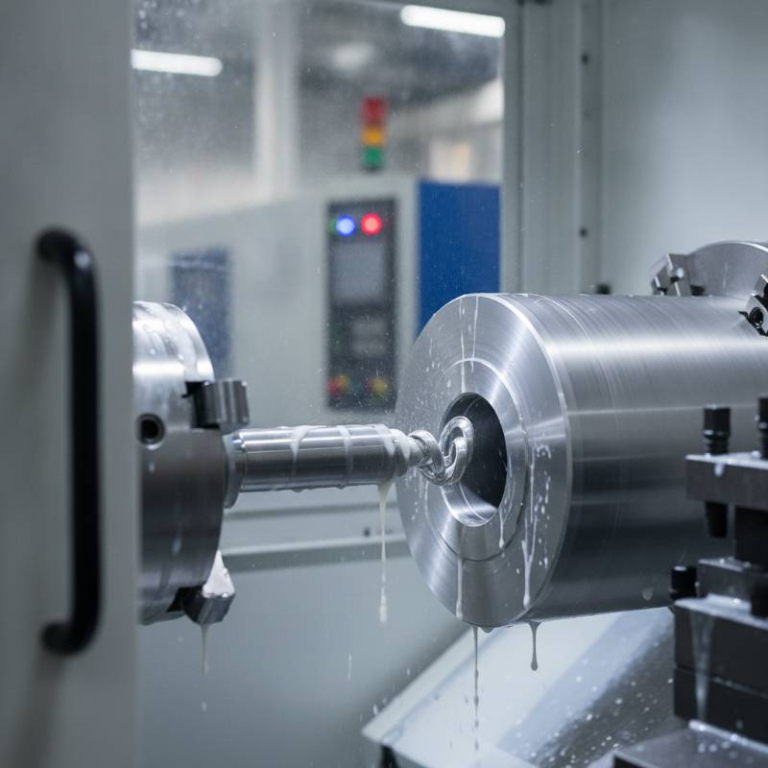
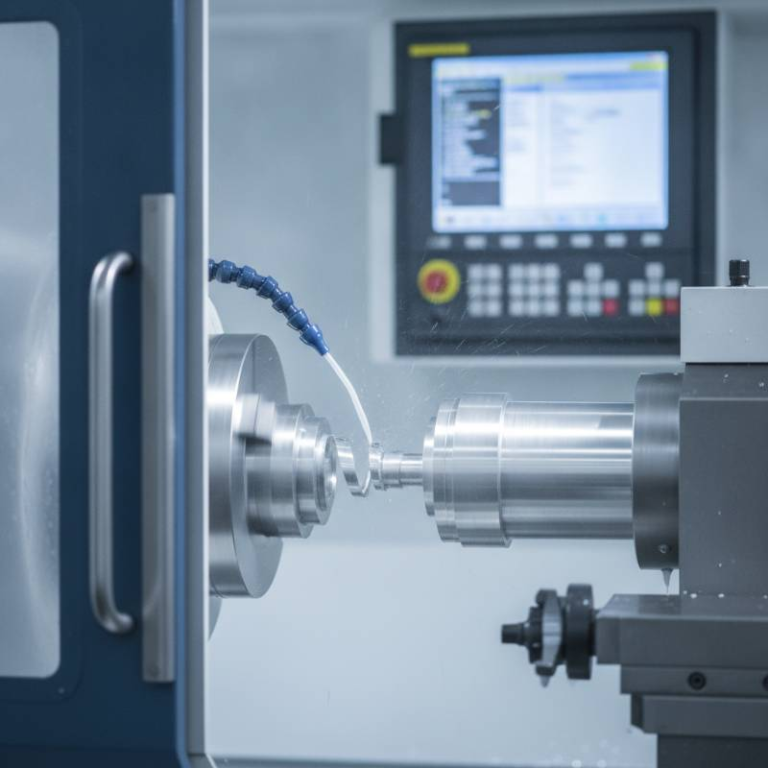
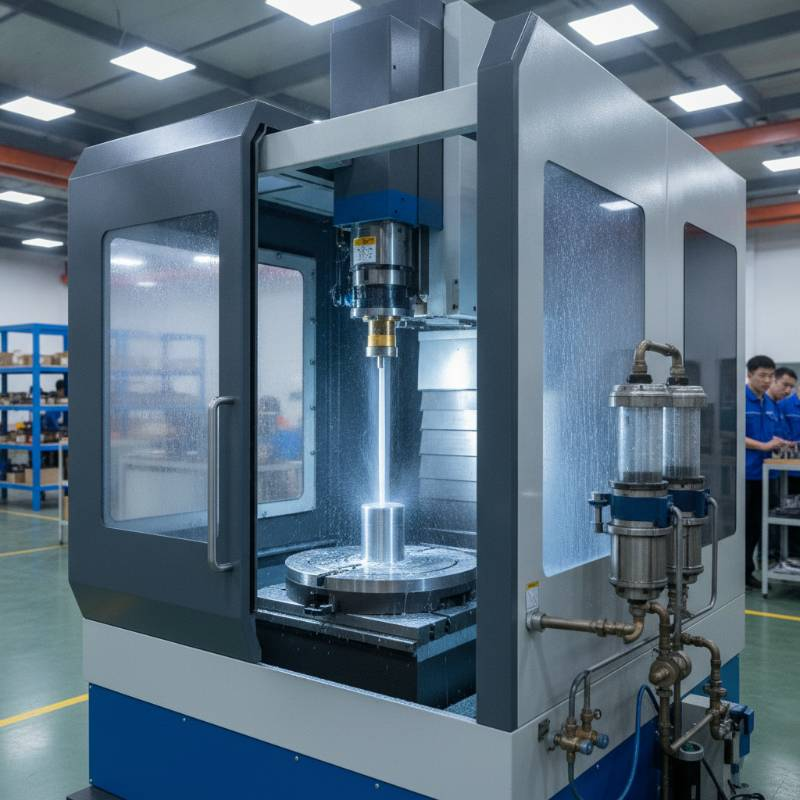
The primary failure point in deep hole machining is chip congestion. Our 2026-grade CNC systems utilize high-pressure coolant-through-spindle (CTS) technology. By delivering specialized lubricants directly to the cutting edge at pressures exceeding 1,000 PSI, we ensure chips are evacuated instantly.
This process is vital for hydraulic manifold machining. Excessive heat can cause thermal deformation, leading to “bore drift” or altered metallurgical properties. CTS keeps the tool and workpiece at a stable temperature, preserving the surface integrity of the bore and extending tool life in difficult materials like 4140 steel and Inconel.
The PrecisionFlow™ Protocol: Our Proprietary Deep Hole Framework
To guarantee zero-defect production, we developed the PrecisionFlow™ Protocol. This methodology ensures that even the most complex high L/D ratio drilling projects remain within spec.
- Material Stress Analysis: We evaluate the internal stresses of the raw stock to predict and counteract movement during the drilling process.
- Pilot Hole Precision Seating: Every deep hole begins with a high-accuracy pilot hole, ensuring the long-reach drill is perfectly centered from the first millimeter.
- Real-time Spindle Load Monitoring: Our CNC controllers monitor torque and vibration levels in real-time to detect tool wear before it impacts the bore.
- Post-Process Borescope Inspection: Every critical component undergoes internal visual inspection to verify surface finish and concentricity.
“The PrecisionFlow™ Protocol represents our commitment to subtractive manufacturing excellence, where data-driven adjustments replace trial-and-error.”
— Senior Mechanical Engineer, Tyneen
Industry-Specific Applications: From Medical Implants to Oil & Gas
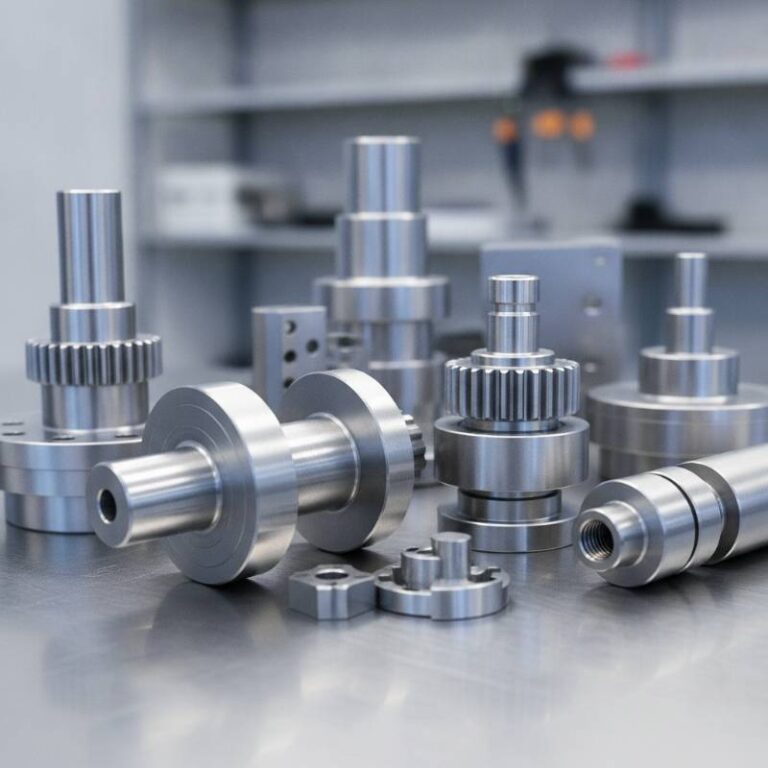
Our drilling services support some of the world’s most demanding industries. In Aerospace Component Manufacturing, we produce landing gear actuators and fuel nozzles that require absolute reliability under pressure.
For the medical sector, we specialize in small-diameter bores for bone screws and surgical instruments. In the oil and gas industry, our adherence to API specifications allows us to manufacture downhole tools that withstand extreme depths and corrosive environments.
Material Expertise: Drilling Exotic Alloys and Superalloys
Machining Inconel, Titanium, and AISI 4140 requires more than just standard tooling. It requires an understanding of Material Machinability Guide principles to manage work-hardening and tool pressure.
Our engineers calculate specific speeds and feeds to maintain bore straightness and surface finish Ra in superalloys. We utilize specialized coatings on our gundrills to reduce friction and prevent material adhesion, which is critical when working with “gummy” materials like Grade 2 Titanium or 316 Stainless Steel.
Frequently Asked Questions About Deep Hole Drilling
What is the maximum L/D ratio for gun drilling?
While standard shops stop at 20:1, our advanced Precision CNC Machining Services routinely achieve 100:1. The exact limit depends on the material and the required diameter.
How do you ensure hole straightness over long distances?
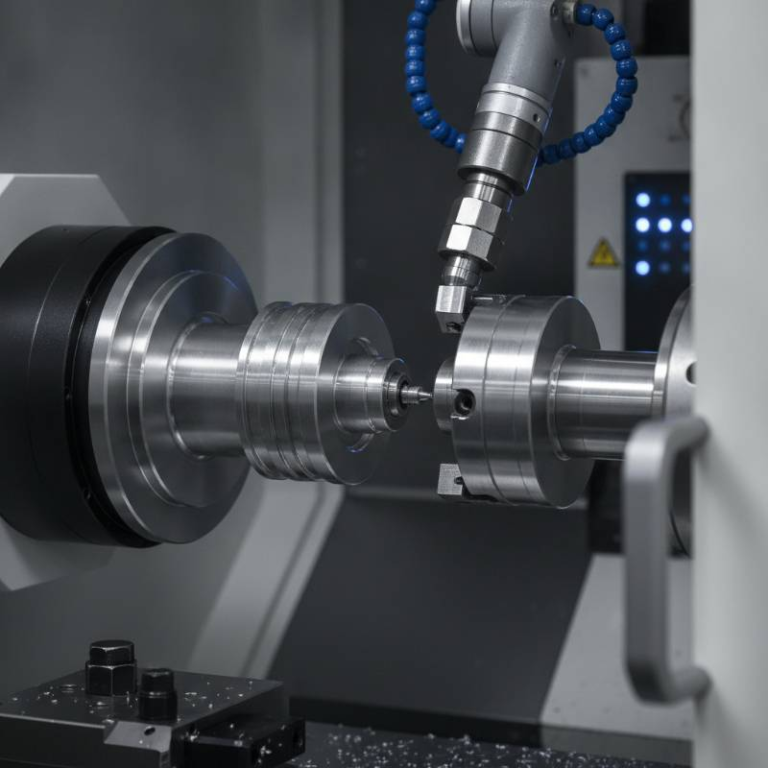
We use spindle synchronization (counter-rotation of the workpiece and the tool) and high-pressure coolant to minimize tool deflection. The PrecisionFlow™ Protocol further ensures the tool follows a true path.
Can you drill blind holes with BTA?
Yes, though it requires specialized tooling and a flat-bottom finishing pass if the application demands a specific bottom geometry. Most BTA applications are through-holes, but blind holes are possible with controlled depth cycles.
Request a Quote for Your Gun Drilling Project
Ready to start your next high-precision project? Download our Deep Hole Machining Design Guide (PDF), authored by our senior engineering team, to optimize your parts for manufacturability. This guide covers tolerance stacking, material selection, and cost-saving design tips.
Get Your Custom RFQ Today
Upload your CAD files and receive a technical review from our engineers within 24 hours.
For more information on industrial standards, visit the International Organization for Standardization or the American Petroleum Institute.
Author: Senior Mechanical Engineer | Certification: ISO 9001:2015 & API Compliant | Methodology: PrecisionFlow™ Protocol for Straightness Verification.