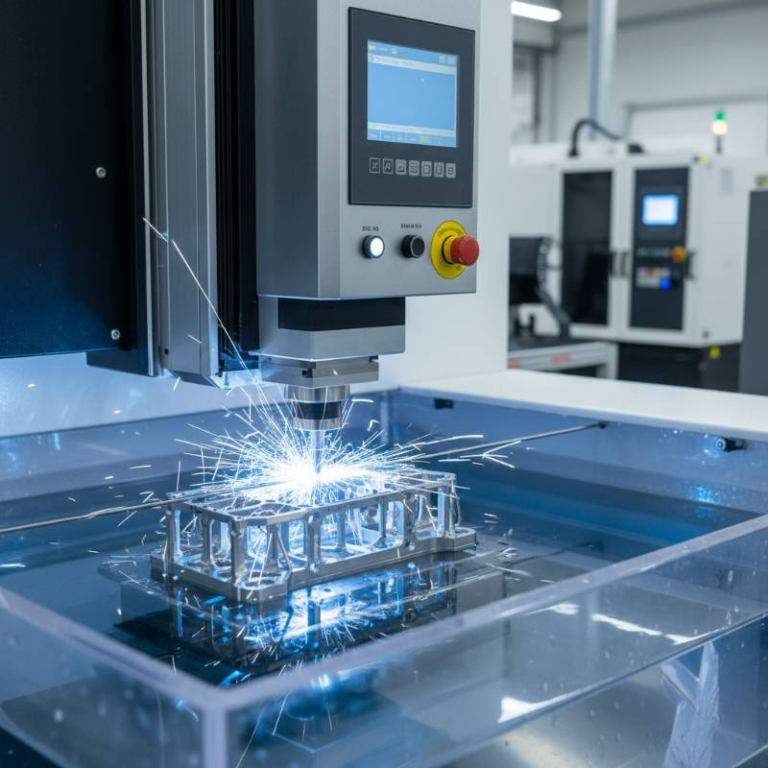
High-Precision CNC Milling Services for Resilient Supply Chains
Global supply chains in 2026 have shifted from “just-in-time” to “just-in-case.” Geopolitical volatility and carbon mandates have made traditional, single-source offshore manufacturing a liability. To maintain a competitive edge, procurement leaders are adopting hybrid models that prioritize localized CNC manufacturing and supply chain resilient CNC strategies.
What is Hybrid Manufacturing Sourcing?
Hybrid manufacturing sourcing is a strategic framework that integrates globally distributed design and R&D with regional, high-automation production hubs. By utilizing CNC milling services located closer to the point of consumption, companies mitigate logistical risks while maintaining the cost benefits of global talent pools.
This approach effectively hedges against shipping disruptions and tariffs. It ensures that critical components are manufactured within stable trade blocs, providing a “dual-track” system where production can pivot instantly between regions based on real-time data.
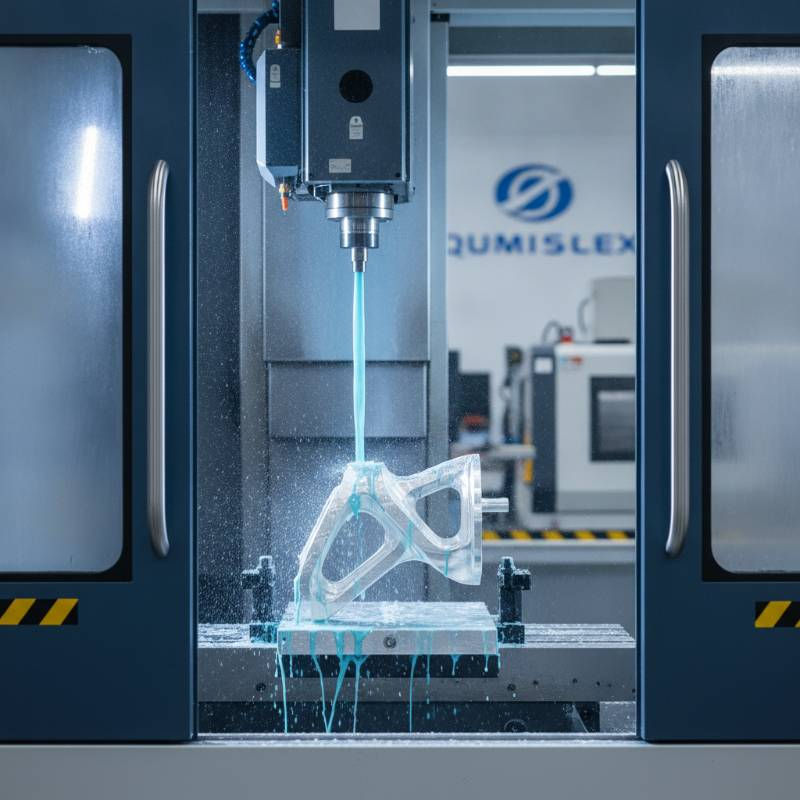
Offshore Prototyping vs. Nearshore Lights-Out Production
In the 2026 landscape, the most efficient procurement officers use a “split-tier” strategy. Offshore facilities excel at rapid, low-cost prototyping during the design phase. However, when scaling to mass production, nearshore CNC machining takes the lead.
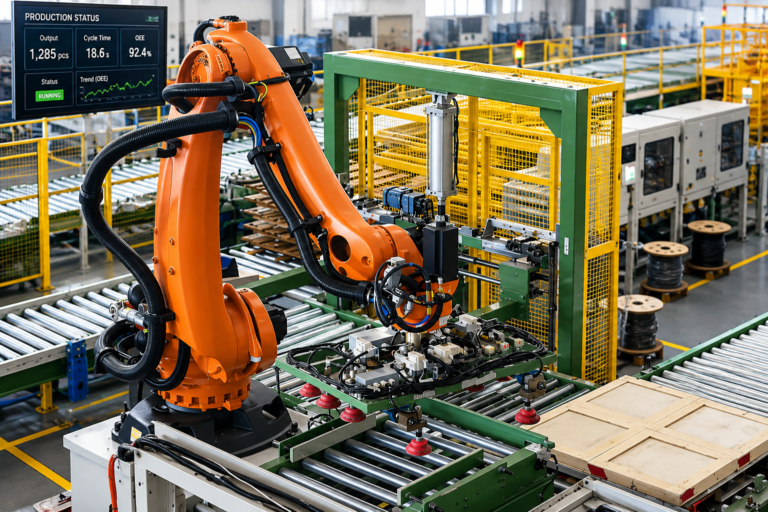
Nearshore “lights-out” factories utilize 24/7 autonomous robotics. This removes labor cost variables from the equation. While an offshore shop might offer a lower unit price, the hidden costs of quality drift and long-distance logistics often erase those margins during high-volume runs.
“The era of chasing the lowest labor cost is over. In 2026, the winner is the one with the lowest latency between PO and delivery. Nearshore automation is the only way to achieve that.” — Chief Manufacturing Engineer at Tyneen
The Total Cost of Ownership (TCO) Model for 2026
Relying on unit price alone is a legacy mistake. Our updated TCO model accounts for reshore CNC milling advantages, specifically focusing on capital velocity and risk mitigation. By localizing production, companies typically see a 60% reduction in air freight reliance.
| Metric | Traditional Offshore | Hybrid (Tyneen Model) |
|---|---|---|
| DDP Delivery Lead Time | 6–8 Weeks | 2–3 Weeks |
| Freight & Duty Impact | High (Unpredictable) | Low (Regional Rates) |
| Inventory Carrying Cost | 18–25% | 5–8% |
| Supply Chain Resilience | Fragile | High (Redundant) |
Shortening the DDP window by 3-4 weeks allows for tighter inventory management. This frees up working capital that would otherwise be tied up in transit across an ocean. Explore Our Precision Machining Services to see how we apply this TCO model to your specific industry.
The Omni-Sync™ Production Protocol
At Tyneen, we have pioneered The Omni-Sync™ Production Protocol. This methodology synchronizes real-time inventory levels with our automated machining cells. Instead of batch processing, which creates bottlenecks, Omni-Sync™ allows for “continuous flow” manufacturing.
This framework uses Industry 4.0 IoT sensors to predict spindle time requirements 72 hours in advance. When a client triggers a release in their ERP, our machines are already staged with the necessary fixtures and raw materials, ensuring zero-latency starts. This is a core component of our Sustainable Manufacturing Solutions, as it drastically reduces material waste and energy overruns.

Advanced 5-Axis Milling for Aerospace and Medical Specs
Precision is no longer optional. Modern 5-axis milling allows for the creation of complex geometries in a single setup, which is vital for high-tolerance aerospace components and medical implants. By reducing setups, we eliminate the cumulative error that plagues traditional 3-axis milling.
Material Expertise: Beyond Aluminum
Resilient supply chains require the ability to machine exotic alloys. Our facility specializes in:
- Inconel 718: Heat-resistant superalloys for turbine components.
- Titanium Grade 5: High strength-to-weight ratio for medical and defense.
- Specialized Ceramics: For high-wear industrial applications.
For a deep dive into our technical tolerances and multi-axis setups, refer to our Advanced 5-Axis Milling Guide.
Eliminating the “Black Box”: Real-Time Production Monitoring
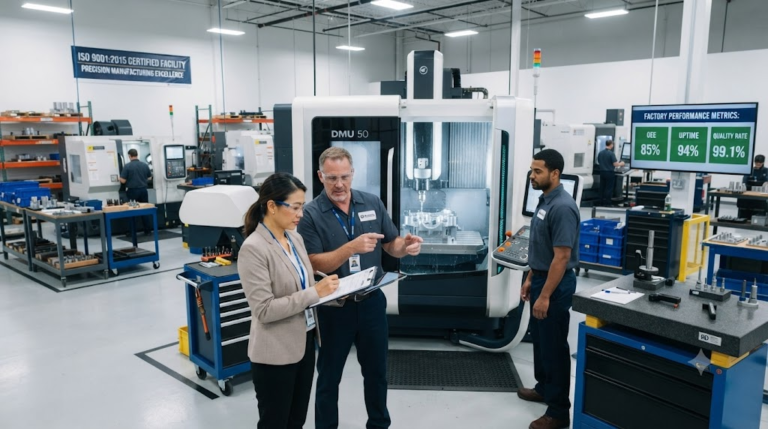
The biggest frustration in B2B CNC procurement is the lack of visibility. Most shops operate as a “black box”—you send an order and wait for a shipping notification. In 2026, transparency is a requirement for ISO 9001:2015 and AS9100D compliance.
Tyneen provides all clients with Live Factory Floor Digital Twin Access. This allows you to monitor your specific parts as they move through the spindle. You receive real-time digital twin quality control data, showing CMM (Coordinate Measuring Machine) results as they are generated, not weeks later in a PDF report.
Download the B2B CNC Sourcing Supply Chain Assessment Model
Transitioning from an offshore-only model to a hybrid supply chain requires careful calculation. We have developed a comprehensive B2B CNC Sourcing Supply Chain Assessment Model whitepaper. This tool helps CTOs and supply chain managers evaluate:
- Geopolitical risk factors by region (2026-2030 projections).
- Logistics ROI comparing ocean vs. regional ground freight.
- Carbon footprint impact of localized manufacturing.
Download the full model to de-risk your next production cycle and ensure your CNC milling services are optimized for the current decade.
Frequently Asked Questions About CNC Milling Services
How does hybrid sourcing affect the carbon footprint?
By shifting volume production to nearshore facilities, you significantly reduce the “scope 3” emissions associated with long-haul transoceanic shipping. Most localized hubs in 2026 also utilize a higher percentage of renewable energy compared to traditional offshore manufacturing zones.
What certifications should I look for in 2026?
At a minimum, your partner must hold ISO 9001:2015 for quality management. For aerospace, AS9100D is non-negotiable. According to the International Organization for Standardization, these certifications ensure repeatable processes in automated environments.
Can reshoring really be cost-competitive?
Yes. When you factor in the 60% reduction in freight, the elimination of tariffs, and the significantly lower inventory carrying costs, the TCO of nearshore production is often 10-15% lower than offshore, despite higher nominal labor rates.
Ready to Secure Your 2026 Supply Chain?
Get a transparent quote and live factory access for your next CNC milling project.