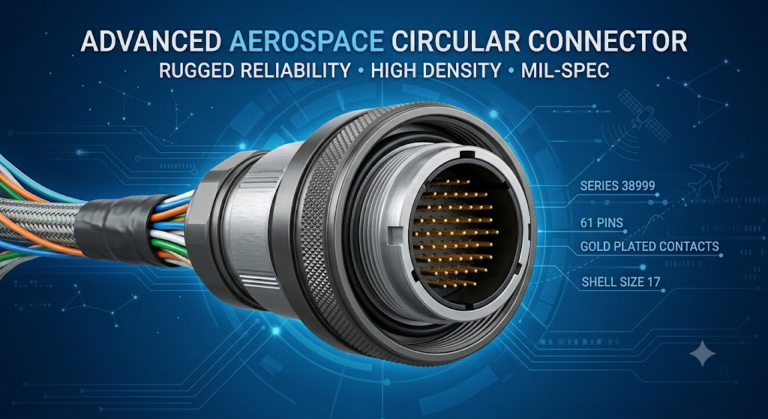
Precision Wire EDM Services | High-Tolerance Engineering
Precision Wire EDM Services for High-Complexity Engineering
Modern engineering demands more than just “close enough.” When your project involves irregular shapes or ultra-hard alloys, standard milling often falls short.
At Tyneen, we bridge the gap between conceptual design and physical reality. Our precision wire EDM services provide a non-contact solution for materials that defy traditional cutting methods.
By 2026, the shift toward miniaturization in medical and aerospace sectors has made Electrical Discharge Machining (EDM) the gold standard for high-stakes manufacturing.
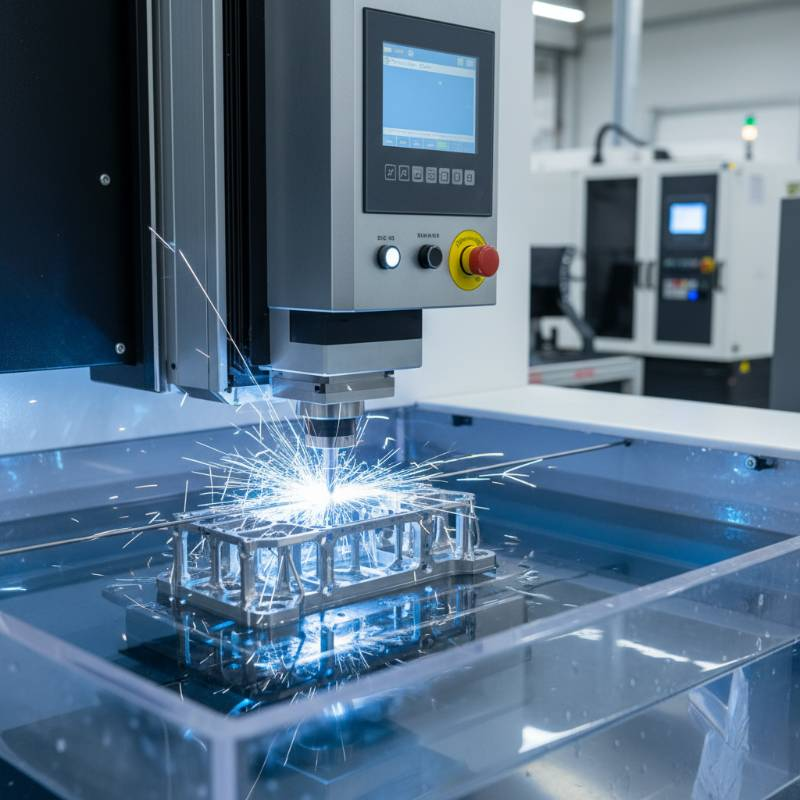
What is Precision Wire EDM? Defining the Process
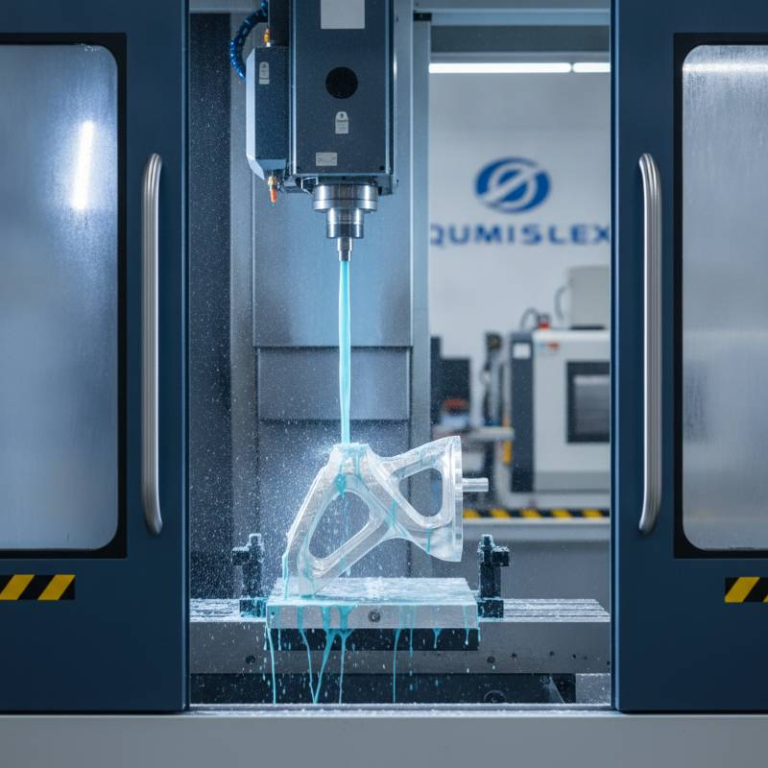
Precision wire EDM is a high-accuracy manufacturing process that uses a thin, electrically charged wire to cut conductive materials via spark erosion. The process occurs within a submerged environment of deionized dielectric fluid, which acts as an insulator until a specific voltage is reached, allowing a spark to jump the gap.
Unlike traditional machining, there is no physical contact between the tool and the workpiece. This eliminates mechanical stress, preventing distortion in thin-walled or delicate components.
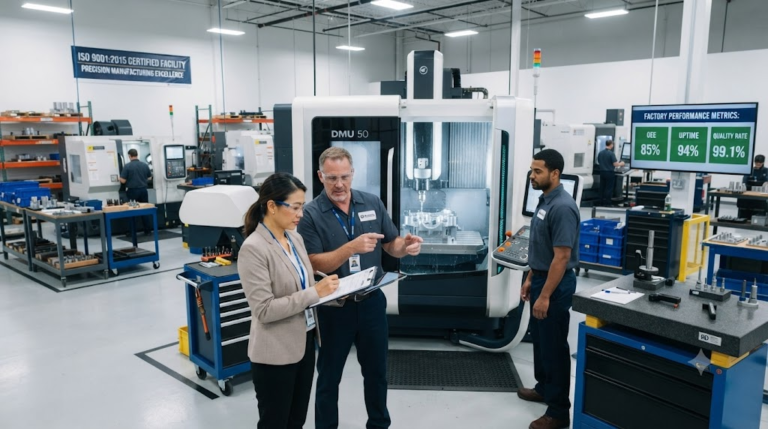
Our facility utilizes Advanced Machining Capabilities to handle complex irregular shapes that are impossible to execute with conventional CNC milling.
The 5-Point Integrity Matrix: Our Proprietary EDM Protocol
To ensure consistent quality, we developed the 5-Point Integrity Matrix. This framework moves beyond standard CNC wire cutting to guarantee structural and dimensional perfection.
- Thermal Stability Control: We maintain dielectric fluid temperatures within 0.5°C to prevent material expansion during long burn cycles.
- Wire Tension Optimization: Real-time adjustments prevent wire vibration, ensuring a consistent kerf width and vertical accuracy.
- Multi-Pass Surface Refinement: We utilize up to five skim cuts to achieve a surface finish Ra as low as 0.1 µm.
- Real-time Gap Voltage Monitoring: AI-driven sensors detect changes in material density, adjusting the spark frequency to prevent wire breakage.
- Post-Process Integrity Verification: Every part undergoes metallurgical inspection to ensure no micro-cracking occurred during the spark erosion process.
“Based on our internal data, the Integrity Matrix has reduced part rejection rates by 22% for high-nickel alloy components compared to industry-standard EDM workflows.” – Tyneen Engineering Review.
Technical Capabilities: Taper Cutting and Small Hole Drilling
Our submerged wire EDM systems are equipped with 4-axis independent movement. This allows for extreme taper cutting, creating different profiles on the top and bottom of a workpiece simultaneously.
We also specialize in small hole EDM drilling. This is critical for start-holes in hardened dies or cooling channels in turbine blades.
Our current 2026 fleet handles tolerance levels of +/- 0.002mm, meeting the most stringent Aerospace Manufacturing Standards.
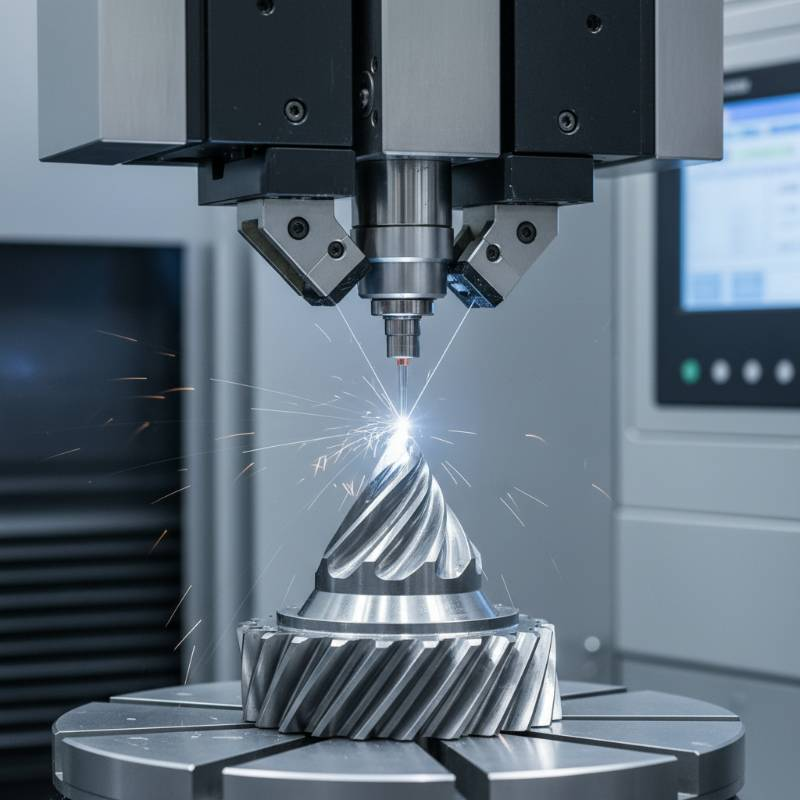
Material Expertise: From Titanium to Hardened Steel
In Metallurgy, the machinability of a material often dictates the cost. Wire EDM bypasses material hardness entirely, as long as the material is electrically conductive.
| Material | Application | Precision Level |
|---|---|---|
| Titanium (Grades 5 & 23) | Medical Implants | Ultra-High |
| Inconel 625/718 | Aerospace Exhaust | High |
| Tungsten Carbide | Stamping Dies | Extreme |
| Hardened Tool Steel | Injection Molds | Standard-High |
Our expertise in Titanium machining ensures that biocompatibility is never compromised by surface contamination.
Industry Applications: Aerospace, Medical, and Defense
Precision wire EDM services are vital for Medical Device Prototyping. We manufacture surgical robotic components where failure is not an option.
In the defense sector, we produce guidance system components that require absolute geometric accuracy. Our facility maintains ISO 9001:2015 certification, ensuring every part is traceable from raw material to final delivery.
According to the National Institute of Standards and Technology (NIST), non-traditional machining like EDM is essential for the next generation of micro-scale defense electronics.
Global Compliance and Sustainability Standards
We prioritize environmental responsibility. Our processes are REACH and RoHS compliant, ensuring we do not use hazardous substances in our dielectric fluids or wire consumables.
To assist our global partners, we provide a Carbon Footprint Estimation for every high-volume project. This helps procurement teams meet their ESG (Environmental, Social, and Governance) targets for 2026 and beyond.
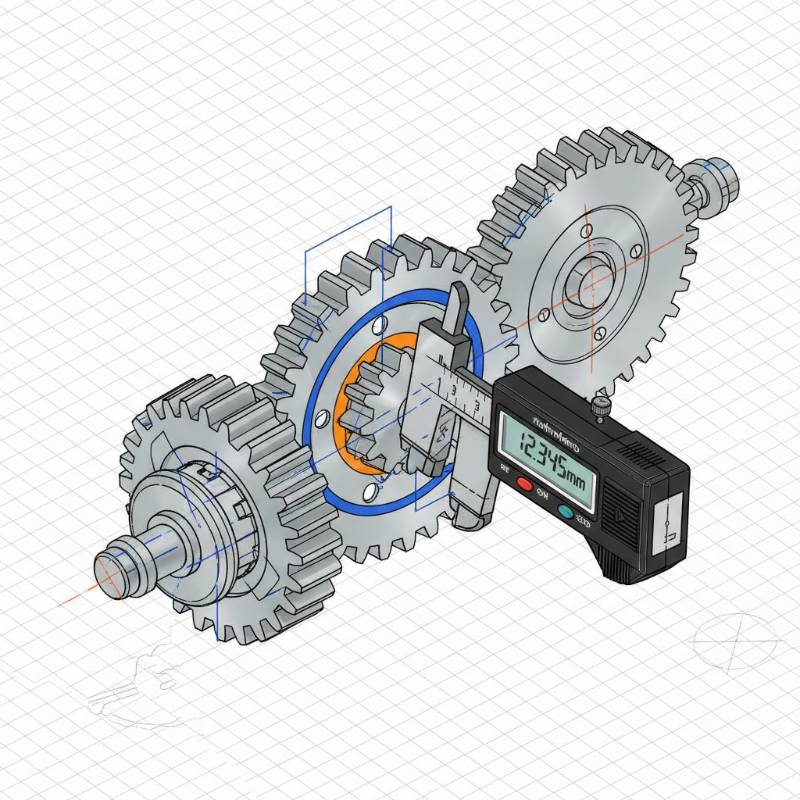
Design for Manufacturability (DFM) for Wire EDM
To maximize efficiency, engineers should consider several DFM for wire EDM principles:
- Corner Radii: While EDM can cut sharp internal corners, a radius equivalent to the wire diameter (plus spark gap) is more cost-effective.
- Entry Points: Always design with a clear start-hole location to avoid “edge starting,” which can reduce accuracy.
- Material Thickness: While EDM can cut through 12 inches of steel, verticality is best maintained in parts under 6 inches.
Frequently Asked Questions About Wire EDM
What are typical EDM lead times?
Lead times vary by complexity. Standard prototypes are often delivered in 3-5 business days, while high-volume production runs depend on the total “burn time” required.
Wire EDM vs. Sinker EDM: Which is better?
Wire EDM is best for “through-hole” geometries and profiles. Sinker EDM is required for blind cavities or 3D shapes that do not pass entirely through the material.
How is the cost of wire EDM calculated?
Pricing is primarily based on the square inches of surface area cut. Factors like material hardness (which affects speed) and the number of skim passes also influence the final quote.
Ready to Solve Your Most Complex Geometry Challenges?
Our engineering team is standing by to review your CAD files and provide a detailed DFM analysis.