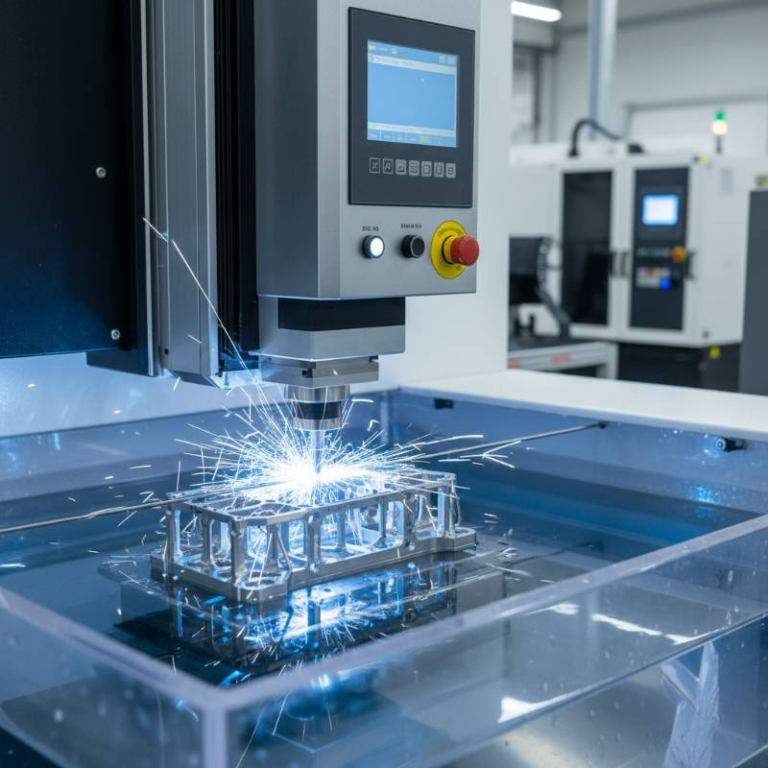
Mastering Design for Manufacturability: A 2026 ROI Guide
What is DFM? Core Principles and Material Selection
Design for Manufacturability (DFM) is the proactive engineering practice of designing products to be easy and cost-effective to produce while maintaining high quality. By optimizing designs for specific production methods early in the CAD phase, companies can reduce total manufacturing costs by 20% to 30% and significantly shorten time-to-market.
“DFM is the integration of product design and process planning into one common activity.” — American Society of Mechanical Engineers (ASME)
In our experience at Tyneen, successful DFM starts with material selection. Choosing a material that is too difficult to machine or requires specialized cooling cycles in injection molding can double your unit price overnight.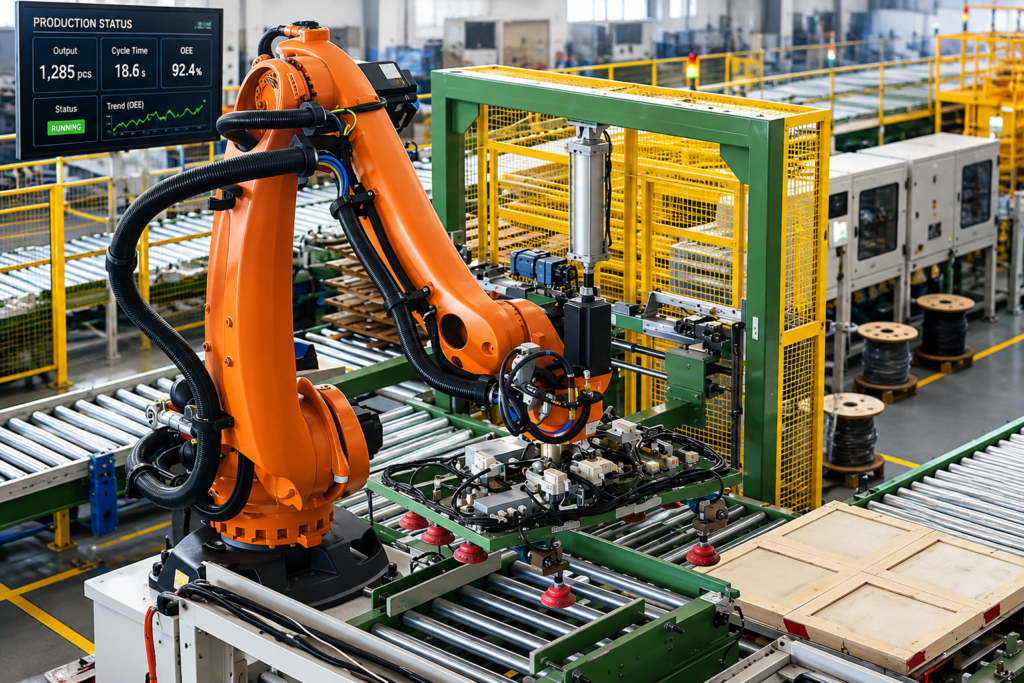
Beyond materials, standardization is your best friend. Using off-the-shelf fasteners and uniform wall thicknesses reduces the need for custom tooling and complex setups. Assembly simplification ensures that parts can only be put together one way—eliminating human error on the factory floor.
The Economic Impact: Calculating ROI and Tooling Cost Reductions
The math behind DFM is straightforward but powerful. Most product costs are “baked in” long before a single machine is turned on. By focusing on labor cost optimization and waste reduction during the design phase, you avoid the “engineering change order” (ECO) death spiral.
Our data shows that a single design revision after tooling has been cut can cost ten times more than a revision made during the conceptual phase. For hardware startups, this is often the difference between a successful launch and bankruptcy.
When calculating ROI, look at tooling cost reduction. A DFM-optimized part might use a simpler two-plate mold instead of a complex mold with multiple side-actions, saving you thousands in upfront capital. If you are scaling production, consider our manufacturing services to evaluate these trade-offs early.
The Eco-Efficient 4-S Framework: Our Proprietary DFM Protocol
To help our clients navigate the complexities of 2026 production, we developed The Tyneen 4-S Framework. This protocol ensures every part is optimized for both the balance sheet and the planet.
- Standardization: Minimize unique part counts. If one screw size works for the whole chassis, use it.
- Simplification: Reduce the number of manufacturing steps. Can two parts be combined into one 3D-printed component?
- Sustainability: Design for disassembly and choose materials with high recycled content or lower energy requirements for processing.
- Scalability: Ensure the design that works for 100 units can be transitioned to 100,000 units without a complete redesign.
Sustainable DFM: Integrating Carbon Footprint into Early Design
In 2026, sustainability-focused DFM is no longer optional. Regulatory shifts like the EU’s Digital Product Passport require manufacturers to track the carbon footprint integration from day one.
We define “Green DFM” as optimizing for material yield. For example, in CNC machining, we aim to reduce the volume of material removed from the raw block. Less waste means lower material costs and a smaller environmental impact. Circular design principles also encourage using mono-materials to make end-of-life recycling easier.
Cross-Process Comparison: Selecting the Right Manufacturing Method
Choosing the wrong process is the most common DFM failure. You wouldn’t use injection molding for 10 parts, just as you wouldn’t use 3D printing for 10 million. Here is a quick reference for method selection in the current market.
| Process | Optimal Volume | Tooling Cost | Lead Time |
|---|---|---|---|
| 3D Printing | 1 – 50 units | None | 1-3 Days |
| CNC Machining | 10 – 500 units | Low (Fixtures) | 3-10 Days |
| Injection Molding | 1,000+ units | High | 4-8 Weeks |
DFM for Low-Volume Prototyping and Small-Batch Production
Startups often ignore DFM during low-volume prototyping, thinking it only matters for mass production. This is a mistake. Applying DFM during small-batch production allows you to validate your design’s physical integrity while maintaining rapid prototyping speeds.
By using custom parts designed with the final manufacturing method in mind, you ensure that your “works-like” prototype doesn’t require a total redesign when you finally move to hard tooling. We call this “Forward-Compatible Design.”
Advanced Implementation: AI-Driven Tools and Supply Chain Integration
The biggest shift in 2026 is the rise of AI-driven DFM software. These tools act as a “digital twin” of your factory floor, providing instant feedback on wall thickness, draft angles, and undercut issues directly within your CAD environment.
True supply chain integration means your design software knows the real-time cost and availability of raw materials. If aluminum 6061 prices spike, the system might suggest a composite alternative that meets the same mechanical requirements. This level of CAD integration prevents downstream bottlenecks before they happen.
According to research from Harvard Business Review, companies that integrate supply chain data into early-stage engineering see 15% fewer production delays.
Frequently Asked Questions about DFM
What is the difference between DFM and DFA?
DFM (Design for Manufacturability) focuses on making individual parts easy to create. DFA (Design for Assembly) focuses on making those parts easy to put together. Combined, they are often referred to as DFMA.
How much does DFM software cost?
In 2026, many AI-driven DFM plugins are subscription-based, ranging from $50 to $500 per seat per month. However, many manufacturers like Tyneen provide DFM feedback as a value-added service during the quoting process.
Can DFM help with manufacturing bottlenecks?
Absolutely. By simplifying parts and reducing the number of specialized setups required, DFM clears the path for faster production runs and fewer machine idlings.
Ready to Optimize Your Production?
Don’t leave your margins to chance. Use our 2026 DFM protocols to cut costs and speed up your launch.