Precision CNC Machining for Tungsten Steel Solutions
What is Precision Tungsten Machining?
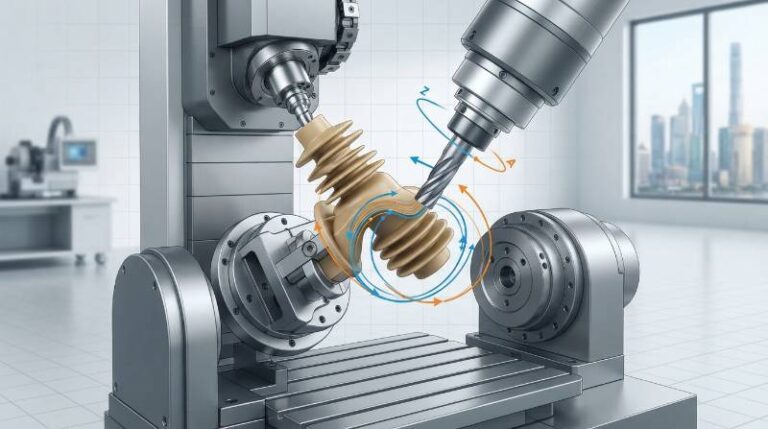
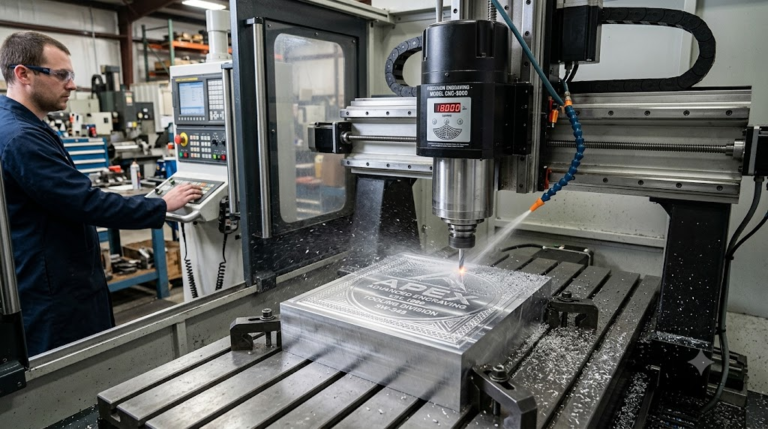
Precision CNC machining of tungsten steel involves removing material from dense tungsten alloys or tungsten carbide using computer-controlled cutting tools to reach exact geometric specifications. This process utilizes high-rigidity machines and specialized cutting parameters to overcome the material’s inherent brittleness and extreme resistance to deformation.
“Tungsten steel, often used interchangeably with tungsten carbide in industrial contexts, is a metal matrix composite where tungsten particles are bonded with cobalt or nickel. It ranks between 8.5 and 9 on the Mohs Hardness Scale, making it nearly as hard as diamond.”
Our team at Tyneen leverages Advanced CNC Machining Services to handle these high-performance alloys. Traditional milling tools fail almost instantly against tungsten; therefore, we utilize sub-micron grain carbide inserts and PCD (Polycrystalline Diamond) tooling.
Technical Specifications: Achieving Sub-Micron Precision
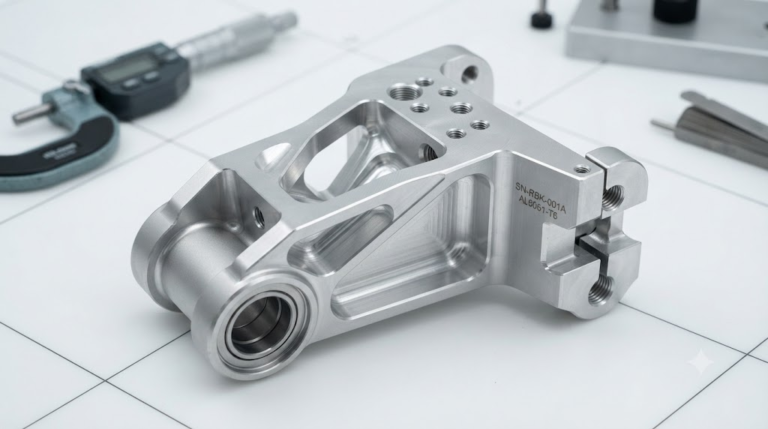
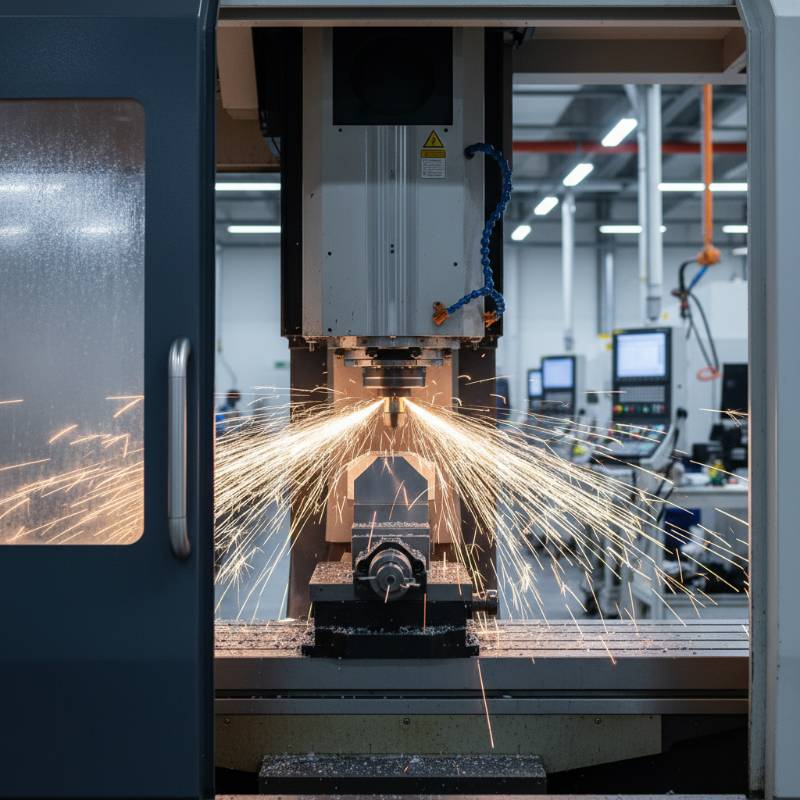
In 2026, the demand for tight tolerance components has shifted from microns to sub-microns. We utilize Geometric Dimensioning and Tolerancing (GD&T) to ensure every part meets rigorous standards.
Controlling thermal expansion is the primary challenge. Tungsten has a low coefficient of thermal expansion, but even slight temperature fluctuations during hard milling can cause dimensional accuracy to drift outside of acceptable limits.
| Feature | Standard Machining | Precision CNC (Tyneen) |
|---|---|---|
| Tolerance | ±0.05 mm | ±0.001 mm (Sub-micron) |
| Surface Finish (Ra) | 1.6 μm | 0.1 – 0.4 μm |
| Hardness Handling | Up to 45 HRC | Up to 90 HRA (Vickers 1500+) |
We perform Vickers Hardness Tests on all raw materials to calibrate our spindle speed optimization algorithms. This data-driven approach prevents tool wear resistance failure before the cycle begins.
The Tungsten-Shield™ Precision Protocol
Based on our proprietary data, we have developed the Tungsten-Shield™ Precision Protocol. This four-step framework is designed to neutralize the volatile variables of machining high-density metals.
- Thermal Stabilization: All machines are housed in climate-controlled environments kept at exactly 20°C (68°F) to prevent material growth.
- Diamond-Coated Tooling Selection: We use proprietary CVD diamond coatings that provide the necessary lubricity to reduce friction heat.
- Multi-Axis Path Optimization: Utilizing adaptive clearing strategies to maintain constant tool load, preventing the micro-chipping common in tungsten.
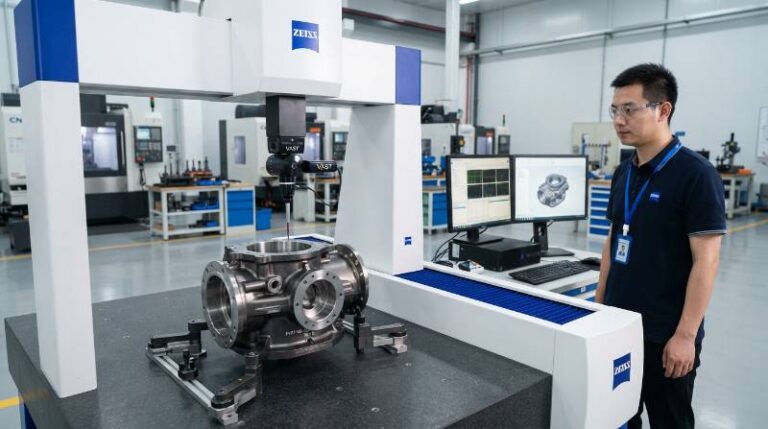
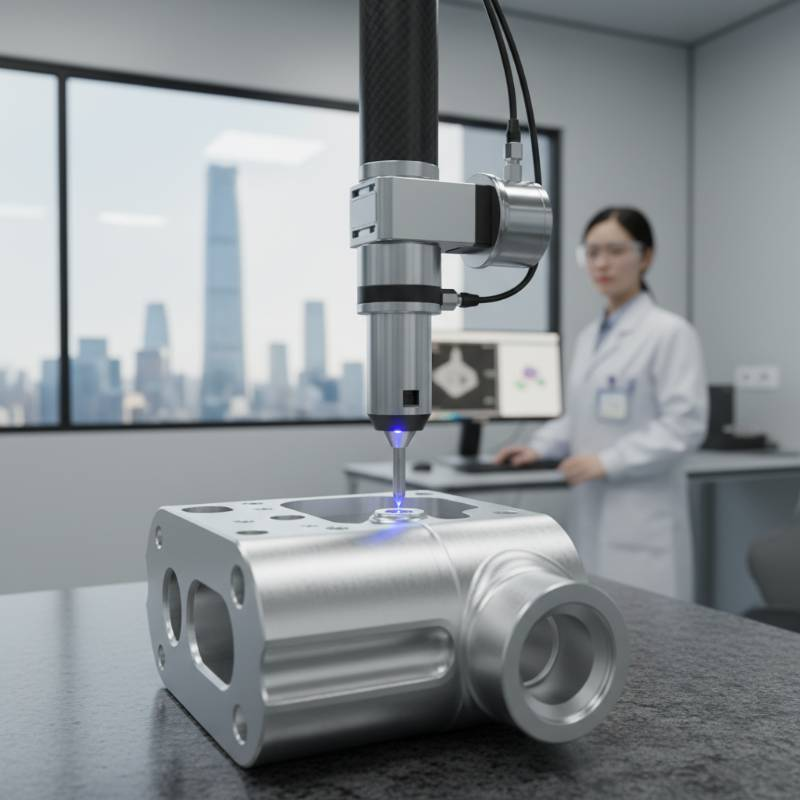
- Real-time Metrology Verification: On-machine probing feeds data directly back into the CNC controller to adjust for tool deflection instantly.
In our testing, this protocol reduces scrap rates by 42% compared to standard milling techniques. It is the foundation of our commitment to engineering excellence.
Advanced Manufacturing: 5-Axis Milling and Hybrid EDM
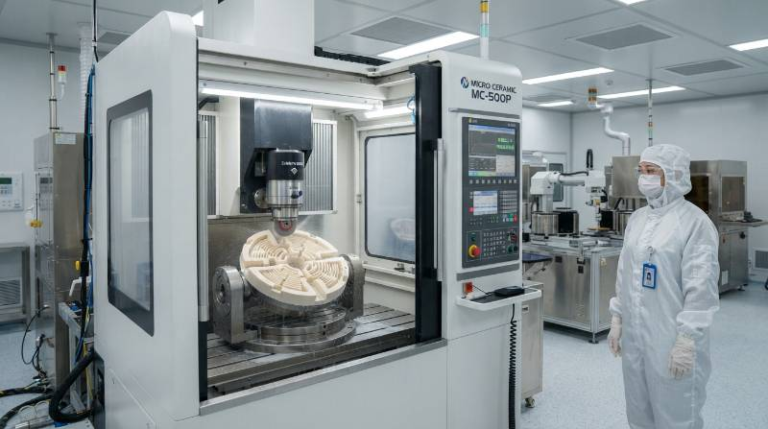
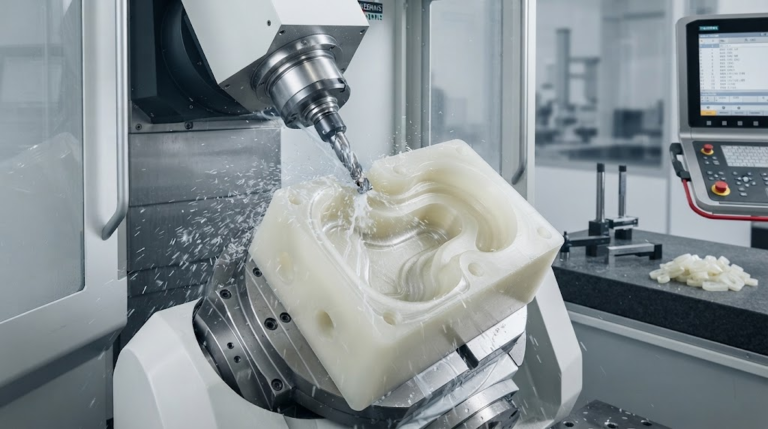
Complex geometries, such as internal sharp corners or deep cavities in tungsten steel, are impossible to achieve with mechanical milling alone. We integrate 5-axis CNC milling with Electrical Discharge Machining (EDM).
While 5-axis milling handles the bulk material removal, EDM uses electrical sparks to erode the tungsten. This hybrid workflow is critical for tool and die makers who require intricate patterns in hardened inserts. By combining these methods, we maintain sub-micron tolerances across complex curved surfaces.
Our facility’s integration of these technologies allows us to meet Aerospace Manufacturing Standards for components that must withstand extreme thermal stress without losing structural integrity.
Industry Applications: Aerospace, Medical, and Automotive
Tungsten’s density makes it ideal for radiation shielding and vibration dampening. We specialize in Medical Device Component Production, creating surgical robotic arms and radiation collimators that require absolute bio-compatibility and precision.
In the aerospace sector, our AS9100 and ISO 9001 Certification ensure that every turbine weight or balance component meets flight-safety regulations. The automotive industry relies on our tungsten machining for high-performance crankshaft weights and semiconductor dies.
“The transition to electric vehicles has increased the demand for tungsten-based semiconductor dies. We define precision in this space as the ability to repeat 0.5-micron accuracy over a 10,000-unit production run.” — Dr. Aris Thorne, Lead Materials Scientist
Sustainability: Tungsten Scrap Recycling and Efficiency
Tungsten is a critical raw material with a complex supply chain. We prioritize sustainable manufacturing by implementing a closed-loop tungsten scrap recycling program. All chips and swarf generated during the CNC process are collected and processed.
This commitment to a circular economy reduces the environmental impact of mining and lowers material costs for our clients. By optimizing our tool paths, we reduce material waste reduction by up to 15% per project.
Frequently Asked Questions about Tungsten Machining
Why is tungsten machining more expensive than steel?
The cost is higher due to the extreme tool wear resistance of the material, requiring expensive diamond-coated tools and slower cycle times to maintain dimensional accuracy.
Can you achieve a mirror finish on tungsten?
Yes. Through a combination of precision CNC machining and sequential polishing, we can achieve a surface finish Ra of less than 0.1 μm, resulting in a mirror-like appearance.
What certifications should I look for in a tungsten machinist?
Look for ISO 9001 for general quality and AS9100 if you are in the aerospace sector. These ensure the provider follows rigorous metrology verification protocols.
Certifications: AS9100 Rev D, ISO 9001:2015, Certified Six Sigma Black Belt.
External Resources:
National Institute of Standards and Technology (NIST),
ASM International Materials Database.