Aerospace Material Selection: Titanium vs Aluminum Alloys
Defining the Core Alloys: From 7075-T6 to Ti-6Al-4V
Aerospace engineering demands a ruthless evaluation of material properties. Aluminum and titanium represent the two pillars of modern airframe and engine construction.
Titanium alloys, particularly Ti-6Al-4V, offer an unparalleled strength-to-density ratio and corrosion resistance. Aluminum alloys, such as 7075-T6, provide high strength and excellent workability at a significantly lower price point for large-scale structural parts.
“Aerospace material selection is the strategic process of matching alloy chemical compositions to the specific mechanical, thermal, and economic requirements of a flight vehicle’s lifecycle.”
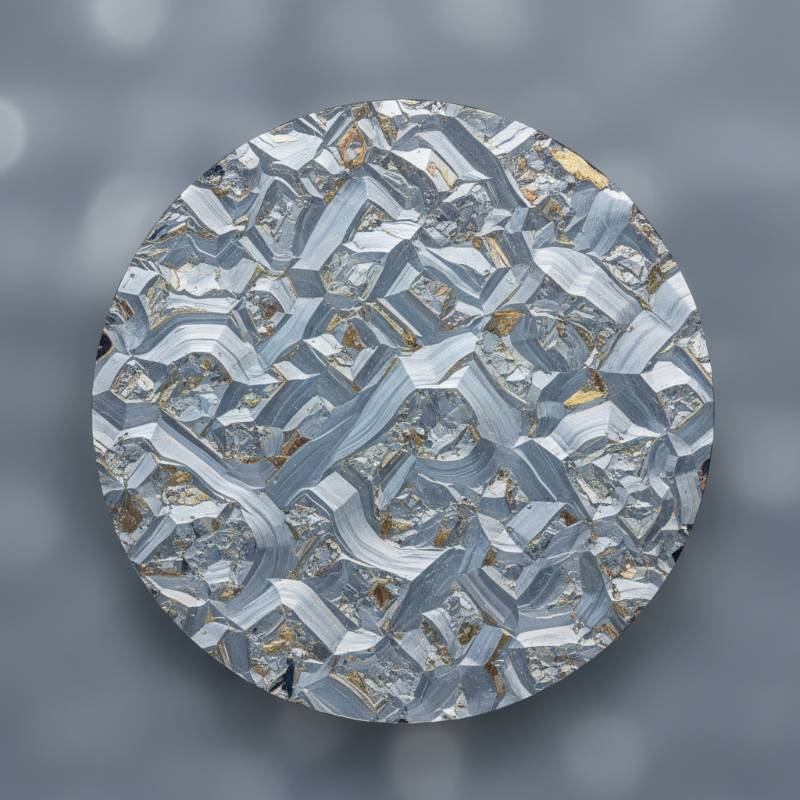
In our experience at Tyneen, the choice often hinges on the specific thermal zone of the aircraft. While aluminum dominates the fuselage, titanium is non-negotiable for engine pylons and landing gear pivots.
Mechanical Performance: Strength-to-Weight and Fatigue Life
The primary driver for titanium adoption is its specific strength. While aluminum is lighter in terms of raw density, titanium’s ability to withstand higher loads means engineers can use less material to achieve the same safety factor.
Fatigue life is another critical differentiator. Based on our data, titanium alloys exhibit a distinct fatigue limit, below which the material can theoretically withstand infinite cycles. Aluminum lacks this threshold, requiring more frequent inspections and scheduled replacements.
| Property | Aluminum 7075-T6 | Titanium Ti-6Al-4V |
|---|---|---|
| Density (g/cm³) | 2.81 | 4.43 |
| Tensile Strength (MPa) | 572 | 1170 |
| Max Operating Temp (°C) | ~120 | ~400-600 |
For projects requiring high-precision aerospace parts, understanding these thresholds is vital for ensuring long-term structural integrity.
Thermal Stability and Corrosion Resistance
Aluminum’s mechanical properties degrade rapidly above 150°C. This makes it unsuitable for jet engine turbine components or areas near exhaust flows. Titanium, however, maintains excellent creep resistance at elevated temperatures.
Corrosion resistance is where titanium truly shines. It is virtually immune to salt-water corrosion and atmospheric oxidation. While NASA technical reports highlight advanced coatings for aluminum, titanium remains the preferred choice for maritime patrol aircraft and cryogenic tank materials.
Economic Factors: 2026 Market Pricing and Machinability
In 2026, the aerospace supply chain faces unique pressures. Titanium prices remain volatile due to geopolitical shifts in sourcing. Aluminum remains the staple for commercial aviation because of its lower raw material cost and high machinability.
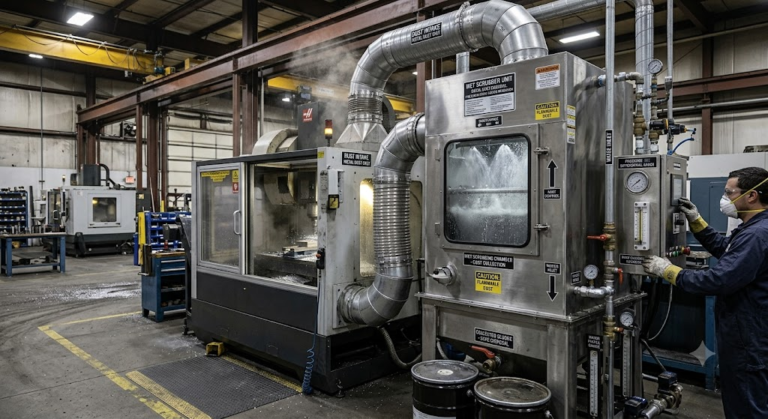
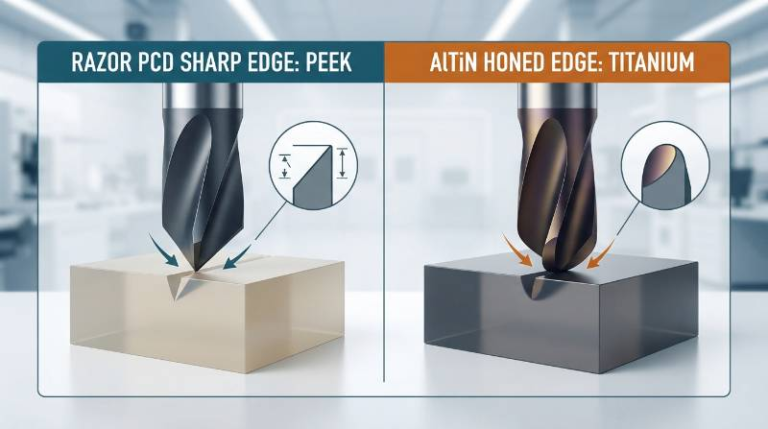
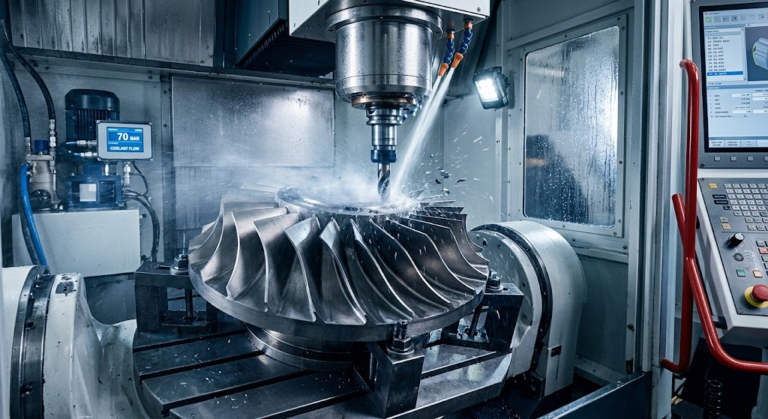
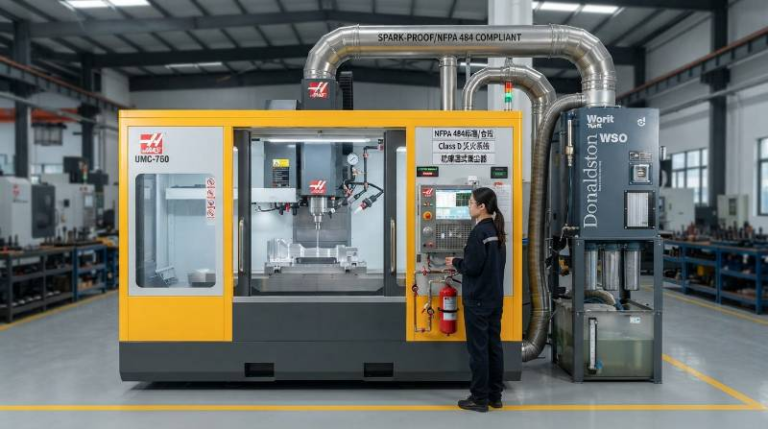
Titanium is notoriously difficult to machine. It has low thermal conductivity, which concentrates heat at the cutting edge, leading to rapid tool wear. We recommend assessing advanced machining solutions to mitigate these overheads during the procurement phase.
The Aero-Sustainability Matrix™
To simplify complex decision-making, we utilize The Aero-Sustainability Matrix™. This proprietary framework evaluates three distinct pillars before finalizing material selection:
- The Stress-to-Mass Audit: Identifying the exact point where titanium’s weight savings offset its higher initial cost via fuel efficiency.
- Lifecycle Carbon Tally: Measuring the carbon footprint of primary smelting vs. the secondary benefits of a lighter airframe over 20 years.
- Geopolitical Risk Index: Assessing the stability of the supply chain for specific alloy elements like Vanadium or Lithium.
By applying this matrix, procurement teams can move beyond simple price-per-pound metrics and look at the Total Cost of Ownership (TCO).
Structural Applications: Fuselages and Engines
Aluminum remains the king of the fuselage. Its ease of forming and riveting makes it ideal for the large surface areas of narrow-body and wide-body aircraft. However, as we move toward composite-heavy designs like the 787 or A350, titanium usage is increasing because it is galvanically compatible with carbon fiber.
In landing gear assemblies, the extreme impact loads and space constraints favor titanium. It allows for more compact designs that don’t sacrifice the toughness required for thousands of takeoff and landing cycles.
The Future of Manufacturing: Additive and 3D Visualization
The debate between titanium and aluminum is being rewritten by additive manufacturing (AM). Techniques like Laser Powder Bed Fusion (LPBF) allow for generative designs that were previously impossible to machine.
Titanium is particularly well-suited for AM. By using 3D visualization to optimize wall thickness, engineers can reduce waste significantly. This “buy-to-fly” optimization is a cornerstone of the modern aerospace manufacturing workflow.
Frequently Asked Questions
Why is titanium used instead of aluminum in jet engines?
Titanium maintains its mechanical strength and resists oxidation at much higher temperatures than aluminum, which would soften and fail in the high-heat environment of a jet engine.
Is aluminum still relevant in 2026 aerospace design?
Absolutely. Aluminum alloys, especially new Aluminum-Lithium (Al-Li) variations, offer significant weight savings and remain the most cost-effective solution for large structural components like wing skins.
How does additive manufacturing affect the cost of titanium parts?
AM reduces the amount of raw material wasted during production. Since titanium is expensive, reducing the “buy-to-fly” ratio through 3D printing makes titanium components more economically competitive with aluminum.
Ready to Optimize Your Material Strategy?
Whether you need high-strength titanium components or cost-effective aluminum assemblies, our team provides the technical expertise to guide your selection.