MQL in Magnesium CNC Turning: 2026 Efficiency Guide
The Evolution of MQL Machining for Magnesium Alloys
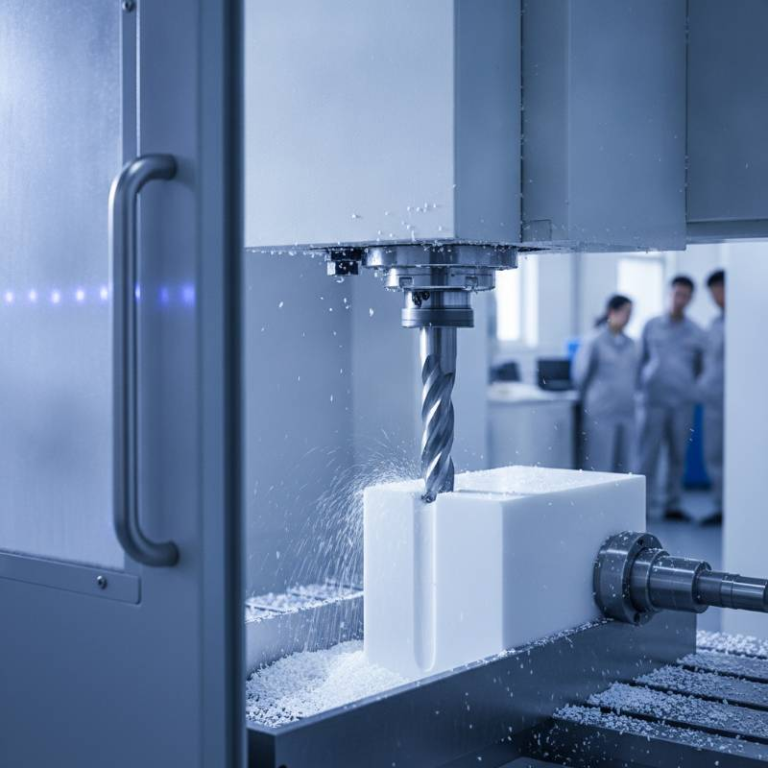
Magnesium is the lightest structural metal available. Its high strength-to-weight ratio makes it essential for 2026 aerospace and EV manufacturing. However, its reactivity creates significant challenges for traditional CNC turning.
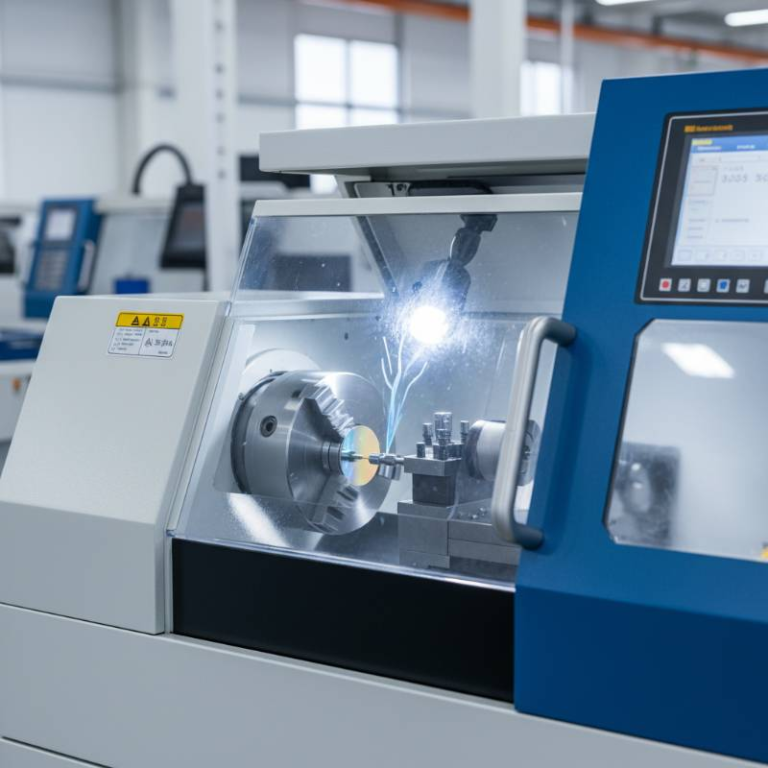
Minimum Quantity Lubrication (MQL) in magnesium CNC turning utilizes a precise aerosol of biodegradable oil to lubricate the cutting edge. This method prevents the chemical reactions and hydrogen gas buildup associated with water-based flood coolants, ensuring a safer and more Sustainable Machining Solution.
By 2026, MQL has transitioned from an alternative method to the industry standard for ESG compliant CNC machining. It bridges the gap between the speed of wet machining and the cleanliness of dry machining, often referred to as near-dry machining.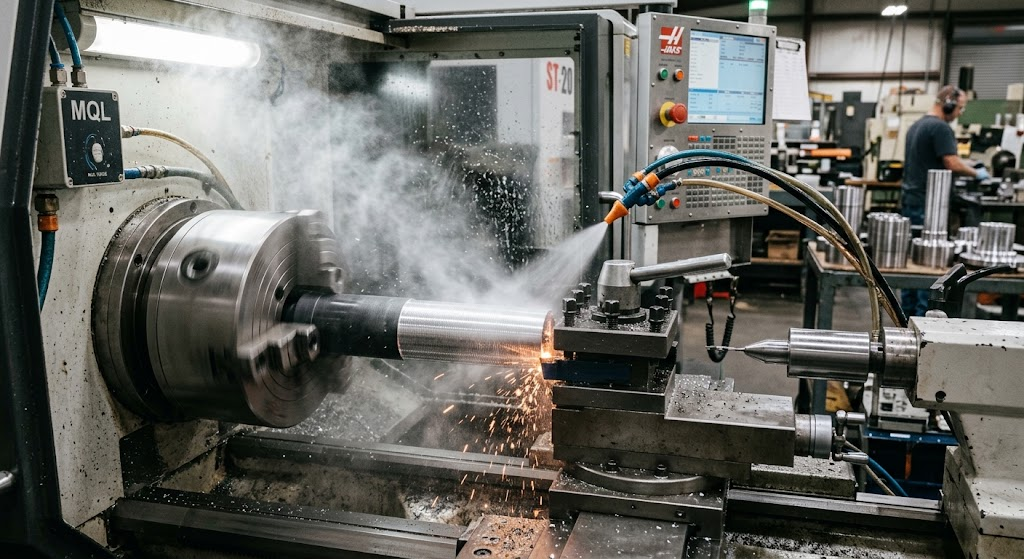 The Mag-Safe MQL Protocol: A Proprietary Safety Framework
Safety is the primary barrier to high-speed magnesium turning. To address this, we utilize The Mag-Safe MQL Protocol. This 3-phase framework ensures thermal stability and fire prevention.
Phase 1: Predictive Mist Control
We calculate the exact aerosol density required based on the specific magnesium alloy, such as AZ31 or AZ91. This prevents excess oil accumulation while ensuring the tool-chip interface remains lubricated.
Phase 2: Thermal Equilibrium Monitoring
Sensors track the temperature of the workpiece. Magnesium flammability increases as it nears its melting point. MQL maintains a constant temperature, preventing the “ignition window” from being reached during heavy roughing passes.
Phase 3: Automated Swarf Neutralization
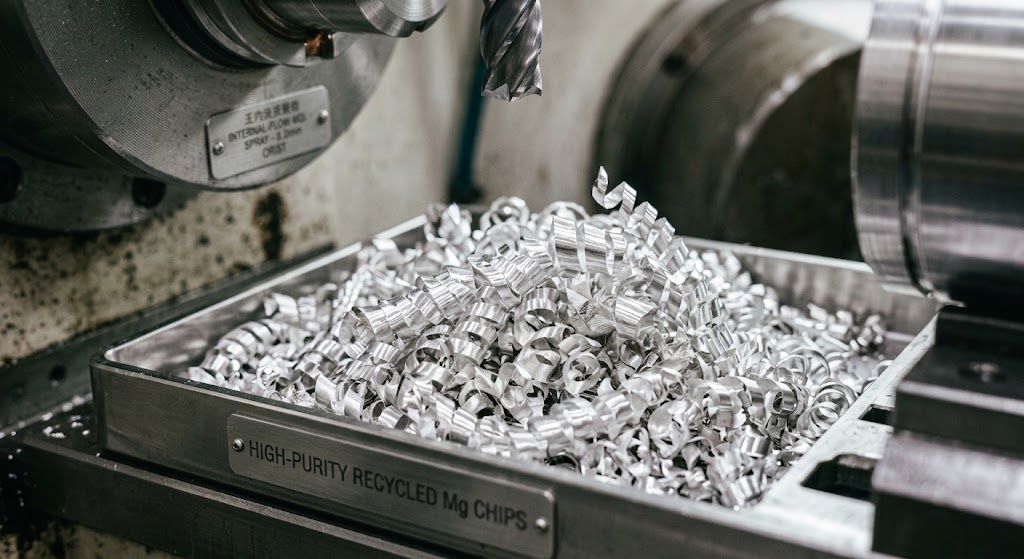
Unlike flood cooling which creates hazardous sludge, MQL leaves the chips dry and manageable. Our protocol includes high-velocity air blasts to evacuate chips immediately, preventing heat soak in the machine bed.
Technical Implementation: Internal vs. External Delivery Systems
Choosing the right delivery system is critical for deep-hole turning or complex geometries. In our experience, the delivery method dictates the final surface integrity of the component.
- External Spray Systems: These use nozzles mounted near the tool post. They are easy to retrofit but can struggle to reach the cutting zone during internal boring operations.
- Internal (Through-Spindle) MQL: This delivers the aerosol directly through the tool. It provides superior thermal stability and is the preferred choice for high-volume 5-axis CNC turning.
Proper nozzle geometry is essential to prevent aerosol coalescence. If the oil droplets become too large, they fail to penetrate the vapor barrier at the cutting edge, leading to rapid tool wear.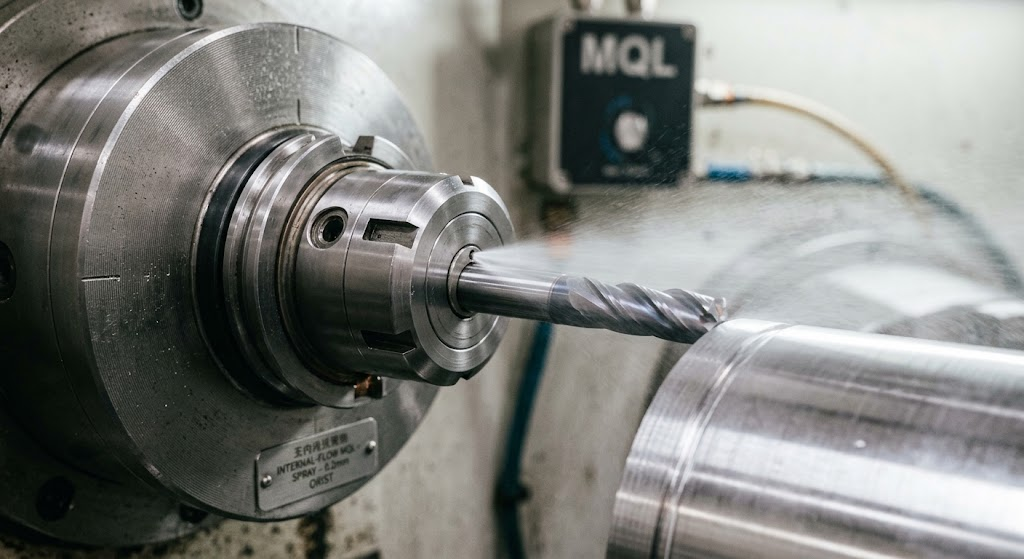 AI-Adaptive MQL: Real-Time Sensors for Micro-Combustion Prevention
The most significant advancement in 2026 is AI-driven MQL flow adjustment. Magnesium turning can occasionally produce “micro-sparks” or micro-combustion events that are invisible to the human eye but degrade the surface finish.
Modern CNC Turning Centers now integrate acoustic and optical sensors. These systems detect the frequency of micro-combustion and instantly increase the aerosol pulse. This real-time feedback loop allows for higher cutting speeds without the risk of a full-scale fire.
“The integration of real-time sensor feedback has effectively removed the ‘fear factor’ from magnesium machining. We can now push feed rates by 20% compared to 2023 standards while maintaining absolute safety.” — Senior Manufacturing Engineer, Tyneen Research Lab
MQL vs. Cryogenic Cooling: 2026 Aerospace Benchmarks
While cryogenic cooling (using liquid CO2 or Nitrogen) is popular for titanium, MQL often proves more efficient for magnesium alloys. Below is a comparison based on current 2026 aerospace specifications.
| Metric | MQL Technology | Cryogenic Cooling |
|---|---|---|
| Surface Finish (Ra) | 0.4 – 0.8 µm | 0.3 – 0.6 µm |
| Energy Consumption | Low (Air + Micro-pump) | High (Gas compression) |
| Tool Life Increase | 25-35% | 40-50% |
| Swarf Recyclability | Excellent (Dry-state) | High |
Sustainability and ROI: The Carbon Footprint of Magnesium Production
The economic argument for MQL extends beyond the machine shop. In 2026, the shift to MQL ester oils has revolutionized the circular economy for magnesium. These plant-based oils do not contaminate the magnesium swarf.
Standard flood coolants leave a residue that must be chemically removed before the chips can be remelted. With MQL, the chips are near-virgin quality. This increases their resale value as high-purity feedstock for additive manufacturing or die-casting.
For a detailed look at how we optimize these processes, see our Advanced Tooling Guide. Our data suggests that shops switching to MQL see an average ROI within 14 months through reduced fluid costs and lower waste disposal fees.
Nano-MQL Case Study: High-Volume Automotive Turning
In a recent project for a Tier-1 automotive supplier, we implemented Nano-MQL for the production of magnesium steering column housings. The goal was to reduce cycle time while maintaining strict OSHA air quality standards.
By using an aerosol lubrication system with droplet sizes under 1 micron, we achieved:
- A 30% increase in tool life by reducing adhesive wear.
- A 15% reduction in cycle time due to higher allowable spindle speeds.
- Zero documented fire incidents over 50,000 units produced.
This implementation proves that MQL is not just for niche aerospace parts but is a robust solution for high-volume Our CNC Services.
Frequently Asked Questions about Magnesium MQL
Is MQL actually safer than flood coolant for magnesium?
Yes. Water-based flood coolants can react with magnesium to produce hydrogen gas, which is highly explosive. MQL uses air and a tiny amount of oil, eliminating the water-magnesium reaction entirely.
Does MQL require special mist collectors for OSHA compliance?
Yes, effective mist collectors are required to ensure the aerosol does not accumulate in the shop air. However, because MQL uses so little oil, the filtration requirements are often simpler than those for oil-smoke from traditional machining.
What is the typical cost of an MQL conversion?
A basic external retrofit starts at approximately $2,500 per machine. Integrated, AI-adaptive systems for high-end CNC centers can range from $10,000 to $15,000, but these costs are quickly offset by fluid savings and tool longevity.
Expert Review and References
This guide was reviewed by the Tyneen Engineering Team to ensure compliance with Industry 5.0 standards and Life Cycle Assessment (LCA) methodologies.
Author: Marcus V., Lead CNC Process Engineer (Certified Mastercam Professional). 15+ years experience in reactive metal machining.
References
Ready to Optimize Your Magnesium Production?
Reduce fire risk and boost efficiency with our AI-driven MQL solutions.