Machining Exotic Metals: Precision Engineering Solutions
Machining Exotic Metals: Expert CNC Milling for Inconel, Titanium, and Superalloys
The manufacturing landscape in 2026 demands components that thrive in extreme environments. Standard steels often fail where superalloys and refractory metals excel. At Tyneen, we specialize in bridging the gap between complex material science and high-volume production.
Machining these “difficult-to-cut” materials requires more than just standard equipment. It necessitates a deep understanding of thermal conductivity and molecular stress. Our approach ensures that your most ambitious designs are realized with absolute precision.
What is Exotic Metal Machining?
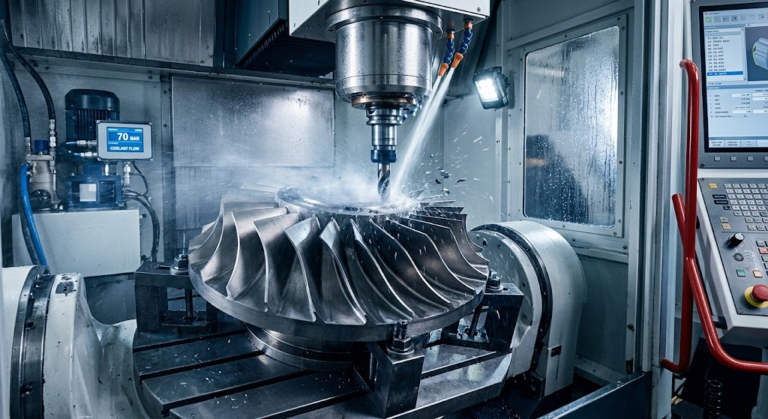
Machining exotic metals refers to the specialized CNC processes used to shape materials with extreme heat resistance, high strength-to-weight ratios, and significant chemical reactivity. These materials, including Inconel, Titanium, and Hastelloy, require rigid machine setups and precise feed rate optimization to prevent work hardening and catastrophic tool failure.
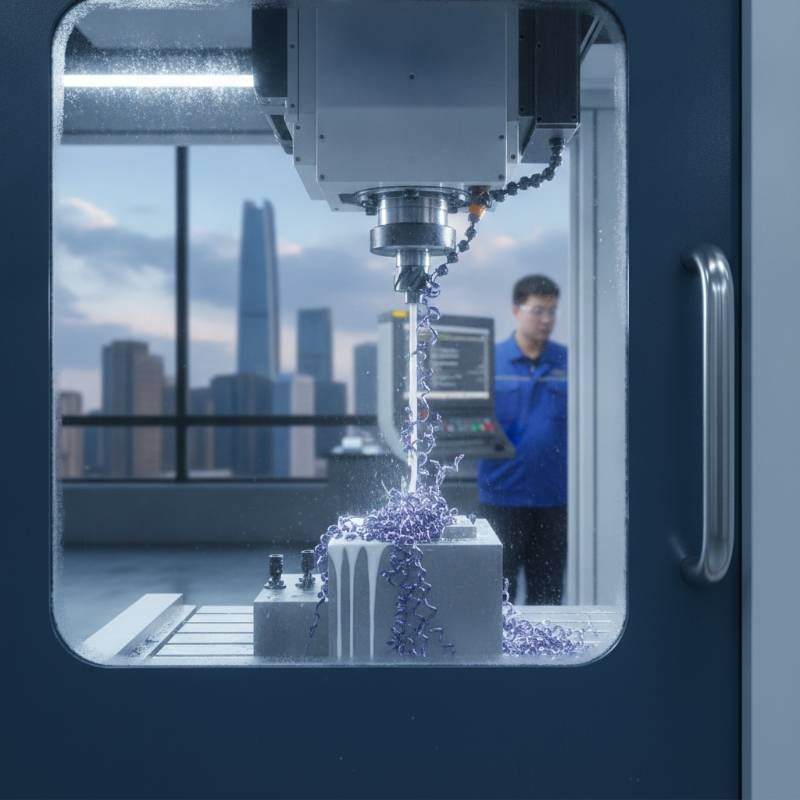
Traditional machining methods often fall short when handling 2026-grade alloys. These metals are designed to maintain structural integrity at temperatures that would melt conventional steel. This heat resistance is a double-edged sword; while it makes the final part durable, it makes the cutting process incredibly abrasive.
“Precision in superalloys isn’t just about the machine; it’s about managing the molecular stress of the material during the cut to ensure long-term structural integrity.” — Senior Engineering Lead, Tyneen
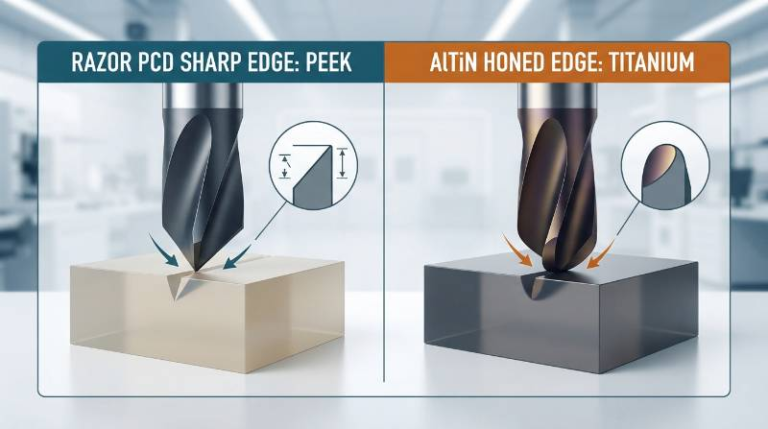
To succeed, engineers must account for the material’s low thermal conductivity. Instead of heat escaping through the chips, it stays at the cutting edge. This necessitates the use of Advanced Material Science Lab insights to select the correct coatings and geometries.
The Adaptive Thermal-Stress Protocol (ATSP)
At Tyneen, we have moved beyond trial-and-error. We utilize a proprietary methodology known as The Adaptive Thermal-Stress Protocol (ATSP). This framework integrates AI-driven sensors with our Precision CNC Machining Services to monitor real-time data during the cut.
The ATSP 3-Step Framework:
- Phase 1: Thermal Profiling. We analyze the specific heat signature of the alloy grade to determine the optimal coolant pressure and delivery angle.
- Phase 2: Stress-Regulated Toolpaths. Using dynamic milling strategies, we maintain a constant chip load, preventing the material from work hardening.
- Phase 3: Real-Time Tool Wear Optimization. Sensors detect the subtle vibration changes that signal a tool is approaching the end of its life, allowing for preemptive replacement before tolerances drift.
By applying ATSP, we achieve surface finish requirements that exceed industry standards, even in materials as challenging as Titanium Grade 5 or Inconel 625.
Material Science: Machinability of 2026 Superalloys
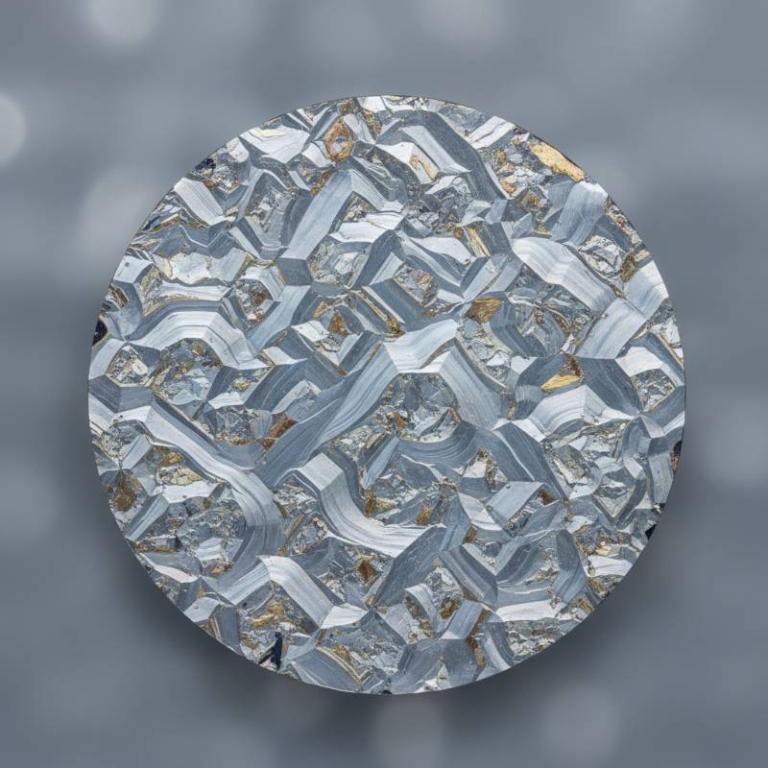
Understanding the chemical makeup of your material is the first step in successful production. Modern superalloys often contain high percentages of nickel, cobalt, and chromium. These elements provide superior corrosion resistance but create an abrasive environment for carbide inserts.
| Material Type | Thermal Conductivity | Main Challenge | Ideal Tooling |
|---|---|---|---|
| Titanium (Ti-6Al-4V) | Low | Chemical Reactivity | Uncoated/PCD Carbide |
| Inconel 718 | Very Low | Work Hardening | Ceramic or TiAlN Coated |
| Hastelloy C276 | Moderate | High Ductility | High Shear Geometry |
According to research from ASM International, the rapid advancement of additive manufacturing has led to new hybrid superalloys that require even more stringent chip control strategies.
Advanced CNC Techniques for High-Performance Milling
To master exotic metal machining, we deploy specific high-performance strategies. Vibration damping is critical, especially when dealing with thin-wall components for aerospace. Without proper damping, harmonic chatter can destroy a part in seconds.
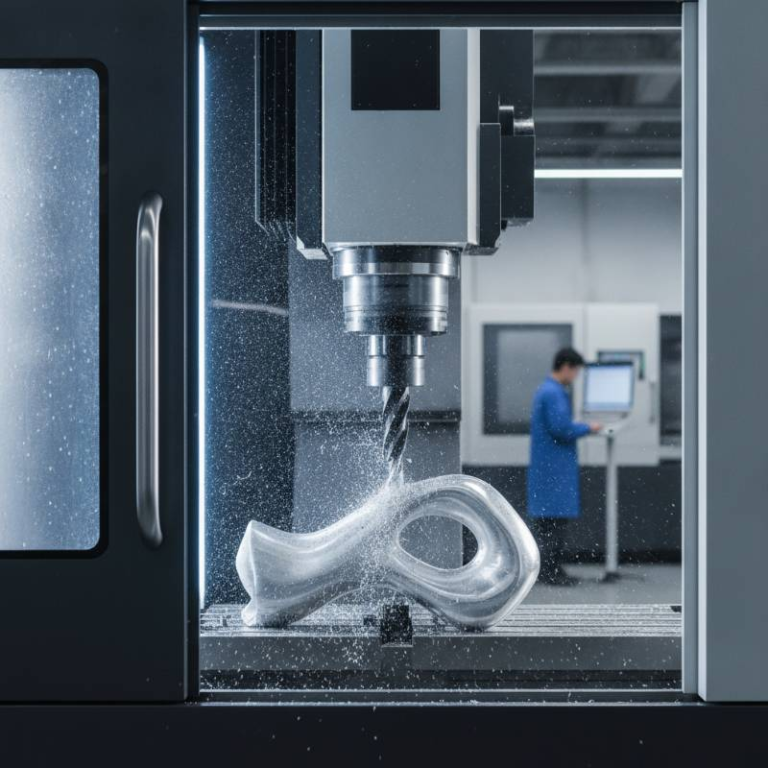
We utilize trochoidal milling paths to reduce the radial engagement of the tool. This technique allows for higher spindle speeds while keeping the temperature at the tool-tip manageable. Combined with through-spindle coolant at pressures exceeding 1,000 PSI, we ensure that chips are evacuated immediately to prevent re-cutting.
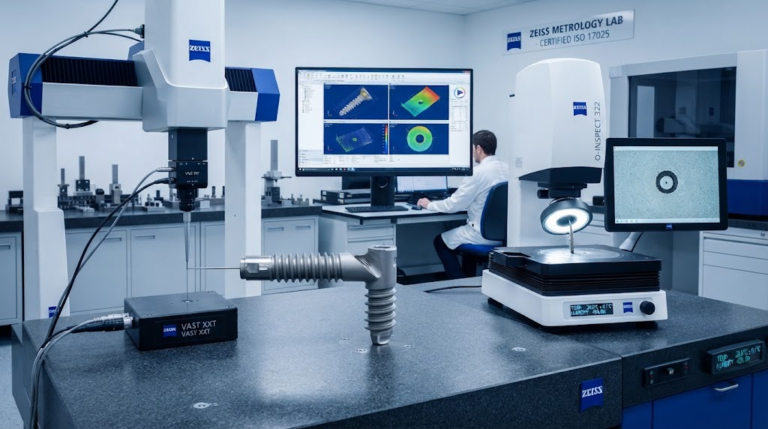
Our facility operates under a strict AS9100D and ISO 9001:2015 quality framework. This ensures that every process, from initial material sourcing to final inspection, meets the rigorous standards required by our global partners.
Industry Applications: Aerospace, Medical, and Energy
The demand for exotic metal machining is driven by three primary sectors. Each requires a unique approach to compliance and manufacturing precision.
1. Aerospace Engineering Solutions:
Turbine blades, housing components, and engine mounts rely on Inconel and Titanium for their high-temperature strength. Our Aerospace Engineering Solutions focus on reducing weight without compromising structural safety.
2. Medical Device Manufacturing:
Biocompatibility makes Titanium and Nitinol the materials of choice for Medical Device Manufacturing. We produce orthopedic implants and surgical instruments that meet ISO 13485 standards.
3. Energy and Defense:
Subsea oil and gas equipment must withstand highly corrosive environments. Hastelloy and Monel are frequently used for valves and connectors where failure is not an option.
Sustainability: The ‘Green-Cut’ Machining Initiative
In 2026, sustainability is no longer optional. Tyneen has pioneered the “Green-Cut” initiative, focusing on the environmental impact of machining superalloys. Because these metals are expensive and energy-intensive to produce, we prioritize a zero-waste workflow.
Our systems include advanced coolant recycling that filters out micro-particulates, extending fluid life and reducing chemical waste. Furthermore, our scrap management program ensures that 100% of exotic metal chips are returned to refineries to be processed back into 2026-grade certified bar stock.
Case Study: Real-Time Performance Data
A recent project involved the production of Inconel 718 turbine manifold components. By implementing the ATSP methodology, we achieved the following results:
- Tool Life Extension: 42% increase compared to standard high-speed milling.
- Cycle Time Reduction: 18% improvement through optimized trochoidal toolpaths.
- Surface Integrity: Zero instances of micro-cracking or residual stress deformation.
Frequently Asked Questions
What are the typical lead times for exotic metal machining?
Lead times vary based on material availability. While standard alloys are often in stock, specialized 2026 superalloys may require 4-8 weeks for sourcing. Once material is on-site, our ATSP-optimized processes ensure rapid production cycles.
What tolerances can be achieved with Titanium and Inconel?
We routinely hold tolerances of +/- 0.0002 inches (0.005mm). Achieving this requires temperature-controlled environments and high-precision CNC equipment to counteract the material’s thermal expansion during the cut.
How does DFM change for superalloys?
Design for Manufacturability (DFM) for exotic metals emphasizes minimizing deep pockets and small-diameter internal radii. These features are prone to tool deflection and heat buildup, which can compromise the integrity of the component.
Ready to Optimize Your Exotic Metal Production?
Partner with Tyneen for elite engineering support and 2026-ready CNC solutions. Whether you are developing aerospace components or medical implants, our team is ready to assist.