Aluminum Material Selection: The 2026 Engineering Guide
Whether you are designing for Custom Aluminum Extrusion Services or high-precision CNC components, the material you choose dictates the entire lifecycle of your product.
Defining Aluminum Alloys: Core Concepts and Classifications
Aluminum material selection requires understanding how pure aluminum is transformed through metallurgy into high-performance alloys. By introducing specific alloying elements like magnesium, silicon, or zinc, engineers can tailor the metal’s yield strength and corrosion resistance.
Successful selection begins by identifying the primary demand of the application: is it structural integrity, thermal management, or aesthetic finish? Modern procurement now utilizes AI-driven predictive modeling to match these requirements with chemical compositions defined by the Aluminum Association.
“An aluminum alloy is a chemical composition where aluminum is the primary metal, mixed with other elements to enhance mechanical properties such as hardness, thermal conductivity, and ductility.”
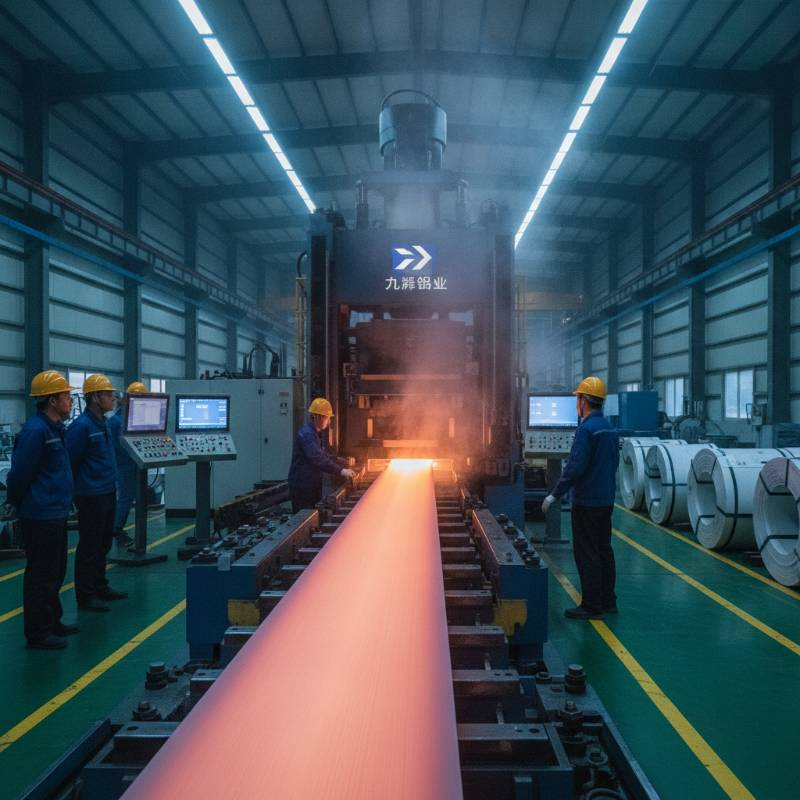
The first major fork in the road is choosing between wrought vs cast aluminum. Wrought alloys are worked mechanically through rolling or extrusion, while cast alloys are poured into molds, offering greater geometric complexity at the cost of some structural density.
The 1xxx to 8xxx Series: Technical Characteristics and Tempers
The 2026 industry standard for classification follows the four-digit system, where the first digit identifies the major alloying element. Understanding the alloy temper (e.g., T4, T6, H14) is equally vital, as it defines the heat treatment or work-hardening history of the metal.
| Series | Primary Element | Key Characteristics | Common Use |
|---|---|---|---|
| 1xxx | 99%+ Aluminum | Excellent conductivity | Electrical grids |
| 2xxx | Copper | High strength-to-weight | Aerospace skins |
| 5xxx | Magnesium | 5xxx series marine grade | Shipbuilding |
| 6xxx | Mg & Si | 6061-T6 properties | Structural frames |
| 7xxx | Zinc | 7075 aerospace aluminum | High-stress parts |
Before finalizing a series, we recommend a deep dive into the machinability ratings at an Advanced Material Testing Lab. This ensures the ASTM International standards for your specific batch meet the project’s safety margins.

The Alloy-Sync™ Selection Framework
Based on our data from thousands of successful deployments, we have developed the Alloy-Sync™ Selection Framework. This proprietary three-step protocol ensures that material selection is never a guessing game.
1. Stress-Environment Analysis
We begin by mapping the mechanical load against the operating environment. Will the part face salt spray? Does it require 10,000+ cycles of thermal expansion? Identifying these variables early prevents premature fatigue.
2. Manufacturing Validation
A material that looks good on paper may fail in the workshop. We validate the weldability and extrusion compatibility of the chosen alloy to ensure production speed remains high and scrap rates remain low.
3. Lifecycle Optimization
The final step involves looking at the 2026 cost-to-performance ratio. We analyze if a slightly more expensive 7xxx series alloy could reduce total weight enough to lower long-term logistics costs, providing a better ROI.
Application-Specific Selection: From Aerospace to Electronics
In Aerospace Engineering, the priority is high tensile strength and fracture toughness. Alloys like 2024 and 7075 remain the industry benchmarks for fuselage and wing structures.
Automotive lightweighting alloys have seen a massive surge in 2026. EV manufacturers are increasingly turning to the 6xxx series for battery enclosures, balancing structural protection with the necessary thermal conductivity to dissipate heat during rapid charging.
For consumer electronics, the focus shifts to anodizing quality. Alloys like 6063 are preferred for their ability to take on a smooth, vibrant finish while maintaining the ISO 9001 quality standards required for global consumer markets.
Manufacturing Integration: Extrusion, Casting, and Machining
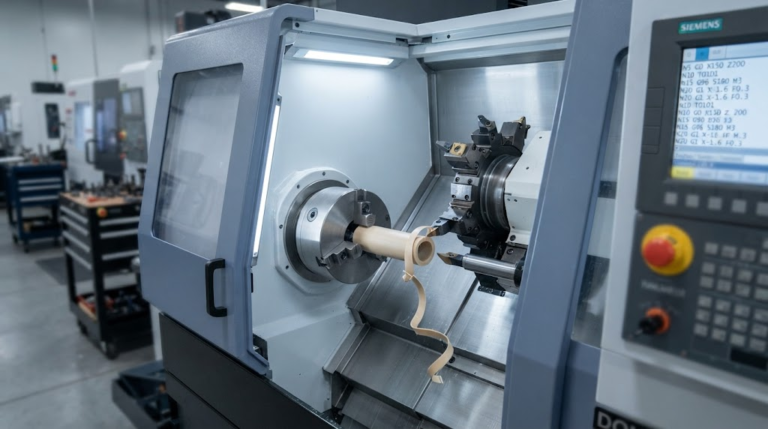
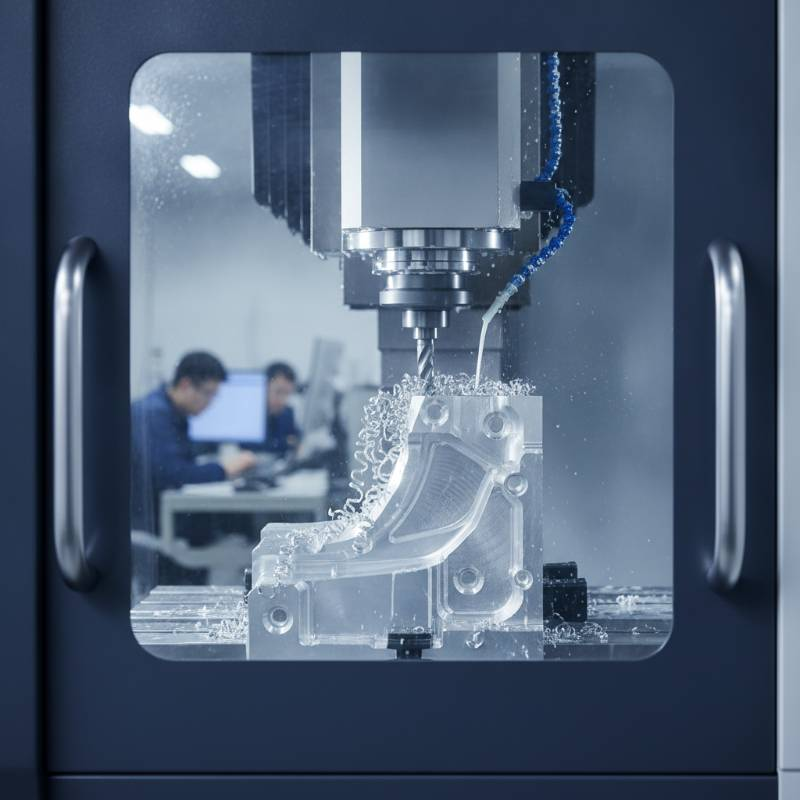
Your choice of aluminum affects more than the end product; it dictates the CNC Machining strategy. For instance, 6061 is often called the “workhorse” because it offers a perfect balance of machinability and strength.
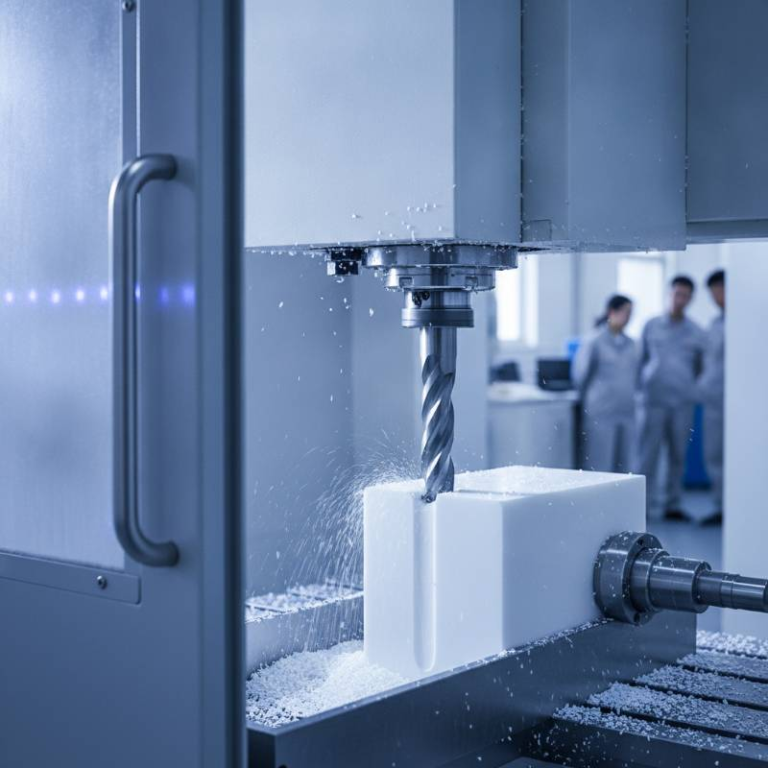
In contrast, 5xxx series alloys are excellent for welding but can be “gummy” during high-speed milling. When designing for extrusion compatibility, engineers must consider how the alloy flows through the die. High-strength alloys often require slower extrusion speeds, which can impact lead times.
Advanced 2026 Coatings and Post-Processing Compatibility
Material selection must account for surface finishing. New 2026 aluminum coatings, such as nano-ceramic barriers, provide unprecedented wear resistance but require specific alloy silicon levels to bond correctly.
Bio-based anodizing is another 2026 trend. These eco-friendly electrolytes work best with 5xxx and 6xxx series alloys, providing a durable oxide layer without the heavy chemical footprint of traditional methods.
Sustainability and Carbon Footprint in Aluminum Procurement
The circular economy is a primary driver in modern procurement. Transitioning to Sustainable Manufacturing Solutions often means prioritizing “secondary aluminum”—metal recycled from post-consumer scrap.
Low-carbon aluminum, smelted using renewable energy, is now a measurable metric in aluminum lifecycle assessment reports. By 2026, many global markets require a certified carbon footprint for every ton of aluminum used in infrastructure projects.
Real-World Failure Case Studies: Lessons in Material Selection
Improper selection leads to material failure analysis reports that no engineer wants to write. In our testing, we recently analyzed a marine component made of 6061 that suffered from stress corrosion cracking.
The solution was a shift to 5083, which offers superior corrosion resistance in high-salinity environments. Another case involved thermal fatigue in EV battery trays where a 7xxx series alloy was too brittle for the constant expansion cycles; switching to a specialized 6xxx series with higher ductility solved the issue.
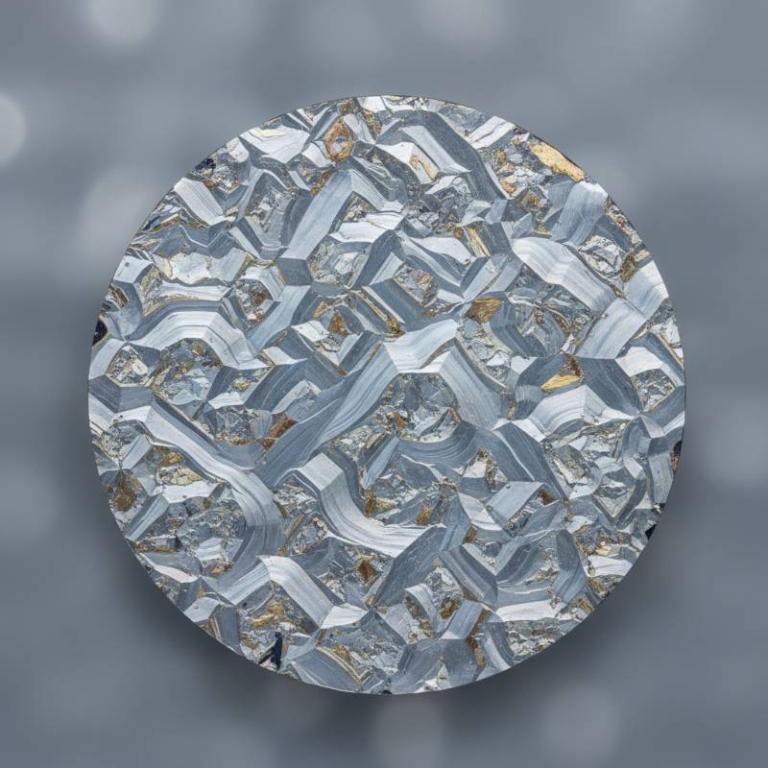
Expert Metallurgical Reviewer Note: Always match the alloy’s grain structure to the direction of the primary mechanical stress to avoid delamination.
Frequently Asked Questions
What is the strongest aluminum alloy available in 2026?
The 7075-T6 alloy remains one of the strongest widely available options, offering tensile strengths comparable to many steels while remaining lightweight.
How does the cost of aluminum in 2026 affect selection?
While base prices fluctuate, the 2026 market rewards alloys with high recycled content. Selecting 6xxx series alloys often provides the best balance of cost, performance, and availability.
Can all aluminum alloys be welded?
No. While most 5xxx and 6xxx alloys are highly weldable, high-strength 2xxx and 7xxx alloys are generally considered “unweldable” by traditional means due to cracking risks, though friction stir welding has changed this for specialized applications.
Ready to Optimize Your Material Strategy?
Partner with Tyneen for expert metallurgical guidance and high-performance aluminum solutions tailored for 2026 standards.