IATF 16949 Automotive Precision Milling Suppliers (2026)
Elite IATF 16949 Precision Milling Suppliers for 2026
The global automotive supply chain in 2026 demands more than just parts; it requires absolute process certainty. For Tier 1 manufacturers, finding IATF 16949 automotive precision milling suppliers is the first step in mitigating risk and ensuring vehicle safety. These elite suppliers operate under a rigorous quality framework that bridges the gap between complex engineering designs and high-volume production reality.
As vehicle architectures shift toward electrification, the demand for lightweight, high-strength components has surged. Suppliers like Tyneen provide the technical infrastructure to handle these evolving requirements. By integrating Advanced CNC Machining with strict regulatory oversight, these partners become an extension of your own engineering team.
Defining Precision Milling in the Automotive Sector
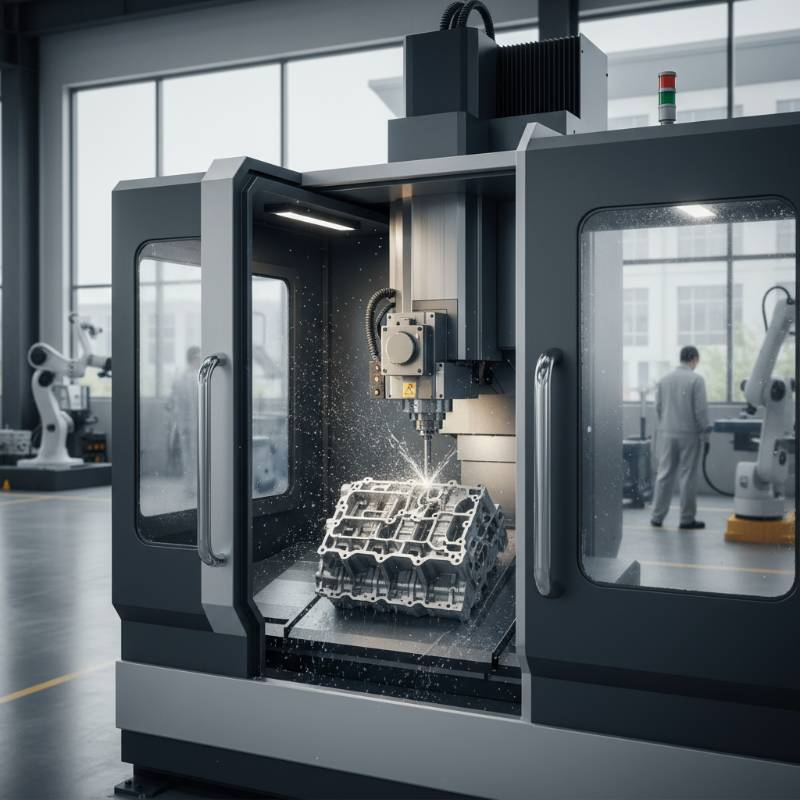
Precision milling in the automotive industry involves using computer-controlled cutting tools to remove material from a raw workpiece, achieving tolerances as tight as ±0.005mm. This process is essential for safety-critical components like engine blocks, transmission housings, and EV battery enclosures where dimensional accuracy is paramount.
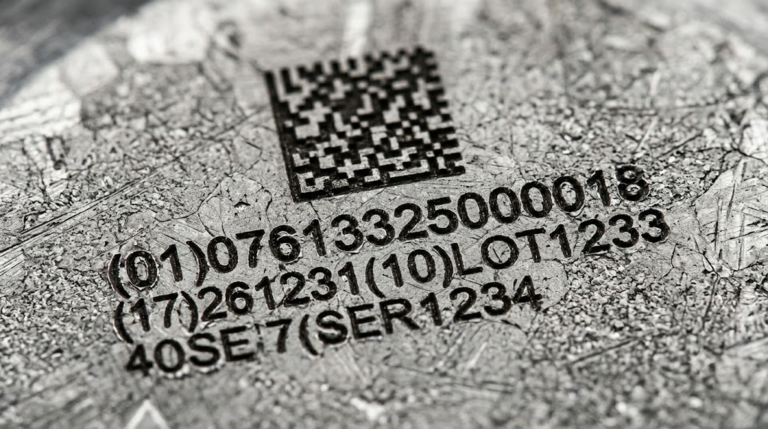
Selecting a supplier with IATF 16949 certification ensures that every milled component undergoes a standardized lifecycle of quality checks. This certification goes beyond standard ISO 9001 requirements by emphasizing defect prevention and the reduction of variation and waste in the supply chain.
“In the automotive world, a deviation of a few microns isn’t just a technical error; it’s a potential recall. Our focus is on repeatable perfection.”
— Marcus Thorne, Chief Quality Officer
The “Zero-Defect Precision Protocol” for Quality Assurance
At the heart of elite manufacturing is a proprietary methodology we call the Zero-Defect Precision Protocol. This framework moves beyond simple inspections and embeds quality into the machining DNA itself. It consists of three distinct phases designed to satisfy the most demanding Quality Management Systems.
Phase 1: Pre-Production Audit
Before the first spindle turns, we conduct a comprehensive feasibility study. This includes analyzing material grain structures and tool-path simulations to predict heat deformation. This proactive approach is a cornerstone of our Automotive Engineering Services.
Phase 2: Real-Time APQP Monitoring
Advanced Product Quality Planning (APQP) isn’t just paperwork. In 2026, we utilize IoT-enabled sensors on our milling centers to monitor tool wear and vibration in real-time. If a machine drifts outside of 10% of its tolerance window, the system auto-corrects or halts production.
Phase 3: Post-Milling Validation
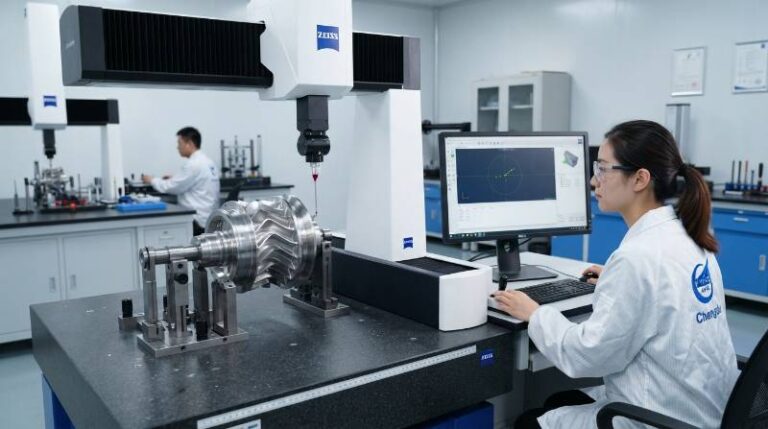
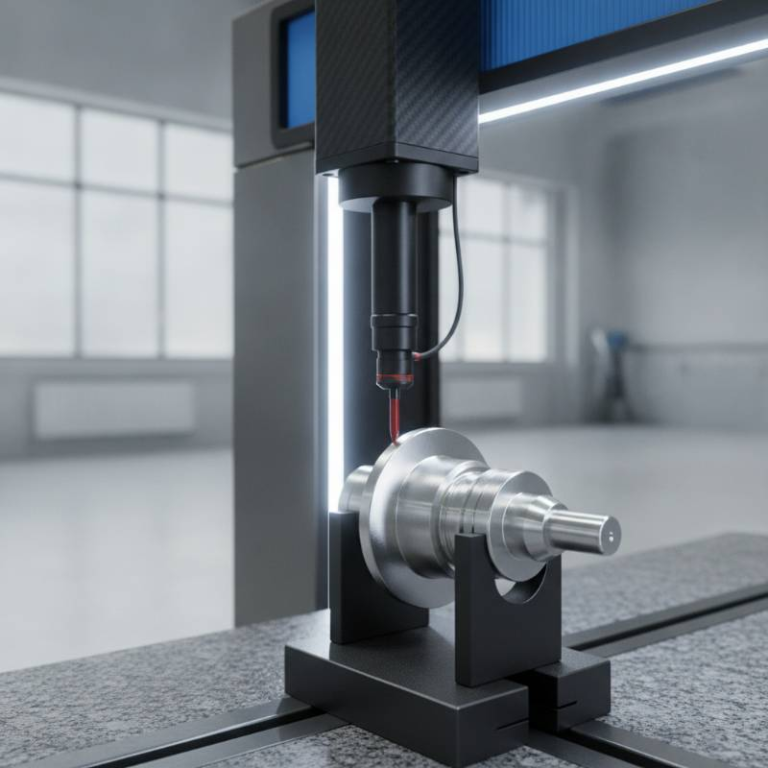
Every batch undergoes automated Coordinate Measuring Machine (CMM) inspections. This data feeds directly into the PPAP documentation, providing a transparent digital twin of the production run for the OEM.
Advanced 5-Axis Milling and Technical Capabilities
Modern automotive components feature complex geometries that 3-axis machines simply cannot handle efficiently. High-volume production now relies on 5-axis CNC centers that allow for single-setup machining. This reduces stacking errors and significantly cuts lead times for intricate parts.
Our material expertise covers the full spectrum of automotive-grade alloys. Whether it is 6061 aluminum for lightweight chassis parts or G3000 gray iron for heavy-duty engine components, the milling parameters are optimized for chip evacuation and surface finish.
| Feature | Standard Capability | Elite Supplier Level |
|---|---|---|
| Tolerance Range | ±0.05 mm | ±0.005 mm |
| Axis Movement | 3-Axis / 4-Axis | Simultaneous 5-Axis |
| Spindle Speed | Up to 12,000 RPM | 24,000+ RPM (High-Speed) |
| Surface Roughness | Ra 1.6 | Ra 0.4 or better |
By utilizing Advanced CNC Machining, we ensure that even the most complex cooling channels in EV battery plates are milled with perfect consistency across millions of units.
Navigating IATF 16949 Compliance and PPAP Requirements
The transition from ISO 9001 to IATF 16949 is a significant leap in operational maturity. While ISO focuses on general quality, IATF 16949—developed by the International Automotive Task Force—adds layers of risk management and contingency planning. This is critical for maintaining the global supply chain during disruptions.
A major hurdle for many procurement teams is the Level 3 PPAP (Production Part Approval Process). This requires the supplier to provide part samples, complete design records, and process capability studies. Our team specializes in streamlining this documentation, ensuring that your audit trail is bulletproof from day one.
Sustainability and Carbon Footprint in Modern Milling
In 2026, a supplier’s carbon footprint is as important as their price per part. High-precision milling is inherently subtractive, but it can be made green. We focus on Sustainable Manufacturing Initiatives by implementing closed-loop coolant systems and 100% scrap metal recycling.
Energy-efficient milling involves optimizing tool paths to reduce “air-cutting” time, which lowers electricity consumption. By choosing a partner dedicated to Sustainable Manufacturing Initiatives, OEMs can report lower Scope 3 emissions, meeting the strict environmental regulations of the EU and North American markets.
Process Comparison: Precision Milling vs. Investment Casting
Procurement managers often weigh the costs of milling against investment casting. While casting is efficient for massive volumes, precision milling offers superior structural integrity and faster speed-to-market. Milled parts do not suffer from internal porosity, which is vital for high-pressure hydraulic or fuel components.
| Metric | Precision Milling | Investment Casting |
|---|---|---|
| Initial Tooling Cost | Low (Workholding only) | High (Molds/Dies) |
| Lead Time (Prototype) | 1-2 Weeks | 6-10 Weeks |
| Material Strength | Excellent (Wrought properties) | Variable (Porosity risks) |
| Design Flexibility | High (Easy to iterate) | Low (Requires new molds) |
Frequently Asked Questions
How do I verify a supplier’s IATF 16949 certification?
You should request the supplier’s IATF certificate number and verify it through the official IATF Database. Valid certificates must be issued by an IATF-recognized certification body and show a clear audit history.
What are typical lead times for high-volume automotive milling?
For established production lines, lead times usually range from 4 to 8 weeks. However, for new components requiring full PPAP validation, expect 12 to 16 weeks to account for tool design, testing, and documentation approval.
Can you mill high-strength titanium for performance vehicles?
Yes. Specialized milling centers use high-torque spindles and advanced cooling techniques to machine Grade 5 Titanium while maintaining tight tolerances and preventing work hardening.
Ready to Secure Your 2026 Supply Chain?
Partner with an IATF 16949 certified leader in precision milling. Get a technical consultation and quote for your next Tier 1 project today.