Swiss Machining for Micro Medical Implants: 2026 Guide
Precision Swiss Machining for Micro Medical Implants
Micro-medical device manufacturing requires extreme precision that standard CNC turning cannot provide. As surgical techniques move toward minimally invasive procedures in 2026, the demand for smaller, more complex components has surged.
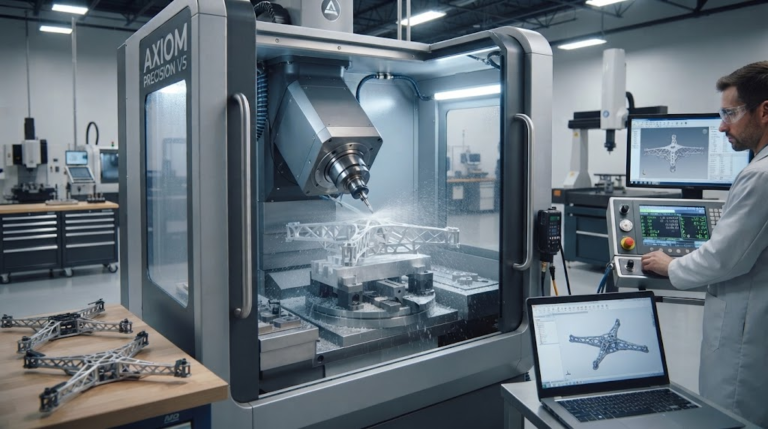
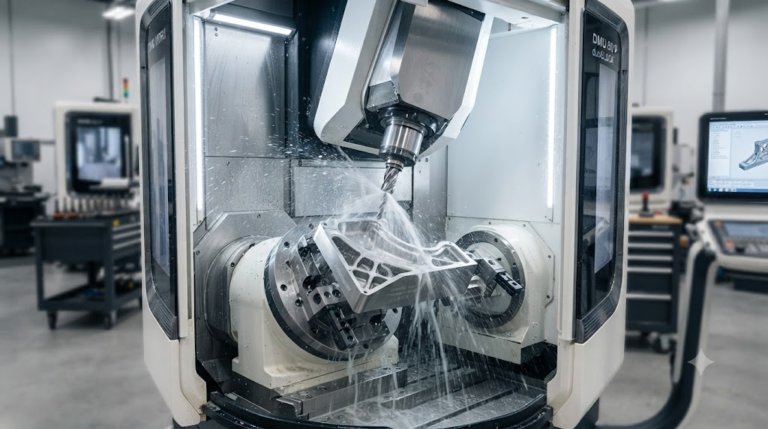
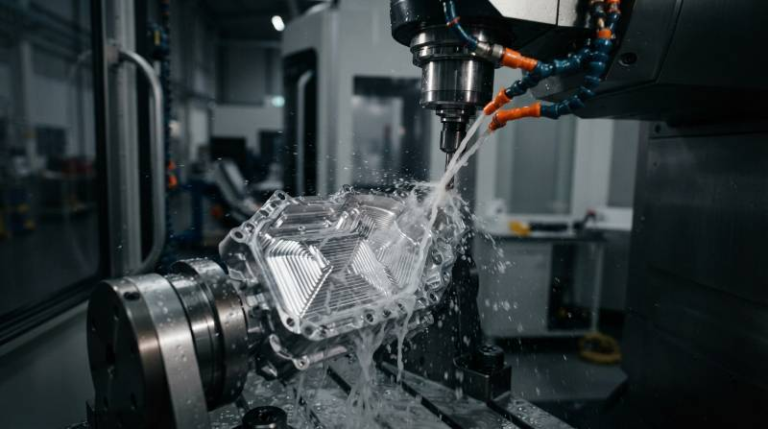
Tyneen specializes in high-precision Medical Device Manufacturing Services, utilizing advanced Swiss-type lathes to produce parts with sub-millimeter features. These machines are designed specifically for long, slender parts that require high rigidity during the cutting process.
Defining Micro-Medical Swiss Machining
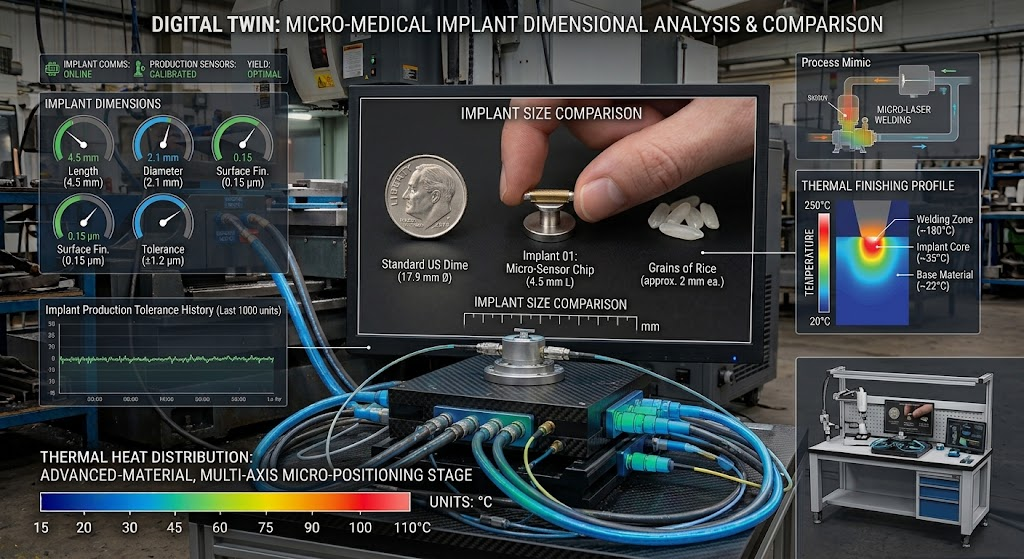
Swiss machining for micro medical implants is a specialized production method that uses a sliding headstock to support the workpiece close to the cutting tool. This setup minimizes deflection, allowing for the creation of intricate geometries in vascular stents, orthopedic screws, and neuro-stimulators.
“Micro-machining is defined by the production of parts where at least one dimension is in the sub-millimeter range, often requiring tolerances tighter than ±0.0001 inches.”
By leveraging Advanced Material Capabilities, we ensure that every micro-feature—from cross-drilled holes to internal threads—meets the rigorous standards of modern medicine. Our facility maintains sub-micron concentricity across high-volume production runs.
The Micro-Sync™ 5-Point Validation Protocol
To guarantee zero-defect manufacturing, Tyneen employs a proprietary methodology known as The Micro-Sync™ 5-Point Validation Protocol. This framework ensures that every implant is biologically safe and mechanically perfect.
- Thermal Stability Control: We monitor ambient and coolant temperatures to prevent micron-level expansion in the machine bed.
- Sub-Micron Verification: Automated optical inspection (AOI) systems verify dimensions in real-time.
- Material Integrity Check: Every bar of Grade 5 or Grade 23 Titanium undergoes ultrasonic testing before entering the lathe.
- Surface Topography Mapping: We achieve burr-free finishes through specialized electrochemical polishing and micro-milling.
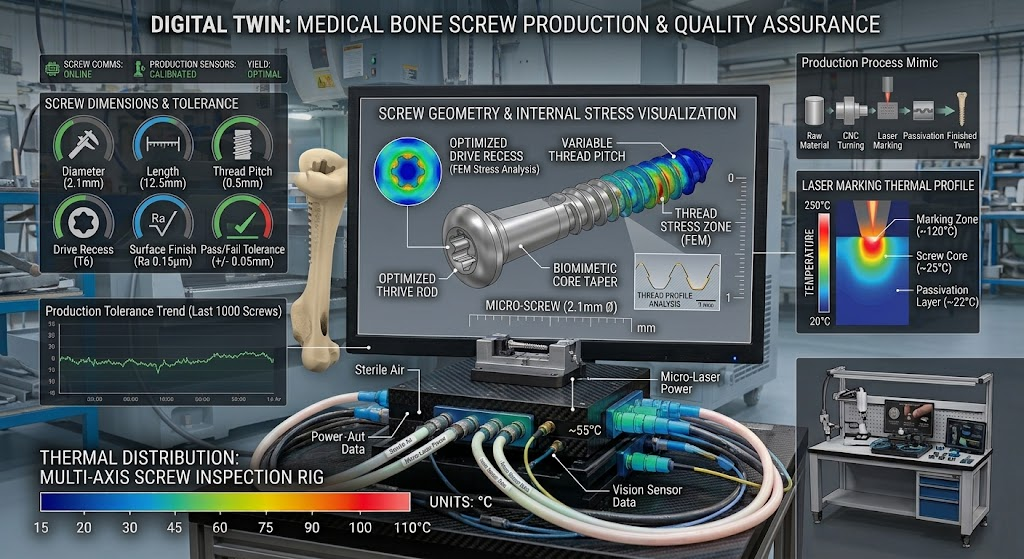
- Digital Twin Sync: Every part is assigned a digital twin for 100% traceability from raw material to the operating room.
Material Science: Grade 23 Titanium vs. PEEK Performance
Choosing the right material is critical for biocompatibility. In 2026, our data shows a shift toward Titanium Grade 23 (Ti-6Al-4V ELI) and high-performance polymers like PEEK for orthopedic and spinal applications.
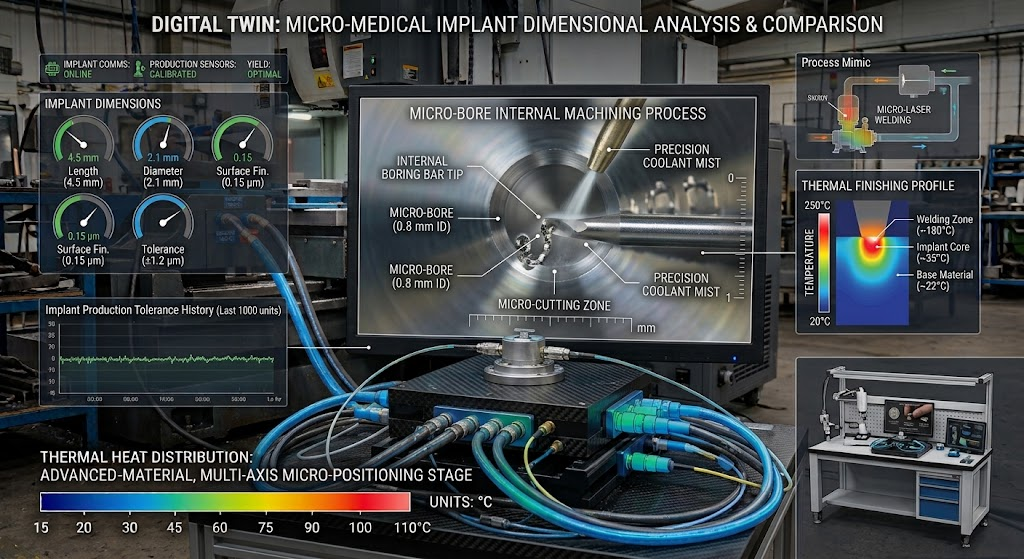
Titanium Grade 23 offers superior fracture toughness compared to standard Grade 5. However, it presents challenges in tool wear. During high-pressure machining, Grade 23 creates significant heat, requiring advanced carbide tooling with specialized coatings to maintain edge sharpness.
| Property | Titanium Grade 23 | PEEK (Polyetheretherketone) |
|---|---|---|
| Biocompatibility | Excellent (Metallic) | Excellent (Polymeric) |
| Machinability | Moderate (High Heat) | High (Requires Sharp Tools) |
| Standard Compliance | ASTM F136 | ASTM F2026 |
PEEK machining requires a different approach. Because PEEK has a lower melting point, we use razor-sharp PCD (Polycrystalline Diamond) tools to ensure clean cuts without inducing thermal stress or “smearing” the material surface.
Achieving Sub-Micron Concentricity with 13-Axis Systems
Modern 13-axis Swiss machines allow for the simultaneous machining of both ends of a part. This “one-and-done” capability is vital for spinal screws and neuro-stimulator housings.
By eliminating the need to move parts between different machines, we remove the risk of misalignment. This results in perfect concentricity, which is essential for components that must interface with robotic surgical arms.
2026 MDR Updates and Digital Twin Traceability
The 2026 Medical Device Regulation (MDR) updates have introduced stricter requirements for technical documentation. Manufacturers must now provide a comprehensive digital footprint for every implant.
Our Quality Management Systems integrate AI-driven tool-path optimization. This technology logs every cutting force and spindle speed deviation, creating a digital twin that proves the structural integrity of the part.
Compliance is further verified through our adherence to ISO 13485:2016 standards. We maintain full IQ/OQ/PQ validation protocols for every new product launch.
Sustainability in Med-Tech: Carbon-Per-Part Metrics
In 2026, “Green Med-Tech” is no longer optional. Tyneen tracks “Carbon-Per-Part” metrics to help our clients meet their environmental goals. Swiss machining is inherently more sustainable than traditional milling because it produces significantly less material waste.
We use high-pressure, vegetable-based oil coolants that are filtered and reused, reducing our environmental footprint while maintaining the lubricity needed for Grade 23 Titanium.
Frequently Asked Questions about Micro-Machining
What are the typical lead times for micro-implant prototypes?
For standard biocompatible materials, prototypes are typically delivered within 2 to 4 weeks. This includes full IQ/OQ/PQ validation documentation.
How do you ensure parts are burr-free?
We utilize a combination of high-frequency micro-milling and automated electrochemical deburring. This ensures that even internal threads are free of microscopic debris.
Do you provide cleanroom packaging?
Yes. All micro-implants are cleaned in ultrasonic baths and packaged in ISO Class 7 cleanrooms to prevent contamination prior to sterilization.
Expert Review and Technical References
“Precision is no longer a goal; it’s the baseline. In 2026, the real differentiator in Swiss machining for micro medical implants is the ability to prove that precision through digital traceability for every micro-component.”
— Lead Biomedical Engineer, Tyneen Manufacturing
Technical Standards Cited:
- ISO 13485: Medical devices — Quality management systems.
- ASTM F136: Standard Specification for Wrought Titanium-6Aluminum-4Vanadium ELI.
- ASTM F2026: Standard Specification for PEEK Polymers for Surgical Implant Applications.
Scale Your Micro-Implant Production
Partner with Tyneen for ISO 13485 certified precision. Our 13-axis Swiss machining capabilities ensure zero-defect quality for your most critical medical components.