Custom Aluminum CNC Turning: Precision Machined Parts
Custom Aluminum CNC Turning Services for High-Precision Parts
Engineering teams today face a paradox: the need for rapid production cycles alongside increasingly complex geometric requirements. At Tyneen, we bridge this gap through specialized Custom Aluminum CNC Turning Services designed for B2B procurement and high-stakes engineering projects.
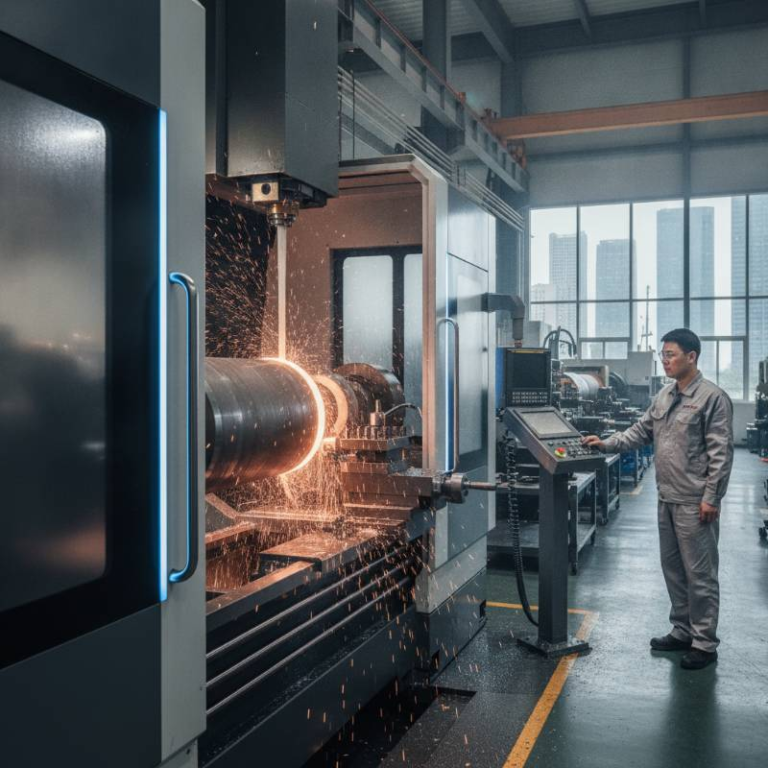
Our facility utilizes multi-axis turning centers to transform raw aluminum stock into high-performance components. Whether you require lightweight turning for aerospace or high-volume anodized turned parts for consumer electronics, our process prioritizes dimensional stability and surface metrology.
What is Precision Aluminum CNC Turning?
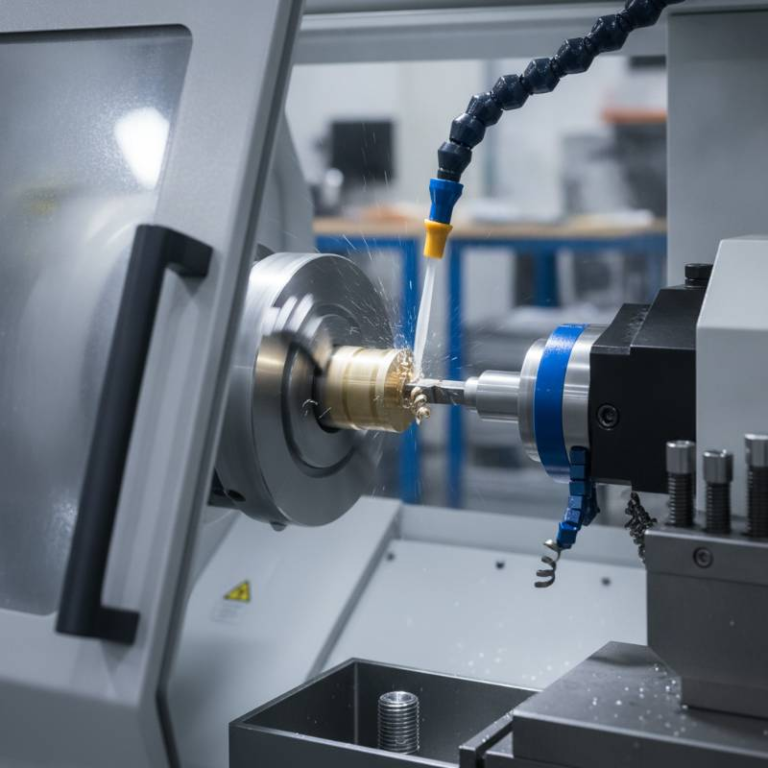
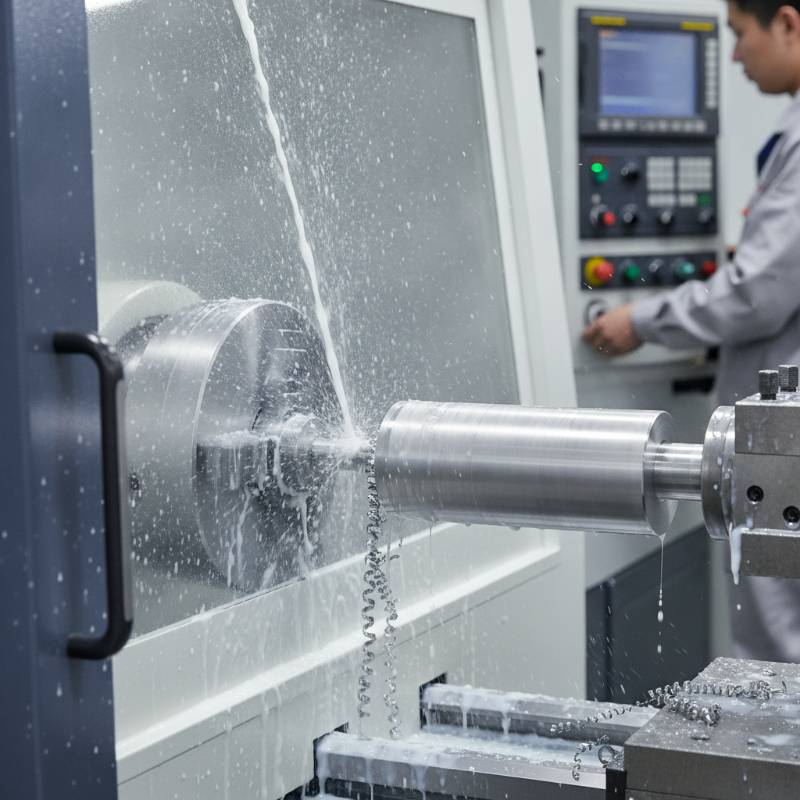
Precision aluminum CNC turning is a subtractive manufacturing process where a stationary cutting tool shapes a rotating aluminum workpiece. This method is the gold standard for creating cylindrical components with tight dimensional tolerances and exceptional surface roughness Ra values.
“CNC turning involves the use of Computer Numerical Control to automate the movement of a lathe. In aluminum applications, this allows for high-speed material removal while maintaining the integrity of the alloy’s microstructure.”
By leveraging advanced CNC lathe machining, we achieve accuracies that manual processes simply cannot replicate. This is particularly vital when working with aluminum alloy grades that exhibit different thermal expansion rates during high-speed rotation.
Material Excellence: AL6061 vs. AL7075 and Beyond
Choosing the right alloy is the most critical step in your procurement journey. Our Material Selection Guide helps engineers navigate the trade-offs between machinability, strength, and corrosion resistance.
AL6061 turned parts are the industry workhorse. Known for excellent weldability and medium strength, 6061 is the go-to for structural components. Conversely, AL7075 precision machining is reserved for high-stress environments like aerospace and defense, where its high zinc content provides a strength profile comparable to many steels.
| Alloy Grade | Machinability Index | Primary Benefit | Common Use |
|---|---|---|---|
| 6061-T6 | High | Corrosion Resistance | General Engineering |
| 7075-T6 | Fair | Extreme Strength | Aerospace Gears |
| 2024-T3 | High | Fatigue Resistance | Aircraft Fittings |
For specialized applications, we also process MIC-6 for its superior flatness and 2024-T3 for components requiring high fatigue strength. You can explore more in our Material Selection Guide.
The Alu-Sync™ Precision Protocol: Our Proprietary QA Framework
Standard quality control often fails to catch micro-vibrations that compromise surface roughness Ra. To solve this, we developed the Alu-Sync™ Precision Protocol.
This methodology fuses AI-driven toolpath optimization with the seasoned intuition of our master machinists. By analyzing spindle-time data in real-world scenarios, we minimize tool deflection and heat buildup before the first cut is even made.
Expert Quote: “Precision in 2026 isn’t just about hitting a number on a print; it’s about managing the thermal behavior of the alloy in real-time. Our Alu-Sync™ framework allows us to predict material expansion during high-speed CNC Machining Services, ensuring every part fits perfectly the first time.”
— Marcus Thorne, Lead CNC Machinist
Our facility maintains strict ISO 9001:2015 compliance, providing full Material Traceability Documentation for every lot.
Advanced Surface Finishing and Anodizing
A turned part is rarely finished when it leaves the lathe. Surface Finishing Options are essential for both aesthetics and functional durability. Aluminum is particularly receptive to the anodizing process, which creates a protective oxide layer that is integrated with the substrate.
We offer several post-processing tiers:
- Hard Coat Anodizing: Provides extreme wear resistance for industrial components.
- Bead Blasting Finish: Removes tool marks to create a uniform, matte texture.
- Chemical Film (Chromate Coating): Enhances corrosion resistance while maintaining electrical conductivity.
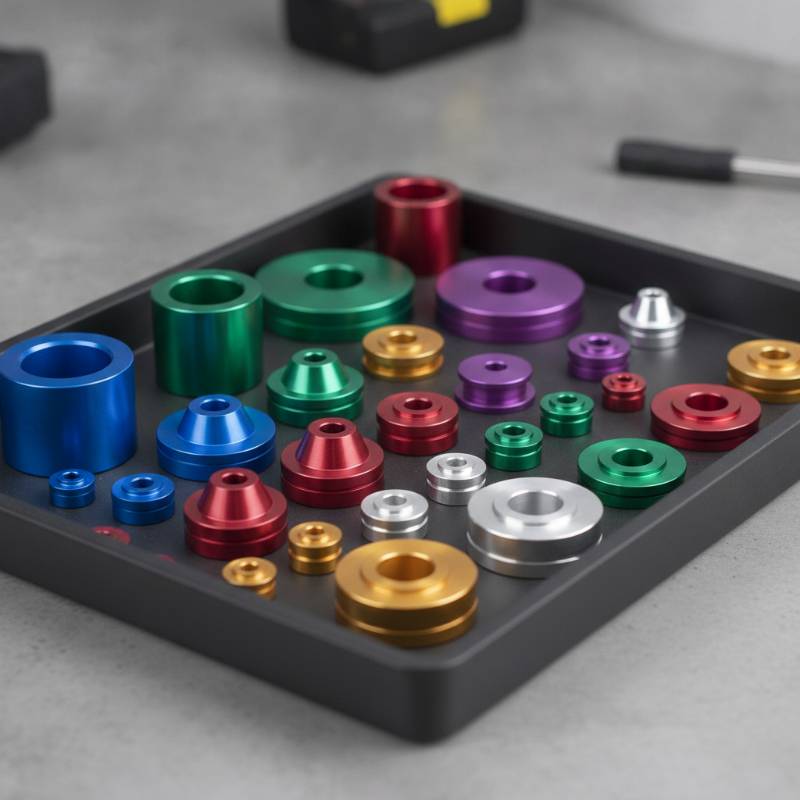
For more details on specific coatings, visit our Surface Finishing Options page.
Solving Engineering Challenges: Thin-Wall Integrity and Tolerances
One of the most difficult tasks in aluminum CNC turning is maintaining thin-wall integrity. Aluminum’s high thermal conductivity can lead to distortion if heat isn’t managed correctly during rapid prototyping.
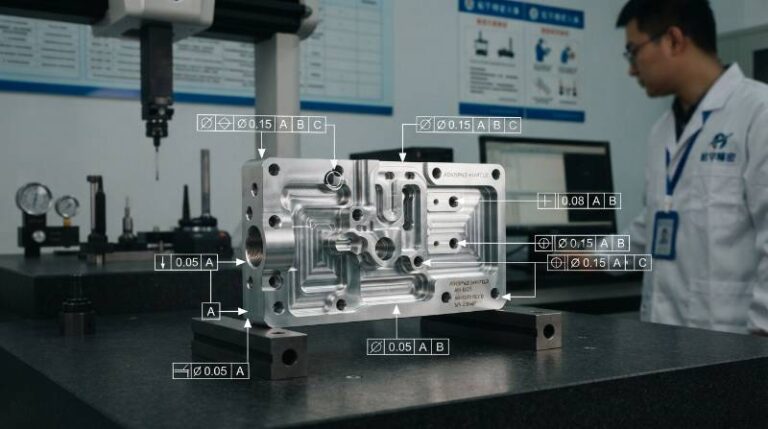
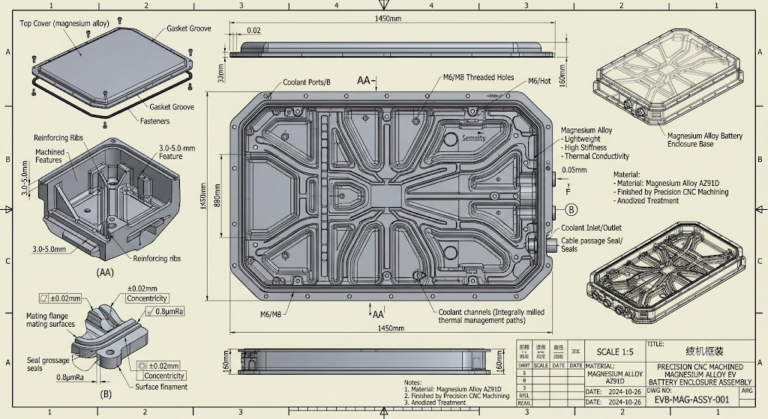
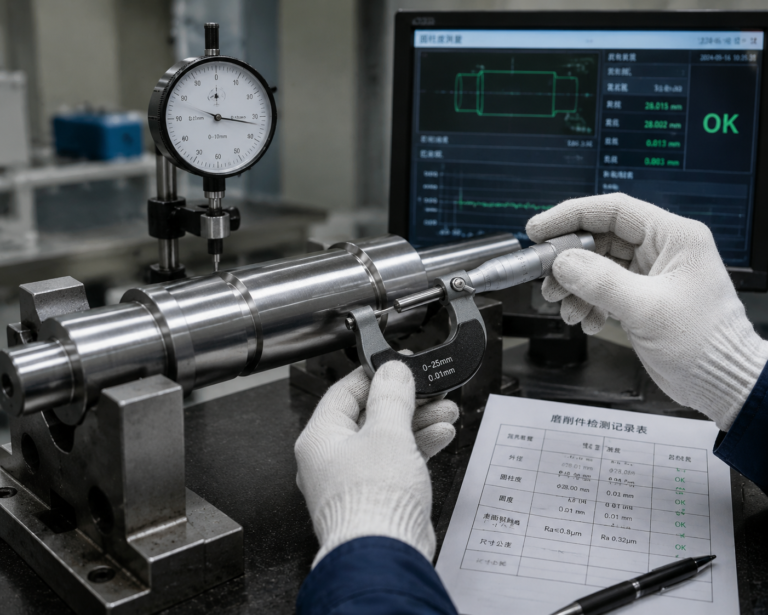
Our approach involves specialized work-holding fixtures and staggered toolpaths to distribute mechanical stress. We routinely achieve micron-level tolerances and verify them using CMM inspection and Geometric Dimensioning and Tolerancing (GD&T) standards.
Our core CNC Machining Services are built to handle these complexities, ensuring that even the most delicate aerospace components meet strict safety requirements.
Sustainable Machining: Carbon-Footprint-Per-Part Metrics
In 2026, “efficiency” includes environmental impact. Aluminum is 100% recyclable, and our facility operates a closed-loop recycling program for all chips and scrap. We provide a Sustainability Methodology Report for our B2B partners, detailing the energy usage and recycled content of their orders.
Case Study: Spindle-Time Efficiency
By optimizing toolpaths for a recent aerospace client, we reduced spindle idle time by 14%, resulting in a 9% decrease in the carbon footprint per part without sacrificing surface metrology.
We believe green manufacturing is not just a trend but a technical requirement for modern supply chains. For more on how we optimize these processes, consult ISO International Standards.
Frequently Asked Questions About Aluminum Turning
What are the typical lead times for custom aluminum parts?
For standard rapid prototyping, we typically deliver within 3-5 business days. Full production runs depend on volume and finishing requirements, usually ranging from 2-4 weeks.
Do you provide DFM feedback?
Yes. Every quote includes a Design for Manufacturing (DFM) analysis. We look for ways to reduce cost by suggesting standard tool sizes or optimizing geometries for the CNC turning process.
What tolerances can you hold on aluminum?
We standardly hold +/- 0.001” (0.025mm). For critical features, we can achieve +/- 0.0002” (0.005mm) depending on the part geometry and material grade. You can find more technical data on material properties at MatWeb.